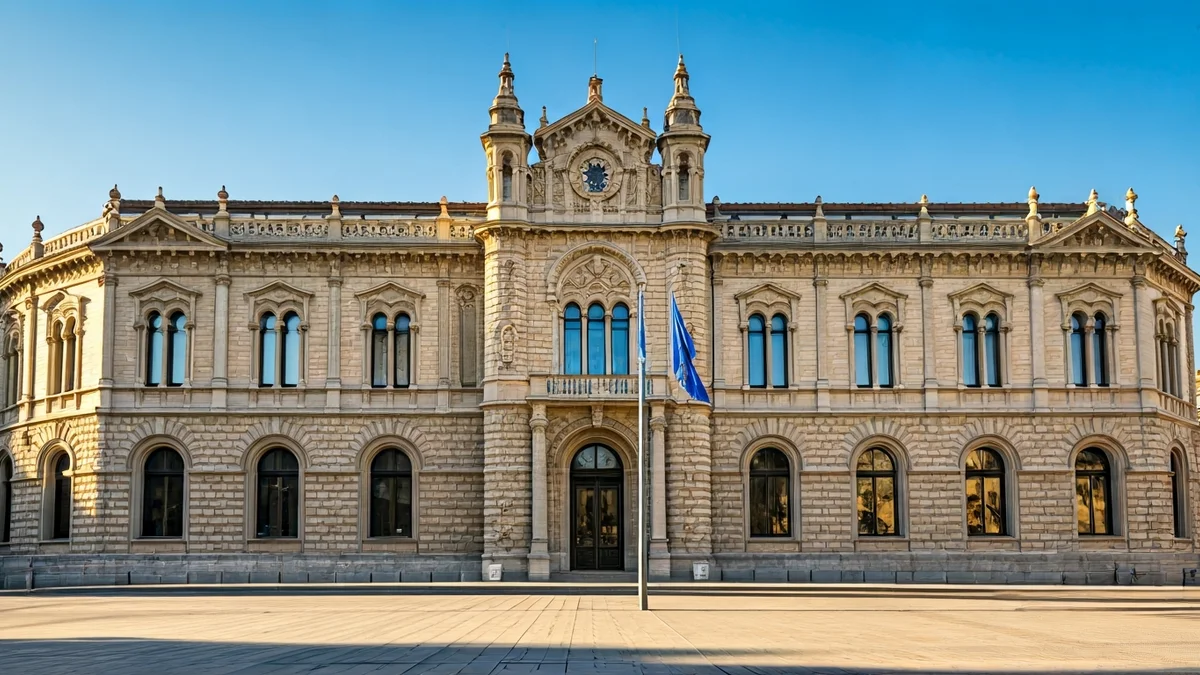
The capacity of the current 18th-century palace, home to the Parliament, has reached its limit. This new project, expected to materialize in a decade, will provide the Catalan legislature with more space for its activities, which have grown significantly with an increase in officials, parliamentary groups, and public engagement initiatives.
“"On a plenary day, there can be between 700 and 800 people. We have reached the limit."
The signed protocol, which also includes President Salvador Illa, stipulates that the Parliament, in coordination with the City Council, will issue a public tender to draft the expansion project. The Urban Guard stables, located 300 meters from the chamber, will be relocated to Montjuïc.
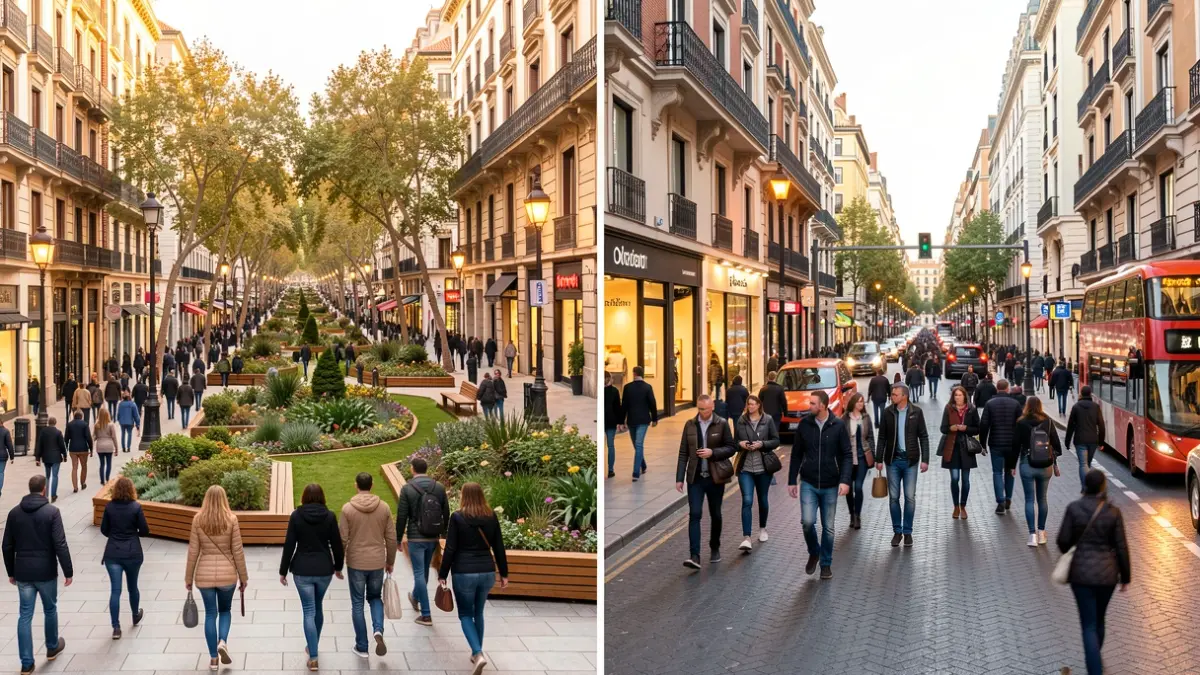
This decision is part of a broader reorganization of the Ciutadella Park. The City Council plans to eliminate the parking area for deputies and visitors in front of the building and open a passage between Wellington Street and Picasso Promenade, currently blocked by the Barcelona Zoo wall. A promenade connecting to the Olympic Village is also pending.
The old arsenal of the Ciutadella fortress was adapted as the seat of the Parliament in 1980, following several renovations, the most significant in 2004. The need for space has been constant ever since. In 2006, an initial expansion agreement with then-president Pasqual Maragall and parliamentary leaders Ernest Benach and city council leader Joan Clos, which envisioned relocating the Zoo, failed due to the 2008 crisis.
In the last legislature, discussions resumed, exploring various options such as a plot at the end of Lluís Companys Promenade or buildings of the Pompeu Fabra University. Finally, the stables option, which served as the machinery gallery for the 1888 Universal Exposition, was chosen. The Parliament expects to gain approximately 13,000 square meters, with 10,000 above ground and 3,000 below ground, where deputies' parking could be located.