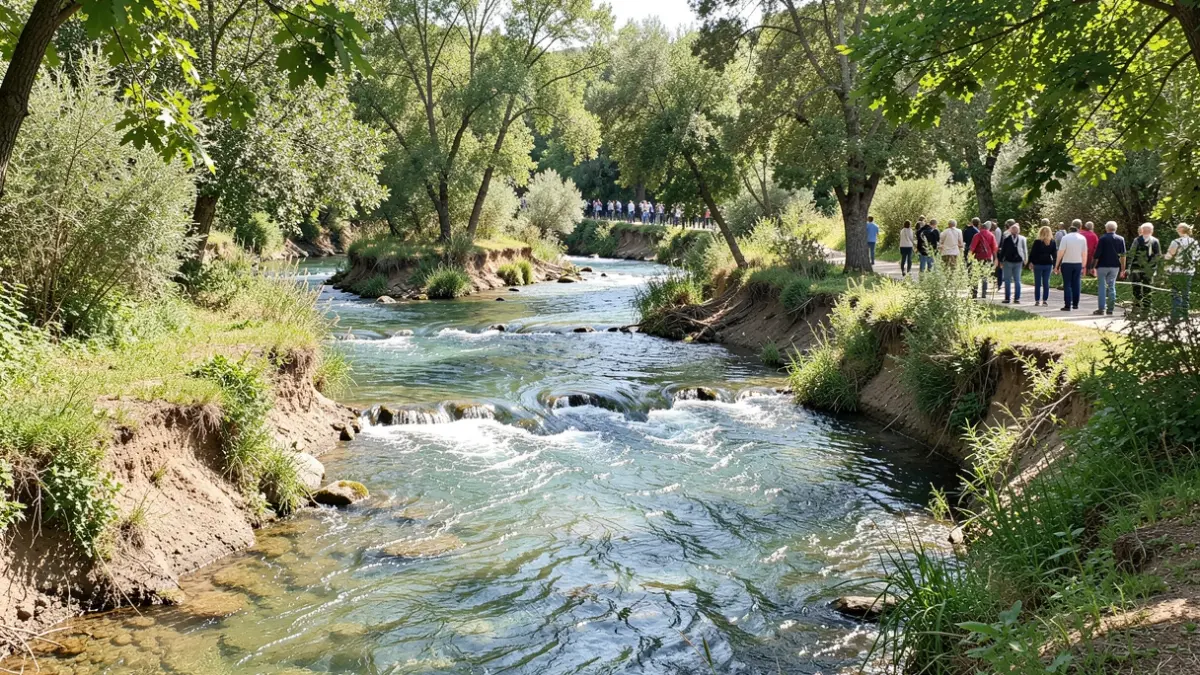
The plan will define the necessary actions for the conservation and integral management of the basin, a river area of high ecological value. This planning instrument must comprehensively order conservation, restoration, and public use actions, considering the coexistence of social use, agricultural activity, urban planning, and unique, fragile aquatic ecosystems.
The document will address challenges such as the water regime, water quality, biodiversity conservation—including emblematic species like the red-tailed barbel—land use, public use pressure, and coordination among the involved administrations. The goal is to create a shared reference document with a concrete and prioritized action program.
The plan's drafting is structured in several phases. The initial information gathering and technical diagnosis have been completed and will now be cross-referenced with territorial stakeholders. With the start of the participation phase, the path towards defining the action program is being built.
On September 14th, the Plan's Monitoring Commission was established, comprising administrations, stewardship and conservation entities, and the Natural Park's scientific advisory council. This commission will oversee the drafting process and remain active during the plan's implementation.
The participatory process is essential. Throughout the autumn, working sessions with the Monitoring Commission and other stakeholders are planned, along with interviews with experts, to validate the diagnosis and gather proposals. Additionally, an online participation space has been created on the Consortium's website with an open form for everyone to contribute.
This Friday, October 23rd, the first in-person participation session will take place, where territorial entities and Commission members will work to update issues, finalize the diagnosis, and prioritize measures. After the participatory process concludes at the end of November, the drafting team will work on the final document, to be presented in the first quarter of 2027.