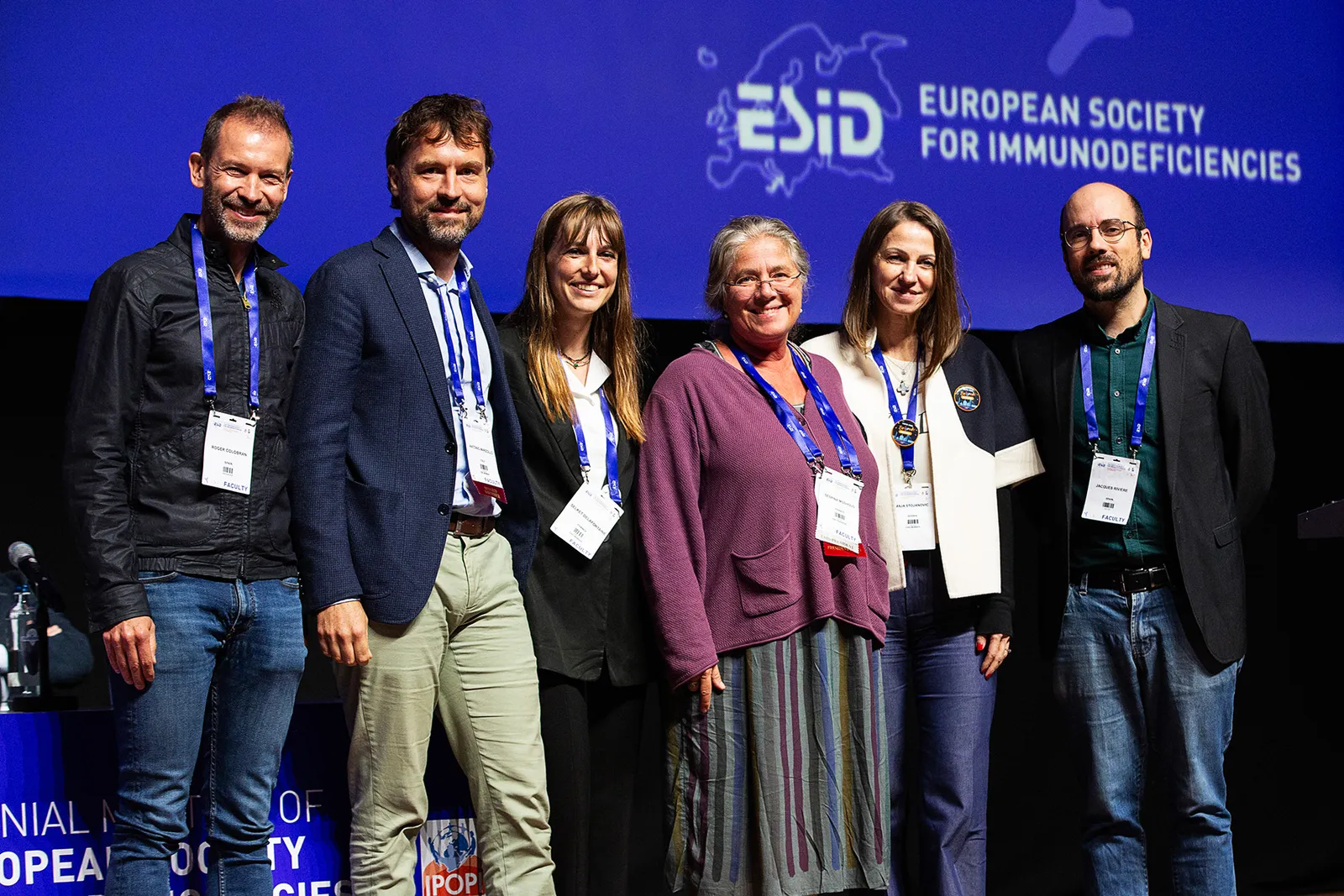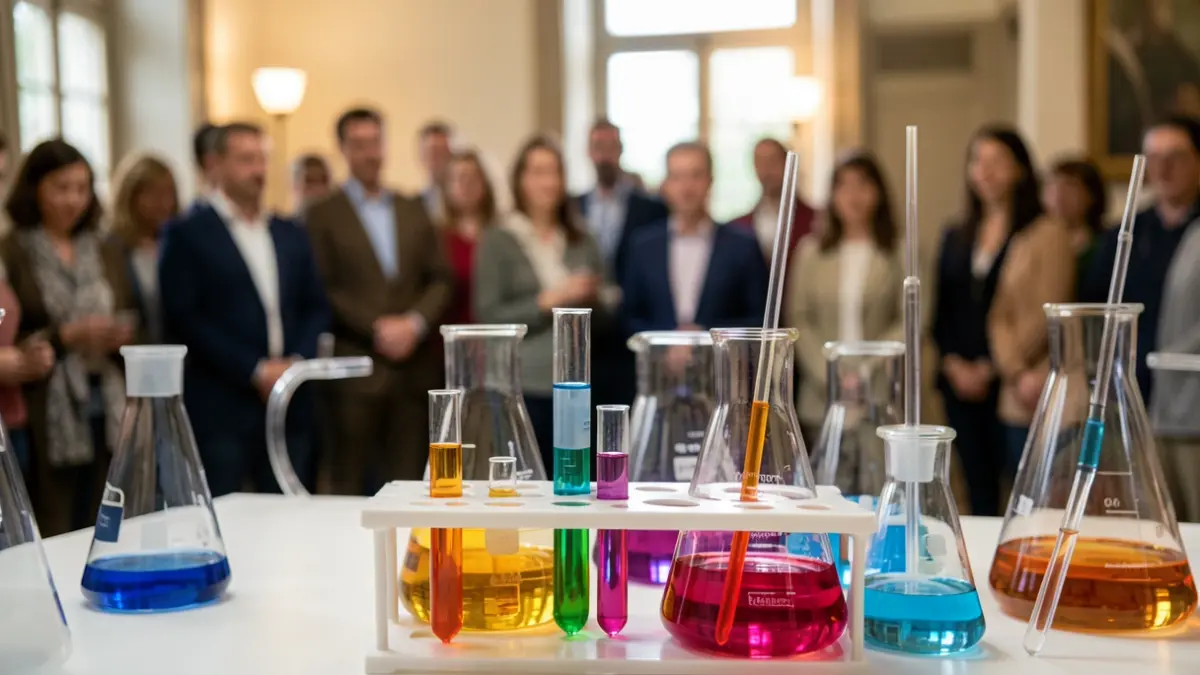
The Spanish National Research Council (CSIC) is commemorating the 10th anniversary of its science outreach project 'Science in the Neighborhood', which brings science to vulnerable neighborhoods in major cities such as Madrid, Barcelona, and Sevilla. To celebrate this decade, the project brought together teachers from its network of centers in a simultaneous event where experiences, needs, and new proposals were shared.
Pura Fernández, Deputy Vice President for Scientific Culture and Citizen Science at the CSIC, highlighted the importance of teachers: "'Science in the Neighborhood' is a network composed of centers of diverse natures, but most are Secondary Education Institutes (IES) where the work of teachers is indispensable for the project." She added that "without the collaboration of teachers, these 10 years would not have been possible; that's why we felt it was necessary to organize, for the first time, an activity aimed at teachers".
During the event, the rebranding of 'Science in the Neighborhood' was presented. It maintains the green and purple colors but adopts new brackets that highlight science and the neighborhood, emphasizing the relationship between knowledge and context. The website cienciaenelbarrio.es has also updated its visual identity and sections.
Coinciding with the anniversary, the documentary series ¿Hablamos? has been launched, filmed in April and scheduled for release in 2027. This series gives a voice to young people from IES participating in the project, who converse with CSIC researchers on topics such as artificial intelligence, racism, or the Universe.
The event included scientific experiences in each city: in Madrid, a visit to the National Museum of Natural Sciences (MNCN-CSIC) and a theatrical performance about the scientist Dorotea Barnés; in Sevilla, a visit to the Casa de la Ciencia and a scientific olive oil tasting led by Javier Sánchez Perona (IG-CSIC); and in Barcelona, the talk Death in El Raval by Alfons Zarzoso (IMF-CSIC).
'Science in the Neighborhood' began in 2016 in six IES in Madrid and has now consolidated in 50 centers, including adult education centers, senior centers, hospital schools, and schools in Barcelona and Seville. Over these 10 years, more than 1,000 outreach activities have been developed, reaching over 72,500 people.