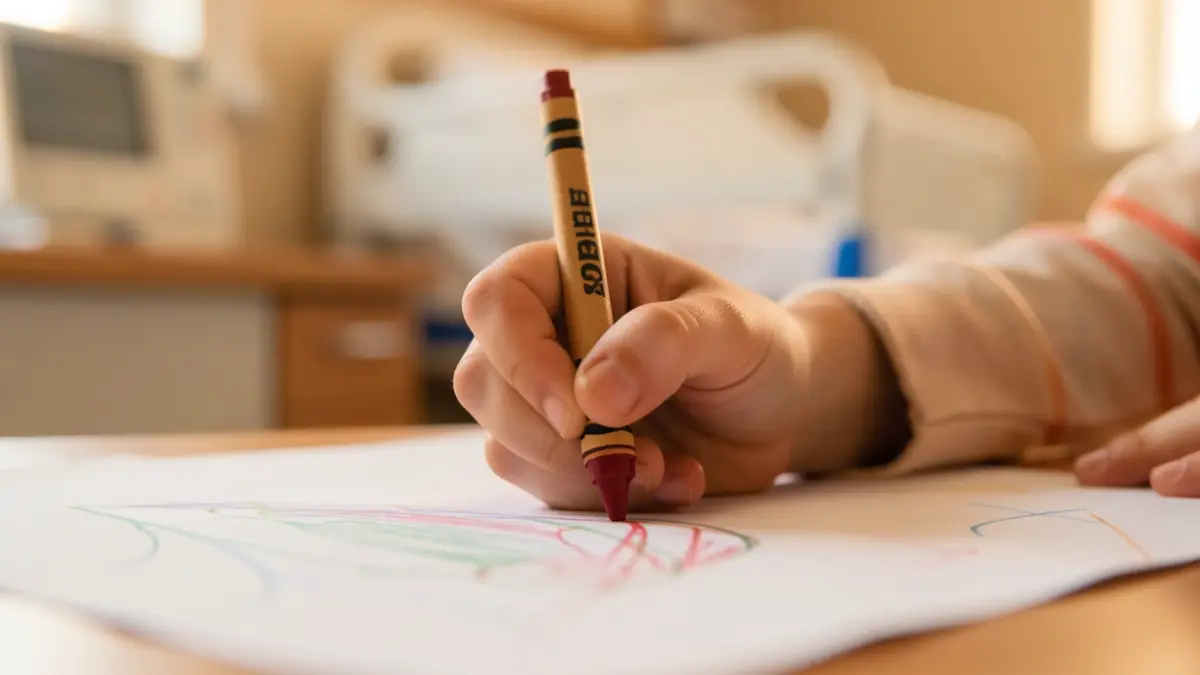
The Day Hospital at Barcelona's Clínic functions as a transitional resource for children and adolescents who have experienced severe mental health decompensation. This center, part of the Pediatric and Adolescent Psychiatry and Psychology Section, offers specialized care before young individuals can fully resume their normal lives.
The multidisciplinary team includes psychiatrists, clinical psychologists, mental health specialist nurses, educators, social workers, and educational professionals. The role of educational counselor, such as Mariló Noró, is crucial for linking students' learning and their educational center, considering it an essential therapeutic factor.
According to Astrid Morer, head of the Pediatric and Adolescent Psychiatry and Psychology Section, the center provides an "intensive therapeutic resource" with a maximum stay of six months, designed to help young people "return to the life they had before the crisis" and, in some cases, prevent full hospitalization.
The Day Hospital serves children aged 6 to 12, acting as a reference center in Barcelona, and adolescents aged 12 to 18. It offers general programs for severe emotional problems, specific programs for autism spectrum disorders, and for eating disorders, each with a hospital classroom teacher.
Mental health decompensation often impacts school performance, leading to absences, learning difficulties, and disengagement. "It is common for more than 50% of the boys and girls to have felt disconnected from school, experienced academic failure, or lost schooling for a long time," notes Morer. Therefore, a primary objective is to re-establish educational connection.
The integration of the teacher into the care team is a unique feature of the center. They participate in case follow-up meetings and share information to adapt interventions. "The teacher is integrated within the clinical team," emphasizes Morer, thus connecting the clinical and educational realities.
The classroom becomes a space to regain routines, take on challenges, and reconnect with aspects of identity beyond illness. Coordination with the students' original educational centers is constant, involving contact with tutors, management teams, and Psychopedagogical Counseling and Guidance Teams (EAP) to prepare for school reintegration.
Progress in treatment becomes visible in the classroom, with improvements in participation, concentration, and study habits. Elías Guillén, from mental health nursing, highlights the importance of creating "safe environments" for effective treatment.
The educational perspective provides an indispensable dimension, helping children and adolescents regain the highest possible level of functioning in all areas of their lives. "It is a privilege to have this space and, at the same time, to work in a multidisciplinary team," concludes Noró.