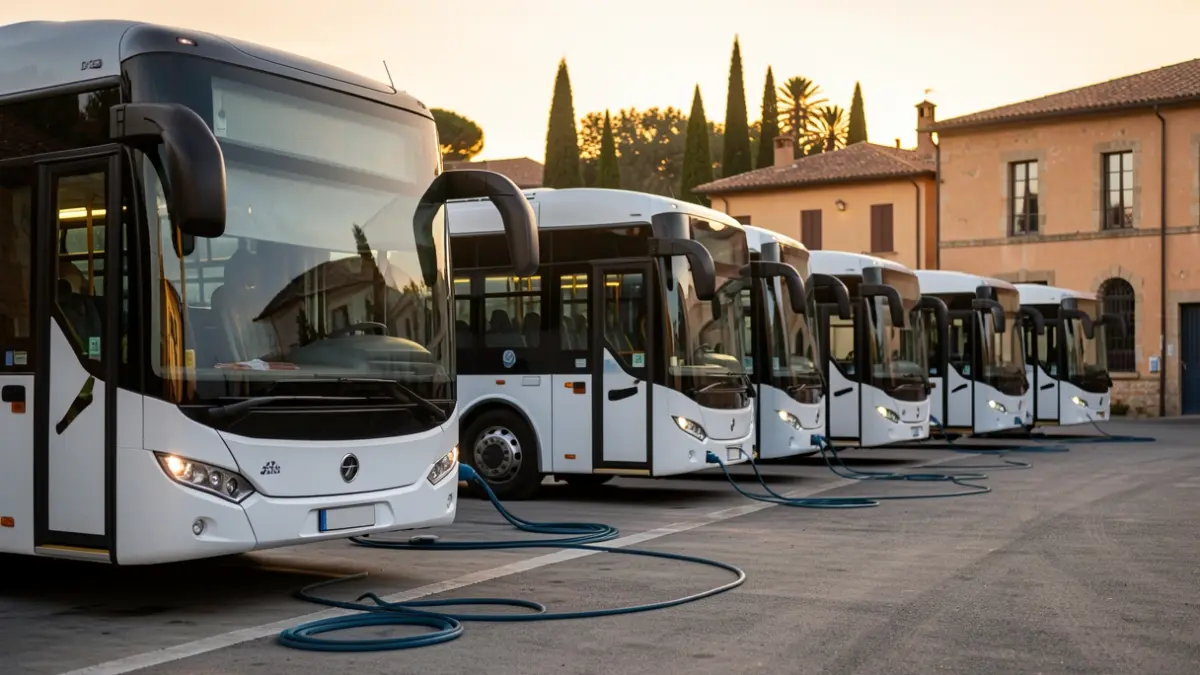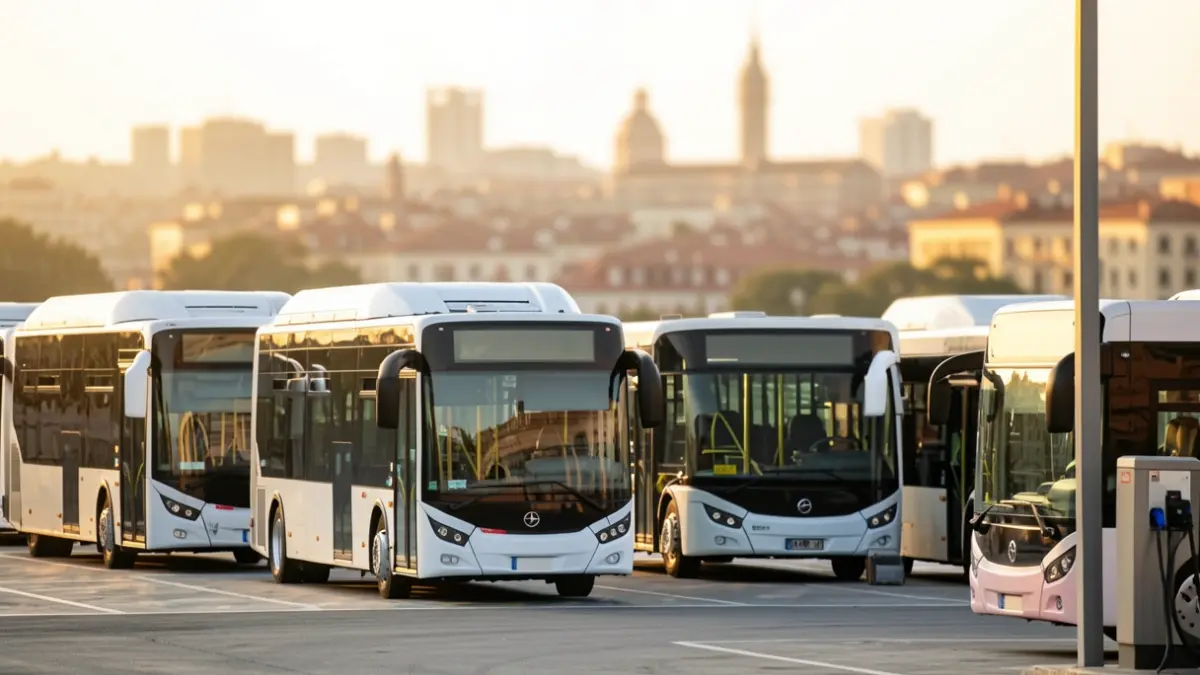
The analysis, commissioned by Transports Metropolitans de Barcelona (TMB), compares the total cost of ownership and operation for a fully electric fleet against renewing with conventional vehicles. The estimated cost for an electric fleet is €794.4 million, compared to €826.9 million for conventional. Factoring in potential revenue from energy saving certificates (CAE) reduces the net cost of electrification to €760.4 million.
The projected savings are divided into two components: €32.5 million from a lower total cost of ownership than renewing with diesel, gas, and hybrid vehicles, and around €34 million from potential revenue from energy saving certificates. These certificates can be sold to energy suppliers under the Spanish scheme.
The initial investment in electric vehicles is estimated at €442.1 million, versus €268.2 million for conventional renewal. Infrastructure investment would rise from €5.9 million to €73 million. However, fleet operation and maintenance costs are projected to fall from €547.5 million to €249.3 million over the same 15 years.
For these estimates, CIMNE researchers analysed data from TMB on vehicle and infrastructure costs, energy consumption and prices, mileage, and historical maintenance expenditures. They also interviewed technical staff and visited bus depots. The study includes upgrades to the Horta and Zona Franca depots.
Electrifying the fleet also projects annual reductions of over 58,000 tonnes of carbon dioxide (CO₂), 91.7 tonnes of nitrogen oxides (NOₓ), and 594.2 kilograms of particulate emissions. The climate and air quality impact is estimated at an additional €81 million in social benefits.
Researchers note that financial savings depend on several conditions, including near one-for-one replacement of conventional buses with electric models, ensuring sufficient daily range with overnight charging, and securing manufacturer battery warranties. The study concludes that electrification is economically viable under specific operational and procurement conditions.
CIMNE's CENIT unit focuses on research in transport economics, mobility, logistics, and sustainability, working on public transport optimisation, traveller behaviour, electromobility, and urban freight distribution.