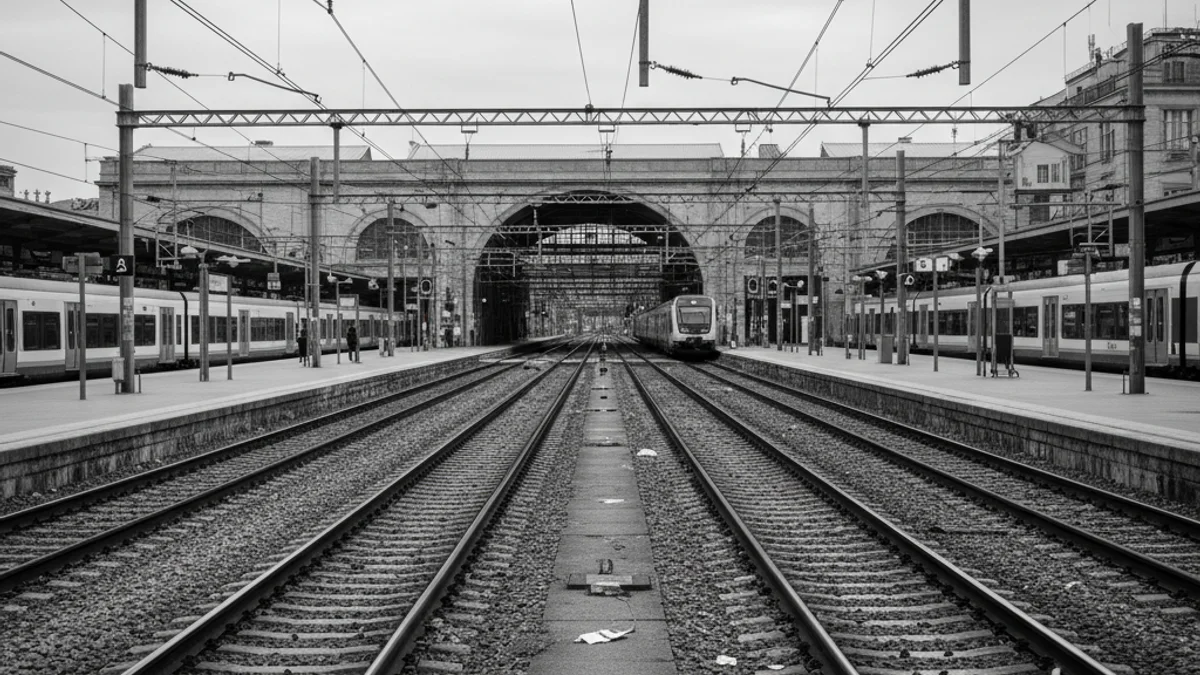
The Rodalies service in Catalonia will partially resume this Monday, January 26, 2026, following an unprecedented transport crisis triggered by the accident in Gelida. Lines R-1, R-2, and R-4 will be operational, expected to serve about 80% of the network's 400,000 daily passengers. Furthermore, the service will be free for one month as a compensatory measure.
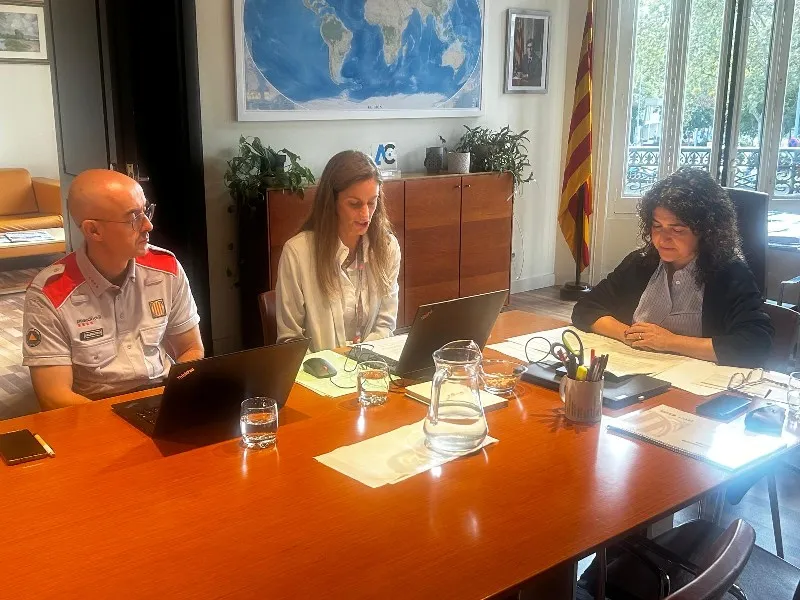
The Secretary of State for Transport, José Antonio Santano, and Minister Sílvia Paneque held a joint press conference to detail the actions taken. Adif inspected 69 high and medium-risk points on the railway network, carrying out emergency work on 23 of them. Crucial interventions included stabilizing the Garraf tunnel and reinforcing the seawall near Badalona, essential for service continuity in the Barcelona area.
“"We have to reflect. The problems of lack of coordination cannot happen again."
To ensure safety, Adif signed an agreement with the train drivers' union, Semaf, who had previously refused to work citing safety concerns. This protocol mandates that the operational status of the tracks must be certified by Renfe Viajeros and a neutral technician. The Catalan Government will also deploy 160 free buses to cover closed sections and four Avant trains for the Lleida-Barcelona route.
The crisis has generated significant political friction. Oriol Junqueras, leader of ERC, publicly demanded Minister Paneque's resignation, accusing her of failing to highlight the lack of investment. Paneque, while expressing relief at the reopening, acknowledged potential “disruptions” and insisted that the infrastructure is “very old and suffering from many years of abandonment.”