The issue of the Catalan language remains a central point in public debate, often generating repetitive discussions without satisfactory conclusions. Despite voices advocating for Catalan's resilience, many perceive a tendency towards self-sabotage that favors the language's detractors.
In this context, a re-reading of Avel·lí Artís-Gener's memoirs, known as Tísner, titled Viure per veure (Ed. Pòrtic, 1996), highlights an example that the writer described as 'botiflerisme'. This refers to the so-called 'Plenary of No to Catalan' in the Barcelona City Council in 1975.
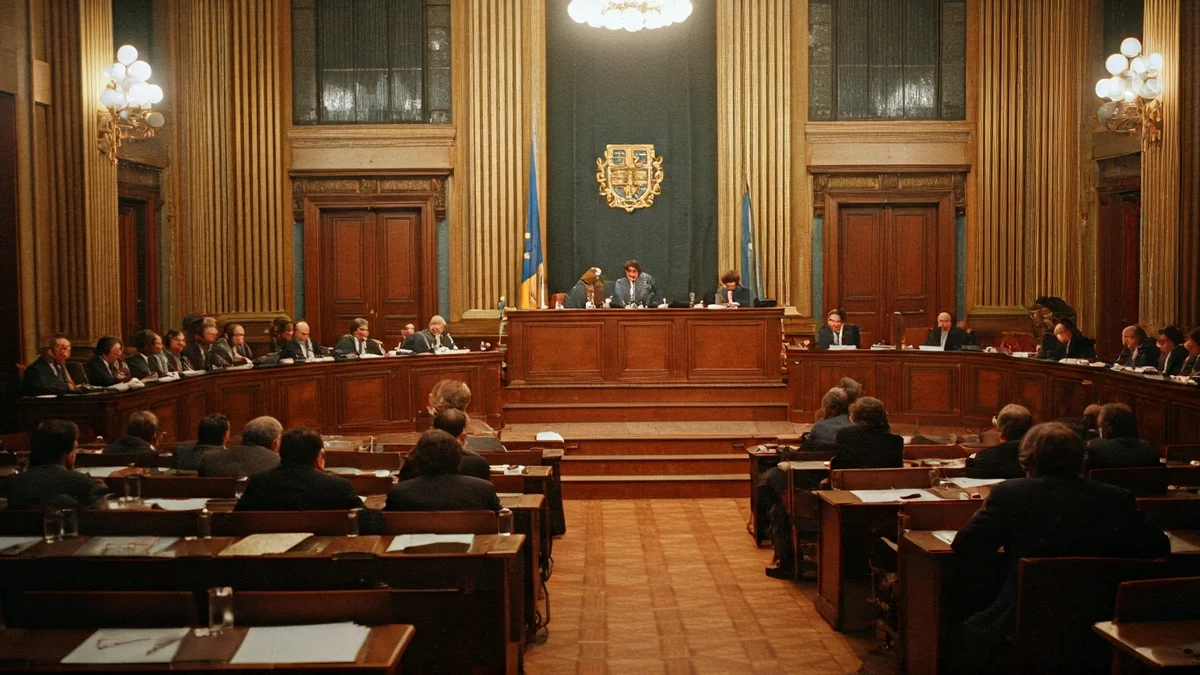
During that session, councilor Jacinto Soler Padró presented a proposal to allocate ten million pesetas to Catalan language courses. Although mayor and jurist Porcioles had established a municipal mechanism to approve aid for Catalan through Article 26, the proposal was brought to the plenary. There, it was rejected by members of the 'tercio sindical y familiar' who occupied the Queen Regent's Hall.
Among the eighteen votes against, was that of Mercedes Carbó, popularly known as the 'mamá del millón' for her participation in the television program Un millón para el mejor. These votes, cast by Catalans, opted for the continuation of the only language that dominated institutions at that time, an act that the memoir's author points out as 'botiflerisme' that, with different actors, persists today.