The tender for the new contract, which will be effective in the coming days, is valued at 188 million euros, with an additional 20 million allocated for complementary services. This commitment, extending until June 30, 2031, forecasts over one million service hours annually and an increase in the workforce, rising from the current 650 operators to a total of 800 people.
“"the importance of guaranteeing an adequate cleaning and hygiene service for the growing user demand"
The investment increase is justified by the rise in passenger numbers, as TMB closed 2025 with a record number of travelers, exceeding 700 million total validations. The metro network alone registered 479.9 million validations, with a daily average of about 1.6 million people.
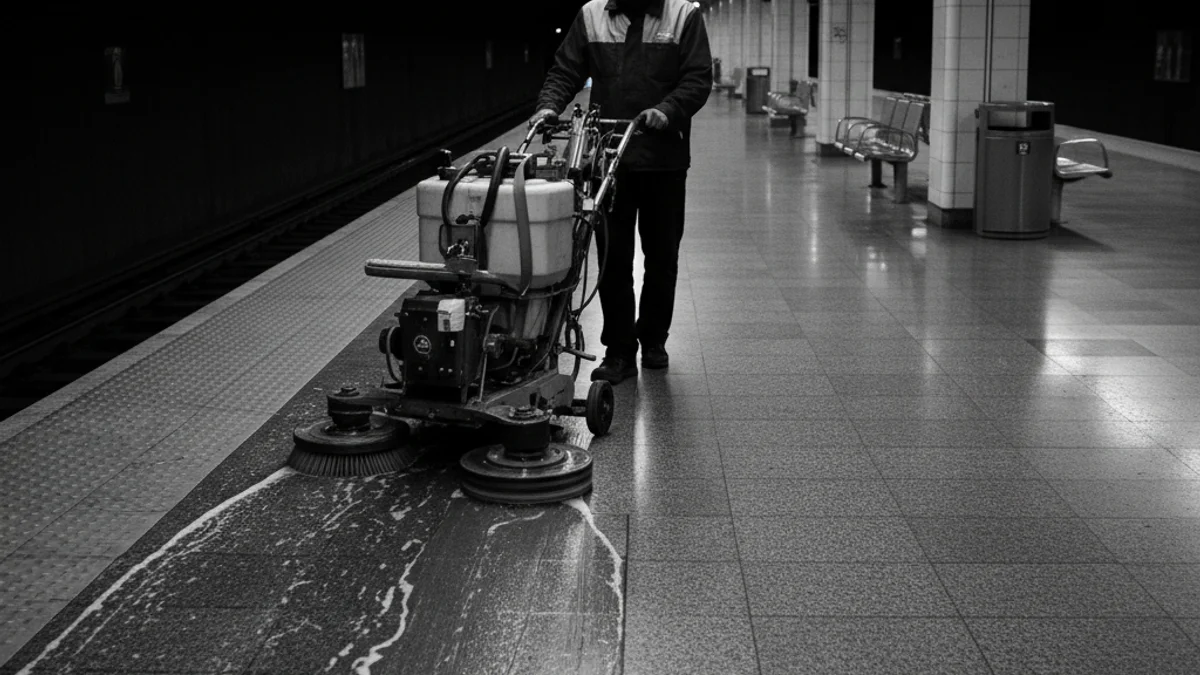
The new terms and conditions include sustainability criteria, such as the reduction of chemical products and the incorporation of advanced technology. A minimum of 156 scrubbing machines will be required, including 16 autonomous robots, which will allow saving over 2.7 million liters of water annually due to an 80% reduction in consumption.
In addition to daily maintenance cleaning, which is mainly carried out overnight, the contract demands much deeper cleaning than the previous one, including stripping, floor waxing, and cleaning hard-to-reach elements like ceilings and corners. Surface protection will also be renewed to facilitate the removal of graffiti, a problem that affected more than 350 metro cars last year.