Barcelona is a city where art is part of the everyday landscape. Beyond museums and galleries, streets, facades, and old industrial spaces have also become stages for contemporary creativity. Graffiti, murals, and other forms of urban art have gained presence in the city and are now part of its cultural identity. To discover this scene beyond street interventions, the BAS Museum, located in the heart of the Gothic Quarter, also offers a space dedicated to learning about urban art and some of its most prominent artists.
El Raval: murals and creativity in the streets
El Raval is one of Barcelona's neighborhoods where urban culture can be most easily discovered. Its streets have been a meeting point for artists, creators, and different cultural movements for years, and it is still possible to find murals, artistic interventions, and other displays of urban creativity.
Strolling through the neighborhood allows you to observe how contemporary art coexists with architecture marked by Barcelona's history. Furthermore, its proximity to other cultural spaces in Ciutat Vella makes it a particularly interesting area for those who want to dedicate a day to discovering the city's contemporary culture.
Strolling through the neighborhood allows you to observe how contemporary art coexists with architecture marked by Barcelona's history. Furthermore, its proximity to other cultural spaces in Ciutat Vella makes it a particularly interesting area for those who want to dedicate a day to discovering the city's contemporary culture.
Poblenou: urban art in a former industrial landscape
If there is one neighborhood particularly associated with Barcelona's urban transformation, it is Poblenou. Its industrial past has left behind architecture and spaces that have been reinterpreted by artists and creators.
The old factories, warehouses, and walls of the neighborhood have served as a canvas for murals and artistic projects, while Poblenou's consolidation as a creative district has fostered the presence of studios, galleries, and initiatives linked to contemporary art.
The result is a unique combination of industrial heritage and current artistic expressions, making the neighborhood one of the key points to consider when understanding the evolution of urban art in Barcelona.
The Gothic Quarter: urban art amidst medieval streets
The contrast between urban art and historical architecture is particularly evident in the Gothic Quarter. Its narrow streets and centuries-old buildings form an unexpected backdrop for contemporary artistic expressions.
Beyond seeking large murals, walking through the neighborhood allows you to discover small interventions and various forms of art that appear integrated into the urban space. This coexistence of past and present is precisely one of the features that make Ciutat Vella one of the most interesting areas for exploring Barcelona's culture.
Beyond seeking large murals, walking through the neighborhood allows you to discover small interventions and various forms of art that appear integrated into the urban space. This coexistence of past and present is precisely one of the features that make Ciutat Vella one of the most interesting areas for exploring Barcelona's culture.
Sant Andreu and other neighborhoods to discover murals
Barcelona's urban art is not limited to the city center. Other neighborhoods, such as Sant Andreu, have also developed their own scene related to murals and urban culture.
In recent years, various artistic projects have contributed to transforming previously unnoticed walls and spaces. These types of interventions can turn a simple walk through the neighborhood into a different way of getting to know the city.
Therefore, if the goal is to discover urban art in Barcelona, it is worth venturing beyond the most touristy areas and also exploring neighborhoods where creativity is part of daily life.
Museums and spaces dedicated to urban art
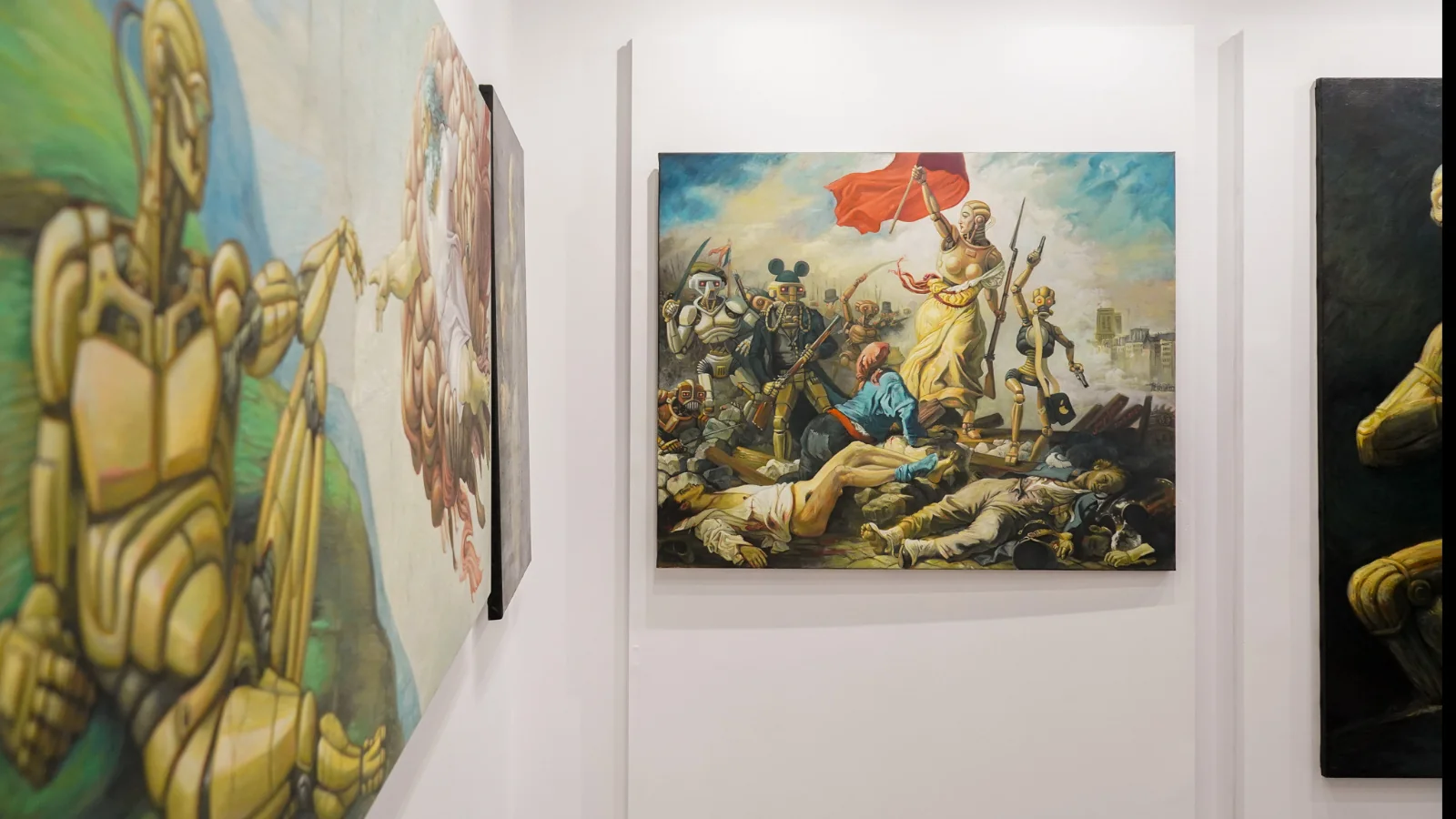
One of the major transformations of urban art has been its move from the streets to other cultural spaces. Works that were initially conceived for public spaces have begun to be part of exhibitions, collections, and museums.
In Barcelona, this evolution allows for an approach to urban art from a different perspective. Instead of encountering a work by chance while walking through the city, visitors can learn about the artists, their styles, and the context in which they develop their work.
Specialized spaces like the BAS Museum contribute precisely to valuing this discipline and bringing it closer to both visitors and the local public.
Urban artists who have left their mark on Barcelona
The history of Barcelona's urban art cannot be understood without the artists who have contributed to giving it visibility and personality. Some creators have developed a career directly linked to the streets of Barcelona, while others have projected their work internationally.
Names such as Escif, Aryz, Dulk, Okuda San Miguel, Felipe Pantone, Vhils, Bordalo II, or PichiAvo, among many others, show the extent to which contemporary urban art has evolved in recent decades.
Their works also demonstrate that this type of art goes far beyond traditional graffiti. Mural painting, installations, sculpture, digital art, and other disciplines coexist within an increasingly diverse movement.
Another way to discover Barcelona
Discovering urban art is, ultimately, another way of looking at Barcelona. A mural can tell part of a neighborhood's history, transform a facade, or turn an everyday space into a landmark.
Therefore, combining a tour of the city's streets with a visit to cultural spaces dedicated to contemporary art provides a more complete view of Barcelona's artistic scene.
From El Raval to Poblenou, through the Gothic Quarter and other city neighborhoods, Barcelona offers many opportunities to discover how artists have turned urban spaces into places for creation, experimentation, and communication.