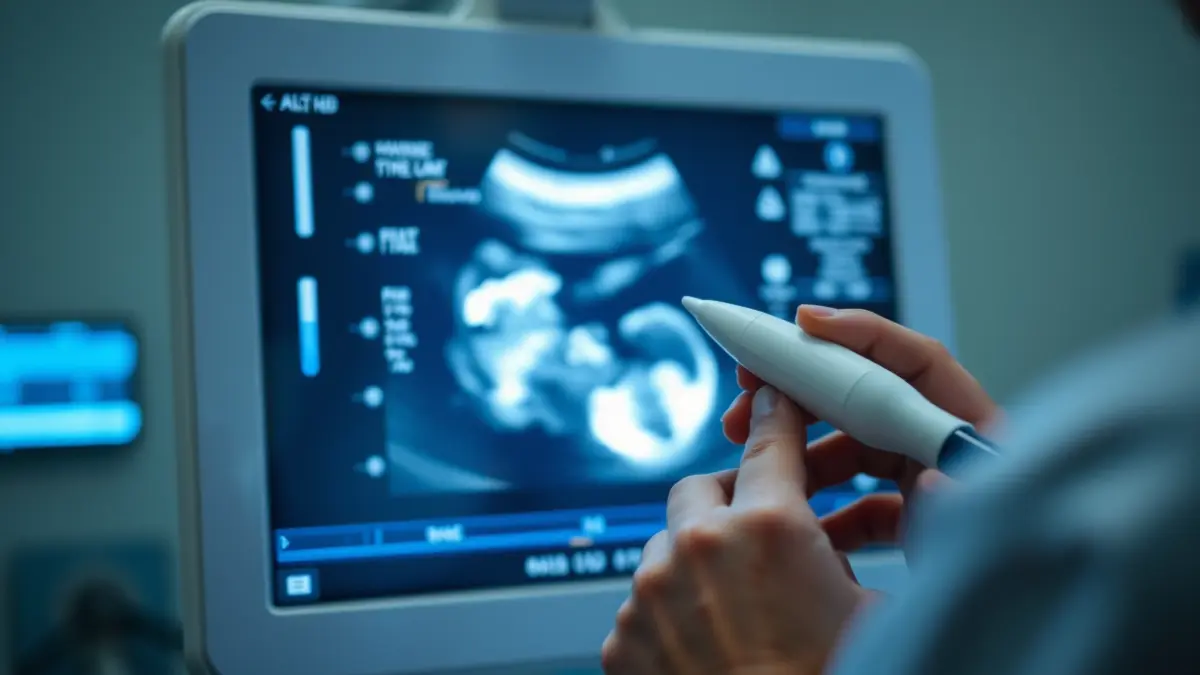
This specialist, who started his medical studies in the seventies, found his calling in obstetrics after witnessing a fetal ultrasound. The sight of a moving fetus sparked numerous questions about its growth, diseases, and the possibility of diagnosing and intervening in pregnancy issues.
One of his most significant achievements was the introduction of nuchal translucency ultrasound for detecting Down syndrome. Previously, diagnosis was primarily based on maternal age, but this method allows for the identification of chromosomal abnormalities at twelve weeks of gestation, rather than waiting until sixteen or twenty weeks. This breakthrough has been crucial for the early detection of over a hundred genetic disorders and heart defects.
“"Many babies die because we don't detect that they are not growing well."
He also played a fundamental role in the development of non-invasive prenatal tests (NIPT), which analyze placental DNA from a maternal blood sample. These tests offer a faster, abortion-risk-free alternative to invasive procedures. The expert advocates for NIPT to be the primary test for all pregnant women, regardless of risk, although its current cost limits universal access.
Looking ahead, the specialist anticipates that fetal medicine will greatly benefit from molecular biology and the continuous improvement of imaging techniques, such as ultrasound and MRI. These advancements will enable the diagnosis of fetal disorders with unprecedented precision. Furthermore, he highlights the role of artificial intelligence in making fetal screening technology accessible to regions with fewer resources or trained personnel, as in his project with Bill Gates to use AI in ultrasounds with mobile phones.
Finally, the expert is critical of the practice of storing umbilical cord blood in private clinics, considering it an exploitation of families. He argues that, in the event of diseases like leukemia, the baby itself is often the worst donor. Instead, he supports public, national, and international blood banks to facilitate the search for compatible donors.