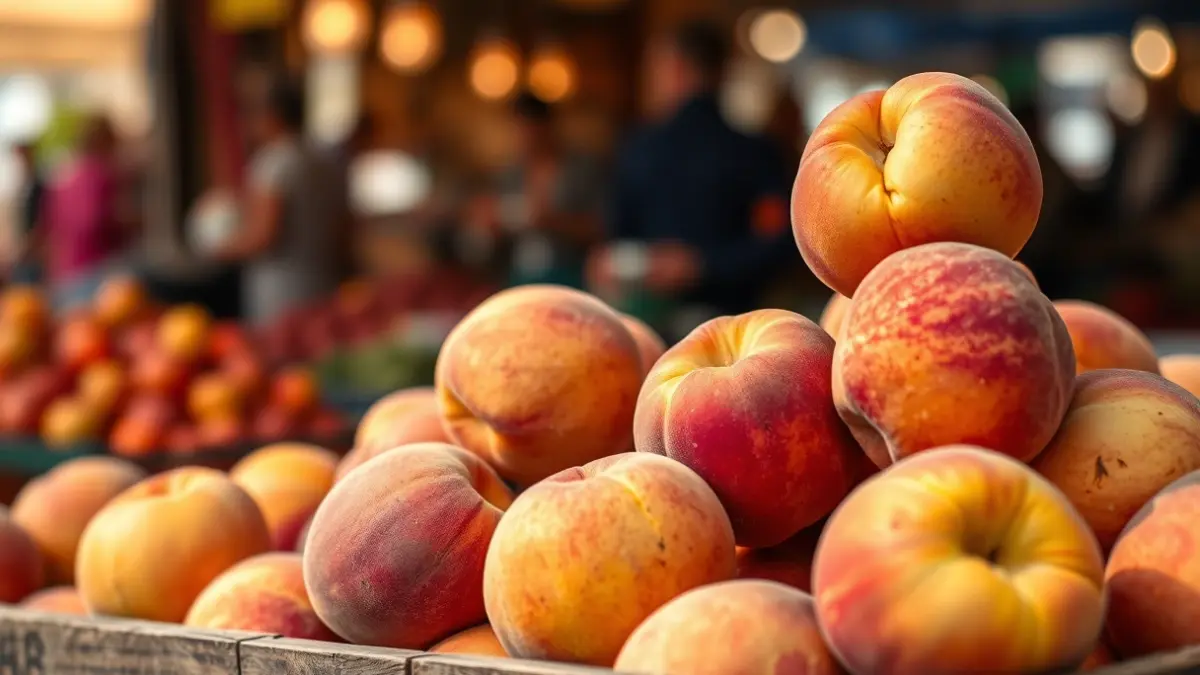
The fine, already paid by the company, stems from an inspection carried out in August 2024 by the Generalitat's Department of Agriculture. This action was initiated following complaints from agricultural organizations Uaga and Unió de Pagesos, which warned about the sale of Turkish red peaches labeled as Aragonese produce.
Inspectors identified several anomalies, including a lack of documentation to prove the fruit's traceability, incorrect labeling regarding origin and variety, and the absence of the issuing firm's address. Furthermore, the accompanying commercial documentation was incomplete regarding the origin and destination of the goods.
The company's management acknowledged that the boxes contained Turkish fruit, although they insisted that the fruit itself came from Aragon. They argued that the peaches had arrived in damaged cardboard packaging, which they could not use, assuring that the poor condition of the packaging did not affect the product's quality.
This complaint is part of a broader campaign by agricultural organizations to defend the interests of farmers and family farms in the fruit-growing region of Huesca. Uaga, in particular, has been very active against corporate abuses, which have included non-payments and various violations of commercial regulations in the agricultural sector.
In recent weeks, fruit growers from Baix Cinca have filed more than thirty complaints against warehouses and industries for non-compliance with payment terms, absence of contracts, and, in cases where contracts exist, for the lack of calculations to prevent sales at a loss. These irregularities affect crops such as cherries, plums, peaches, pears, apples, and almonds.