Renowned musician and conductor from Vilafranca del Penedès, Pere Lluís Biosca, will play a central role in welcoming Pope Leo XIV to Catalonia next week. Biosca has been appointed to coordinate and direct all musical aspects of the main events the pontiff will preside over in Barcelona, ranging from repertoire selection to leading the participating choirs and musicians.
The first event will take place on Tuesday at midday in the Barcelona Cathedral, where the pontiff will officiate a Sexta in the crypt of Saint Eulalia's tomb. The Francesc Valls Choir, under Biosca's direction, will perform an anonymous 16th-century motet, a piece usually only heard on Saint Eulalia's day and reserved for special occasions.
Pope Leo XIV's visit will also include a stop at the Brians I penitentiary center on Wednesday morning, followed by a visit to the Monastery of Montserrat for an institutional event and a meeting with the Benedictine community. In the afternoon, the pontiff will travel to Barcelona's Raval neighborhood to visit the parish of Sant Agustí and learn about social projects.
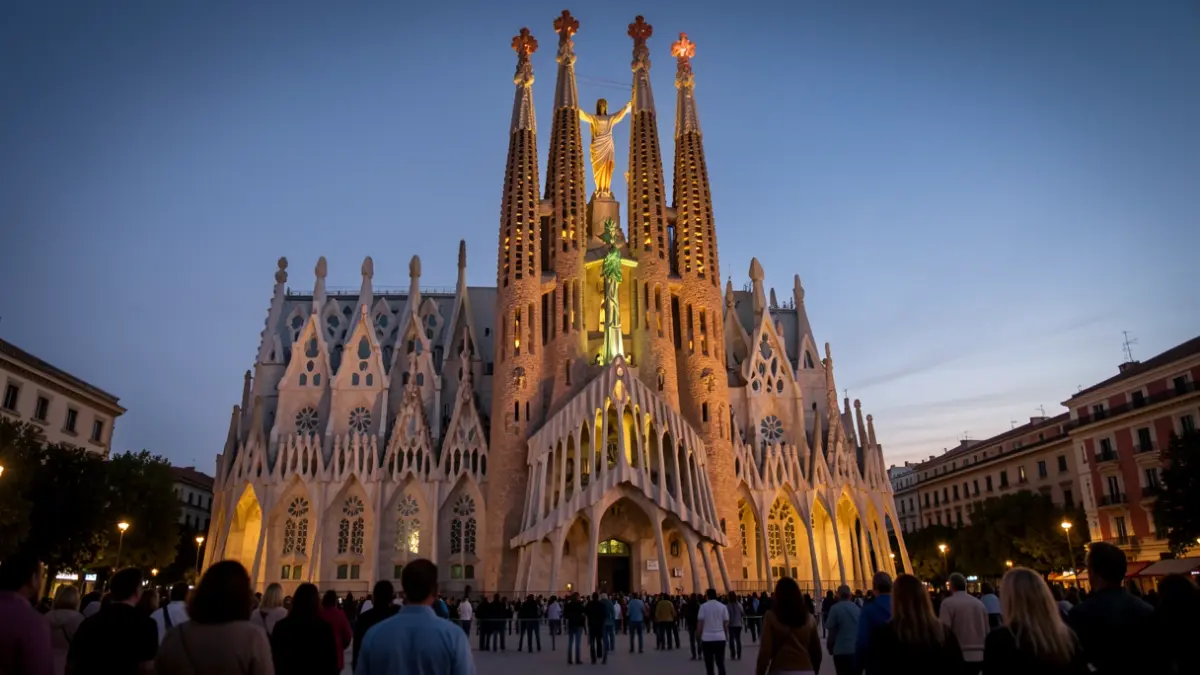
The highlight of the visit will be the Solemn Mass at the Sagrada Familia basilica at 7:30 PM, coinciding with the centenary of Antoni Gaudí's death. Biosca will direct the musical part of this celebration, which will involve around 5,000 attendees in the central nave and 600 singers in the choir lofts. Afterward, the Tower of Jesus Christ will be blessed, accompanied by a spectacle expected to draw about 15,000 people outdoors.
The papal visit will also include a Great Prayer Vigil in the evening at the Estadi Olímpic Lluís Companys on Montjuïc, with the participation of the Castellers de Vilafranca human tower group. At Montserrat, the lunch with the monks may have a Penedès touch thanks to the presence of Raimon Olivella i Piñol, director of Hospitality and Restoration at the monastery.
The initially limited use of Catalan during the visit has sparked controversy. The Parliament highlighted Antoni Gaudí's commitment to the Catalan language and culture, recalling his arrest during the dictatorship of Primo de Rivera for defending its use.