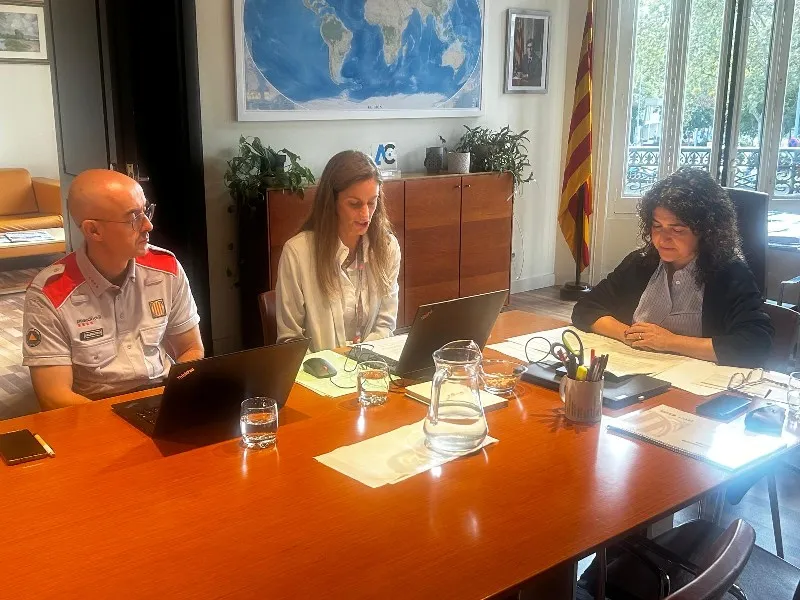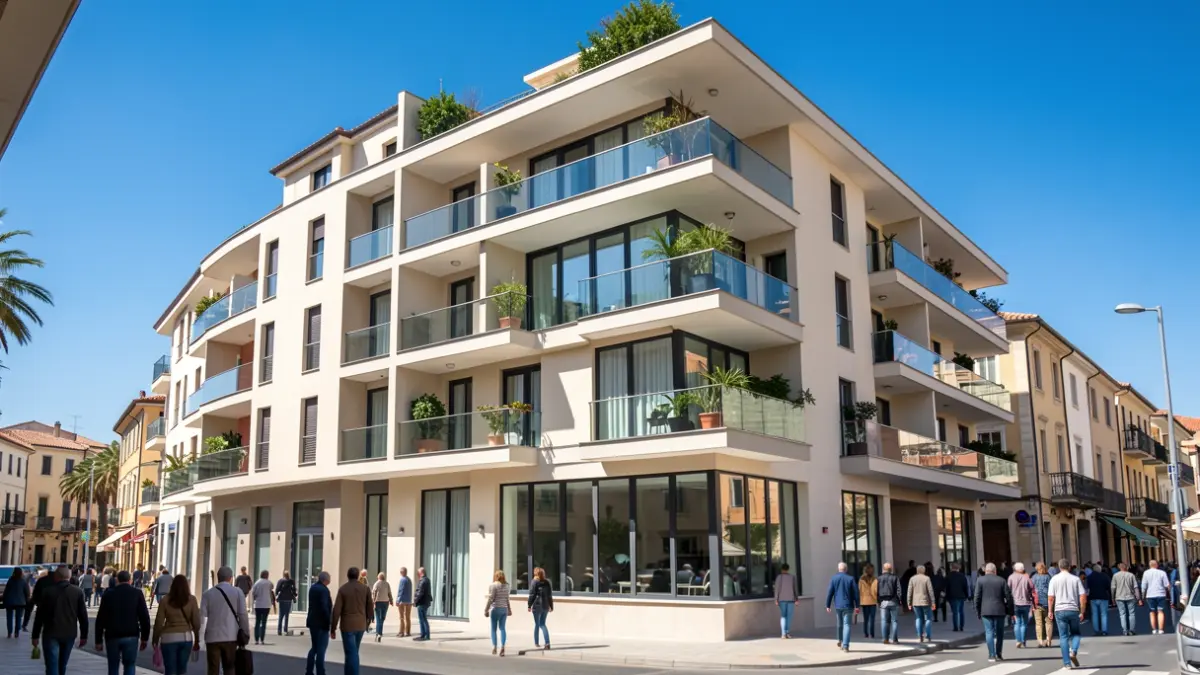
The Barcelona City Council and the Department of Social Rights and Inclusion have announced an agreement to build four new public residences for the elderly in the city. This initiative aims to enhance the public system's capacity to care for elderly individuals in situations of dependency and address the demographic challenge of an aging population.
The new facilities, which will include residential places and day centers, will be located in the neighborhoods of Casernes (Sant Andreu), Eixample (Viladomat street), Marina del Prat Vermell (Sovelles and Ulldecona streets), and around Glòries. This institutional collaboration between the Generalitat de Catalunya and the Barcelona City Council establishes a new joint working framework to expedite the projects' implementation.
Catalonia faces a significant demographic challenge, with 21% of Barcelona's population (358,556 people) over 65 years old. Projections indicate a continuous increase in this figure, alongside a growing need for residential and dependency care services.
During the 15th legislature, 592 new places for the elderly have been created in Barcelona, including assisted living residences and supported housing. Currently, the city has 5,883 public places. Additionally, the new Benavent residence and day center in the Les Corts district is under construction with an investment of 15.5 million euros, and improvements are being made to eight public residences and day centers with an investment of 8.58 million euros.
The agreement introduces a new collaboration model where the Barcelona City Council, through BIMSA, will handle the contracting and execution of the construction works, while the Generalitat will act as the promoter, guaranteeing funding, operational setup, and management. This model aims to reduce timelines and accelerate project completion.
A joint monitoring committee will be established to oversee the projects' progress and ensure commitments are met, reinforcing the shared effort to expand the public residential network and guarantee better care for Barcelona's elderly population.