The BIT Habitat foundation, driven by the Barcelona City Council, is launching a new identity as Barcelona Innova. This evolution aims to address urban challenges with a renewed strategy, including strengthening the council's role as an innovation driver, transforming governance bodies, and broadening the scope of its actions.
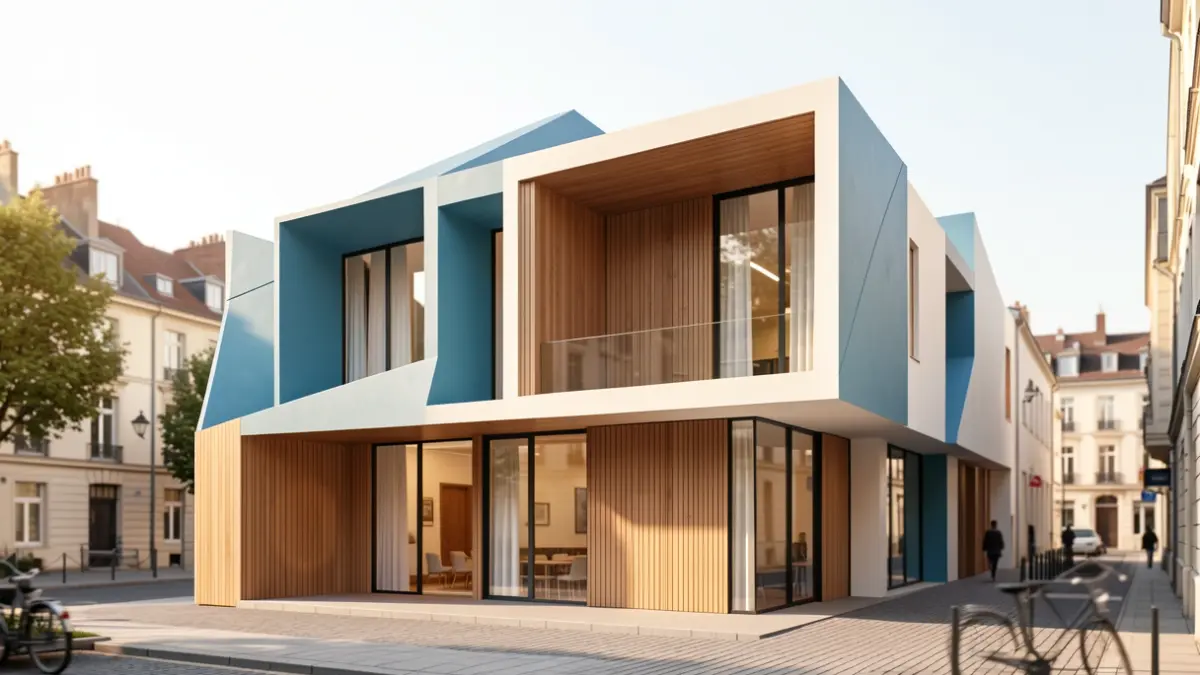
Notable projects by the foundation include the 21st-century paving stone (panot del segle XXI), sustainable paving designed to replace traditional ones, and WikiHousing, a sustainable building for young people currently under construction. According to Natàlia Sànchez, project manager, these initiatives go beyond technology, contributing to a city with "higher quality of life, more pleasant, and safer".
Mayor Jaume Collboni emphasized that the name change represents "taking a step forward" in innovation and "updating the instrument and accelerating responses," thereby maintaining the city's "innovative pulse." The presentation, attended by nearly 200 representatives from the innovation ecosystem, also featured economist Maria Mazzucato, who highlighted the importance of innovation and collaboration in tackling global social challenges.
The new phase of Barcelona Innova will focus on strengthening collaboration with local universities, research centers, and associative fabric. The intention is to continue developing existing plans, such as implementing artificial intelligence in traffic light regulation, and experimenting with concrete changes, like a new ordinance for experimentation spaces, with the ultimate goal of placing the city "at the service of people, but also of the planet".
A key challenge for the foundation will be addressing the housing crisis. The WikiHousing model, based on prefabricated light timber frame modules, is presented as a solution for faster, greener, and more inclusive buildings. This system allows for the construction of approximately 50 m² homes with collaborative spaces, and is currently being implemented in Poble-Sec.