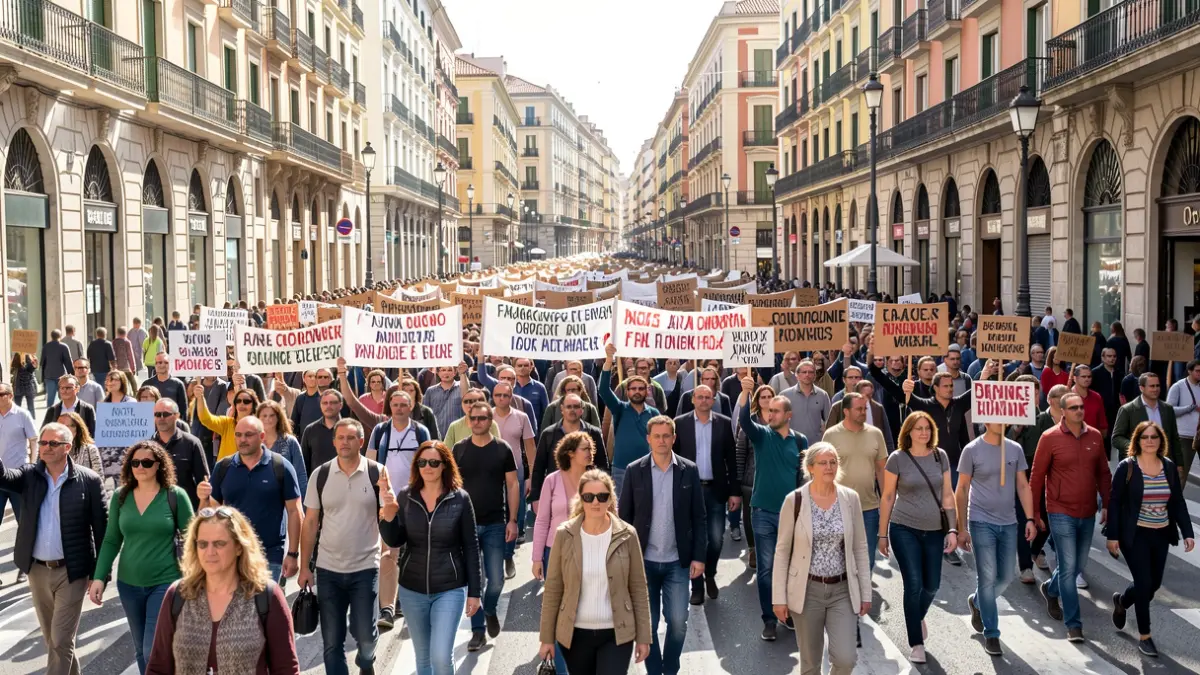
Between 2016 and 2024, Barcelona has seen one in four haberdasheries and drugstores close, representing a 25% decrease. The shoe and leather goods sector has also suffered a significant setback, with nearly 30% fewer businesses, according to municipal census data of commercial premises.
The food sector has not been spared from this trend. Fishmongers have decreased by 141 establishments (almost 25%), egg and poultry shops by 15%, and butcher shops by 10%.
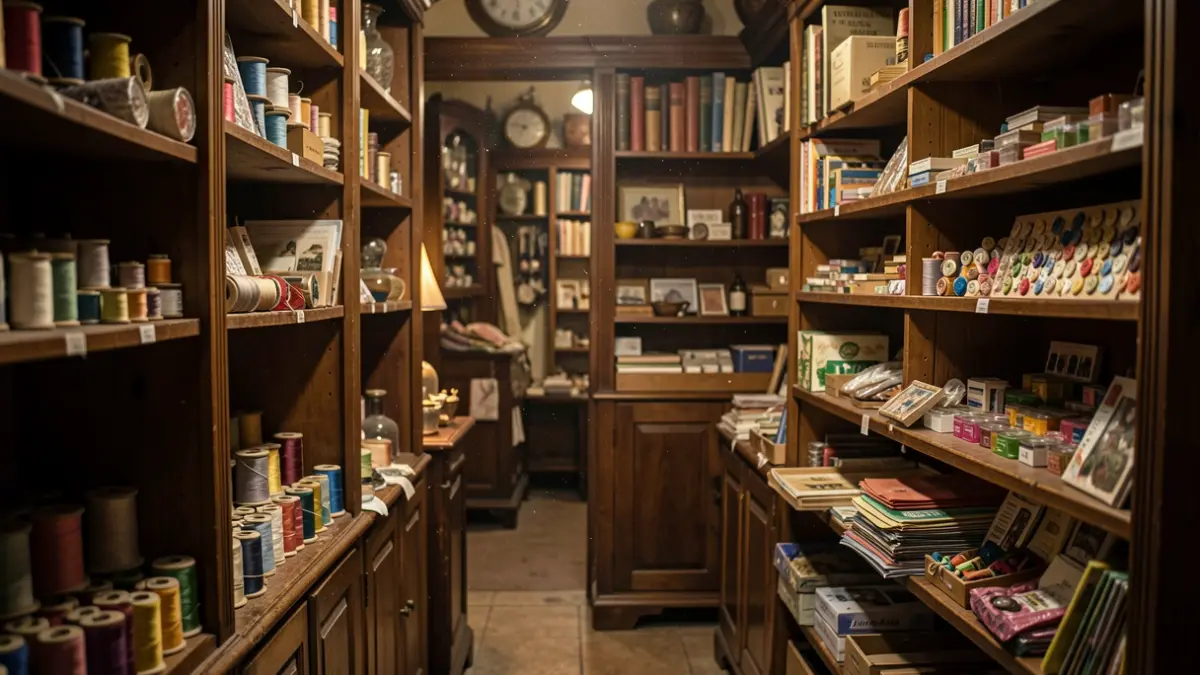
This decline in traditional commerce is evident in examples like the century-old Perelló haberdashery in the Sant Andreu neighborhood, where the third generation doubts the fourth will continue the family legacy. The historic Tarragona haberdashery in the Gràcia neighborhood closed in early July after 109 years of operation.
Ramon Martínez Perelló, from the Perelló haberdashery, points to competition from "large Chinese bazaars" as one of the factors that have harmed the sector, although he highlights the quality and differential service of traditional commerce.
The analysis of the evolution of traditional businesses, including haberdasheries, shoe stores, leather goods businesses, drugstores, and perfumeries, as well as retail food stores outside supermarkets, shows a generalized decline. The comparison between the 2016 and 2024 censuses highlights this trend, which is likely older.
Drugstores and perfumeries have also experienced a significant drop, with the disappearance of about two hundred of the nearly eight hundred that existed in 2016. In the food sector, fish and seafood shops are the most affected, followed by butcher shops and fruit and vegetable stores.
Pròsper Puig, president of the Fundació Barcelona Comerç, acknowledges the reality of traditional business closures but defends the strength of commercial hubs and the shift towards sector professionalization, with businesses requiring physical presence better resisting the impact of online shopping.
Perelló calls for "economic measures" and a "special status" for traditional commerce, including the relaxation of municipal regulations on signage, lighting, or labor regulations, to facilitate business continuity.
Despite the decline in some sectors, the general census of commercial premises in Barcelona shows a slight increase of 2.6% since 2016, with 61,875 active premises. Activities such as gyms, fitness centers, and warehouses have grown notably, reflecting changes in consumer habits and the rise of e-commerce.
The daily use commerce index remains around 13% in the city, with significant variations between neighborhoods. The municipal report highlights Barcelona's commercial density, higher than that of other metropolises, and its abundant supply capacity.