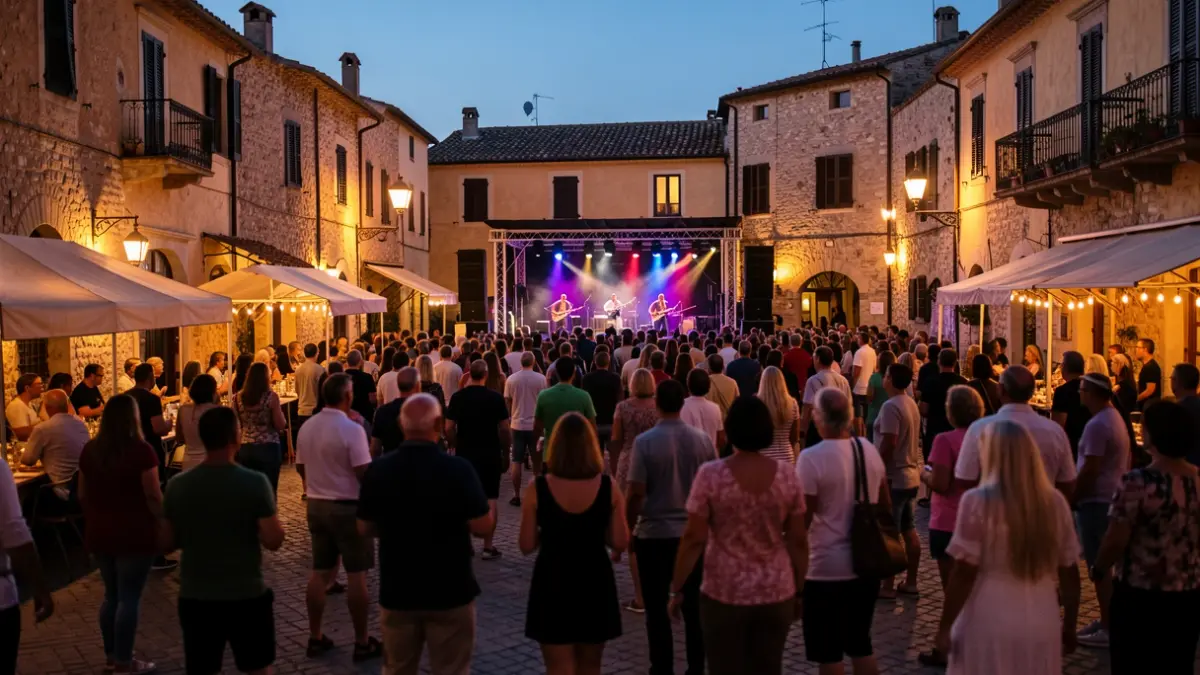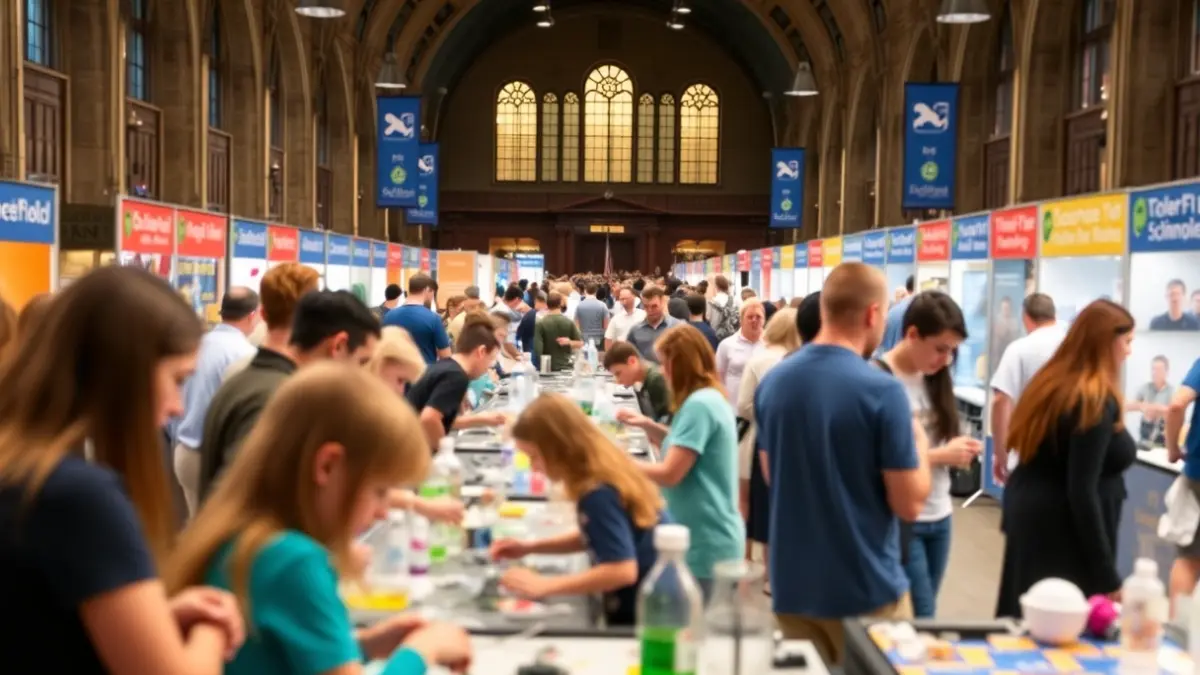
This nineteenth edition focused primarily on neuroscience and architecture. The initiative's goal is to break down barriers between academic research and the general public, facilitating a direct encounter between knowledge creators and citizens.
“"Barcelona is a city of science, but science often remains distant from citizens' daily lives because it is developed in research centers or universities. With initiatives like this, we break the barrier and facilitate a direct meeting between those who generate knowledge and those who can enjoy it."
Throughout the day, attendees, both children and adults, enjoyed a wide variety of activities, including games, experiments, workshops, exhibitions, and talks. These proposals made curiosity the main driver of the experience, allowing participants to discover science from a practical and accessible perspective.
Among this year's novelties, the incorporation of brain-focused content stood out, coinciding with the city's hosting of the FENS Forum, Europe's most important neuroscience congress. The “Neuroreset Mission” escape room was one of the most popular activities, offering an immersive experience to understand brain function.
Furthermore, Barcelona's designation as World Capital of Architecture was reflected in the program with the “Secrets of Architecture” space, which allowed exploration of basic construction principles and the relationship between form, function, and sustainability.
The Science Festival also maintained established proposals, such as the “Discover the Enigma” scavenger hunt and classic mathematical challenges, which continue to spark interest in science through play and curiosity. The event thus reaffirms its role as a meeting point between research and society, demonstrating that knowledge can be rigorous, accessible, and exciting.