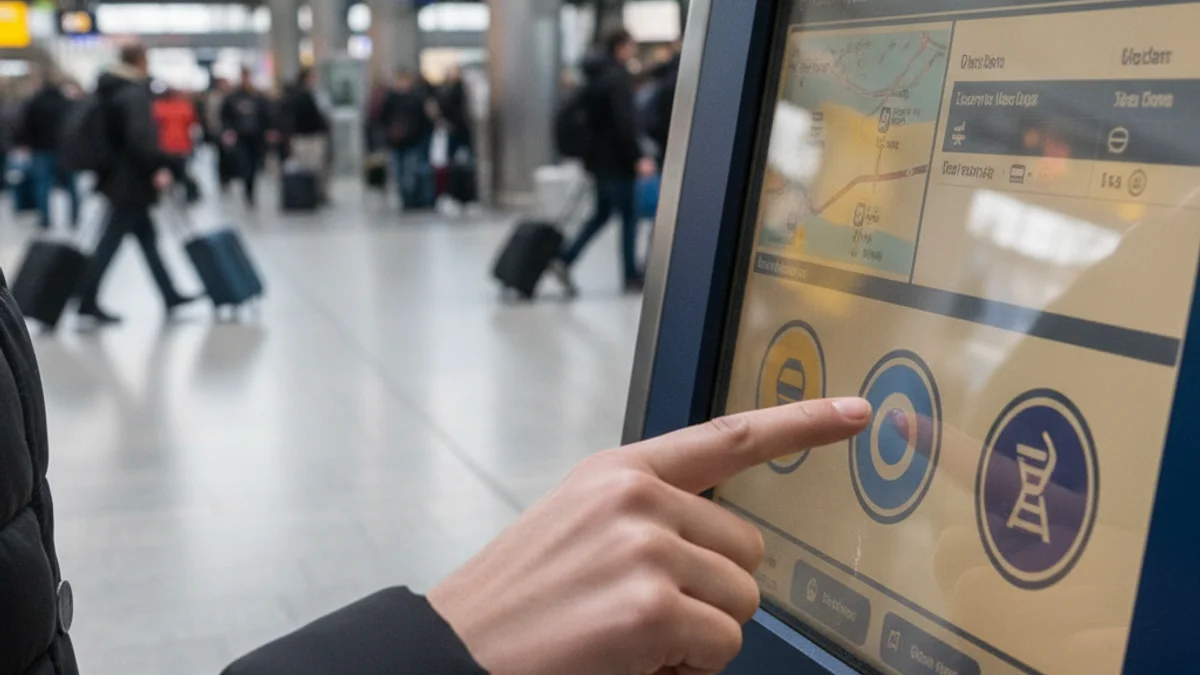
Since this Tuesday, users can obtain free Rodalies passes, allowing 10 trips over 30 days (until February 24) and valid for all zones in the Barcelona core. These tickets, formally priced at zero euros, can be acquired at station ticket offices and self-service machines. The same conditions apply to passes for regional, regional express, and mid-distance trains, although they are not valid for Avant services.
Regarding road mobility, barriers remain open at the C-32 toll in Garraf, a measure initiated after the AP-7 was cut off due to the wall collapse in Gelida. Furthermore, the temporary lifting of low emission zone (ZBE) restrictions is maintained until this Friday. Public transport reinforcement includes 150 additional vehicles on regular lines and 19 extra buses in the Barcelona metropolitan area, connecting Castelldefels, Gavà, and Viladecans.
“"We will maintain the service bonuses until the end of the legislature."
The Minister of the Presidency, Albert Dalmau, appeared before the Parliament this Wednesday to announce that the 50% bonifications on ticket prices will be maintained until the end of the legislature, meaning until 2028. This measure, resulting from a negotiation with the Comuns, implies that the Generalitat covers 30% of the reduction, committing to extending this subsidy regardless of the continuity of the portion funded by the State (the remaining 20%).