Growing longevity and low birth rates are radically altering Catalonia's demographic profile, where over 1.5 million people are now over 65, representing approximately 20% of the population. Projections indicate this proportion could reach 30% by 2070, with a dependency ratio potentially exceeding 50% in the same period.
“"Longevity is not just a biological conquest; it is a cultural, economic, and human challenge."
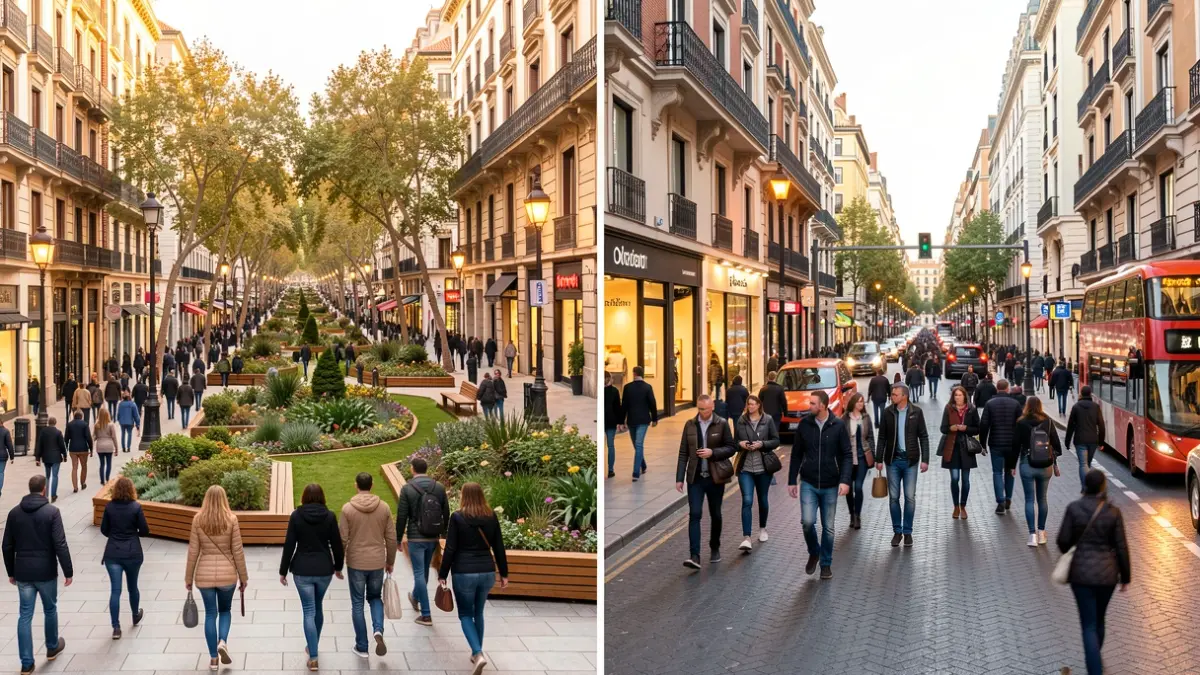
This scenario necessitates transforming cities by rethinking urban planning, mobility, healthcare, and especially housing. Currently, Catalonia has only about 3,000 service-equipped homes for seniors, with over half concentrated in Barcelona. This contrasts sharply with the nearly 29% of people over 75 who live alone, often in underutilized apartments unadapted to their needs.
Despite the deficit, a significant opportunity exists, as nearly 80% of people over 65 own their homes. This opens the door for transition models to more suitable housing, simultaneously freeing up apartments for affordable rental stock. This strategy would benefit local councils, the housing system, and, most importantly, seniors, by offering them communal living spaces, autonomy, and access to community and healthcare services.
The Generalitat Government's 50,000 Housing Plan, aiming to expand public housing stock by 2030, represents a key opportunity to include the construction of affordable service-equipped housing for seniors. Most elderly individuals wish to live at home and delay institutionalization as much as possible, making this a public agenda priority to ensure optimal quality of life in old age.