Colorectal cancer, the most common tumor in the general population, shows a 47% participation rate in its early detection program in Catalonia. This figure, consulted by ACN for World Colorectal Cancer Day on March 31, conceals significant territorial differences. While in Alt Pirineu i l'Aran participation reaches 61% among individuals aged 50 to 69, in the Girona regions it is only 39%.
In the city of Barcelona, data from the 2022-2023 period shows even more pronounced polarization. Neighborhoods like El Clot record 60% participation, while in Raval Sud this figure drops to 29%. Dr. Jaume Grau, coordinator of the Colorectal Cancer Screening Unit at Hospital Clínic de Barcelona, points out that these disparities are closely linked to socioeconomic status and the difference between urban and rural environments, where participation tends to be higher.
“"Colorectal cancer screening has proven its effectiveness, meaning it reduces mortality and the incidence of colorectal cancer."
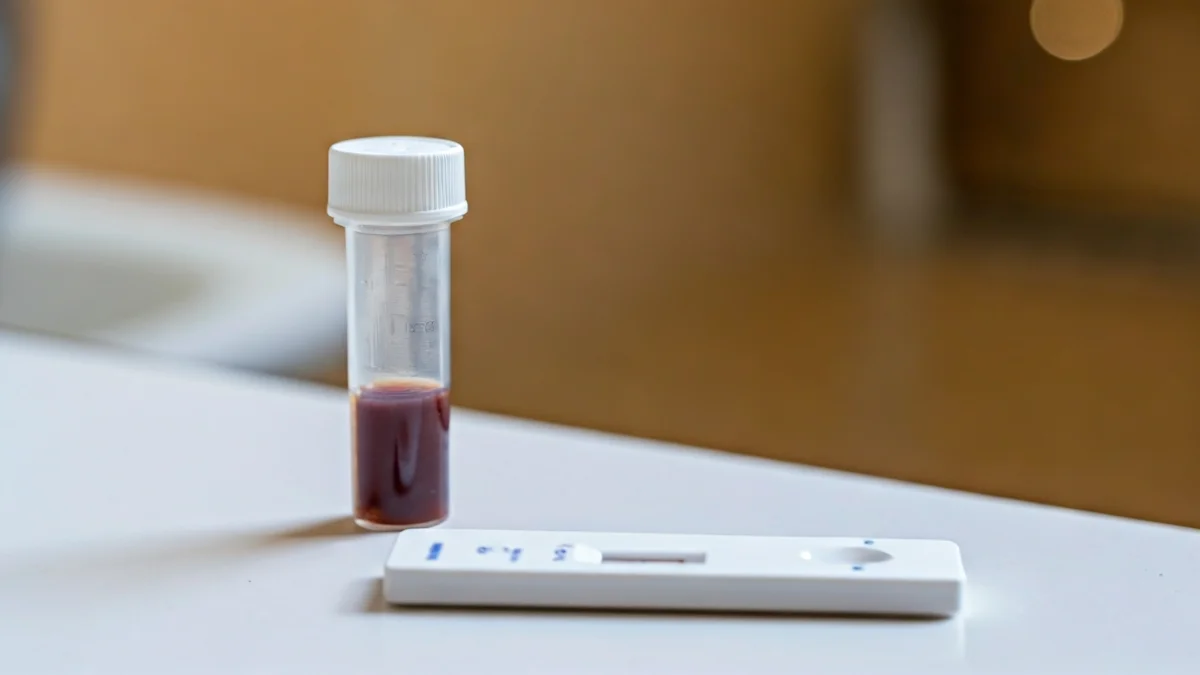
The early detection program invites all women and men aged 50 to 69 every two years, via letter, to undergo a fecal occult blood test. This initiative, which the Ministry of Health has agreed to extend to 74 years, is crucial not only for early diagnosis of the disease but also for its prevention, as it allows for the detection and removal of polyps or precancerous lesions before they develop.
Dr. Grau also highlights that participation varies by sex and age, with lower involvement from men and the younger age group (50-55 years). Furthermore, he emphasizes the role of family doctors in rural settings as a 'community driver' to encourage participation, a factor that diminishes in large cities. Socioeconomic inequalities and cultural or linguistic barriers among the migrant population also negatively influence screening rates.