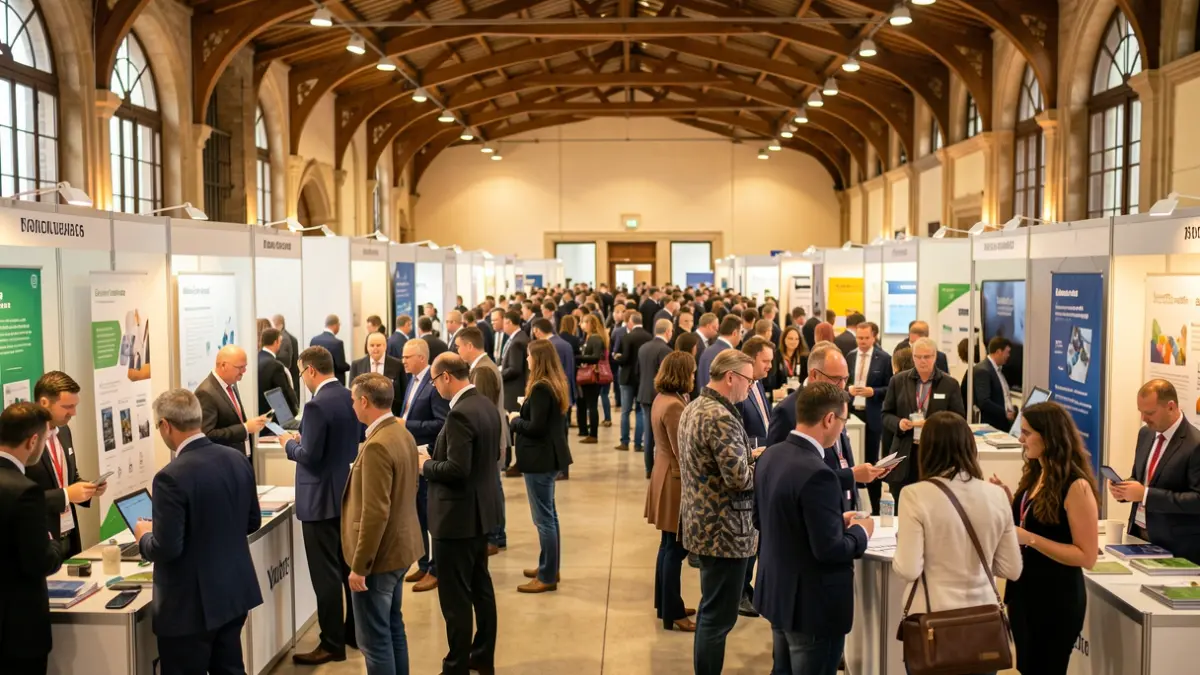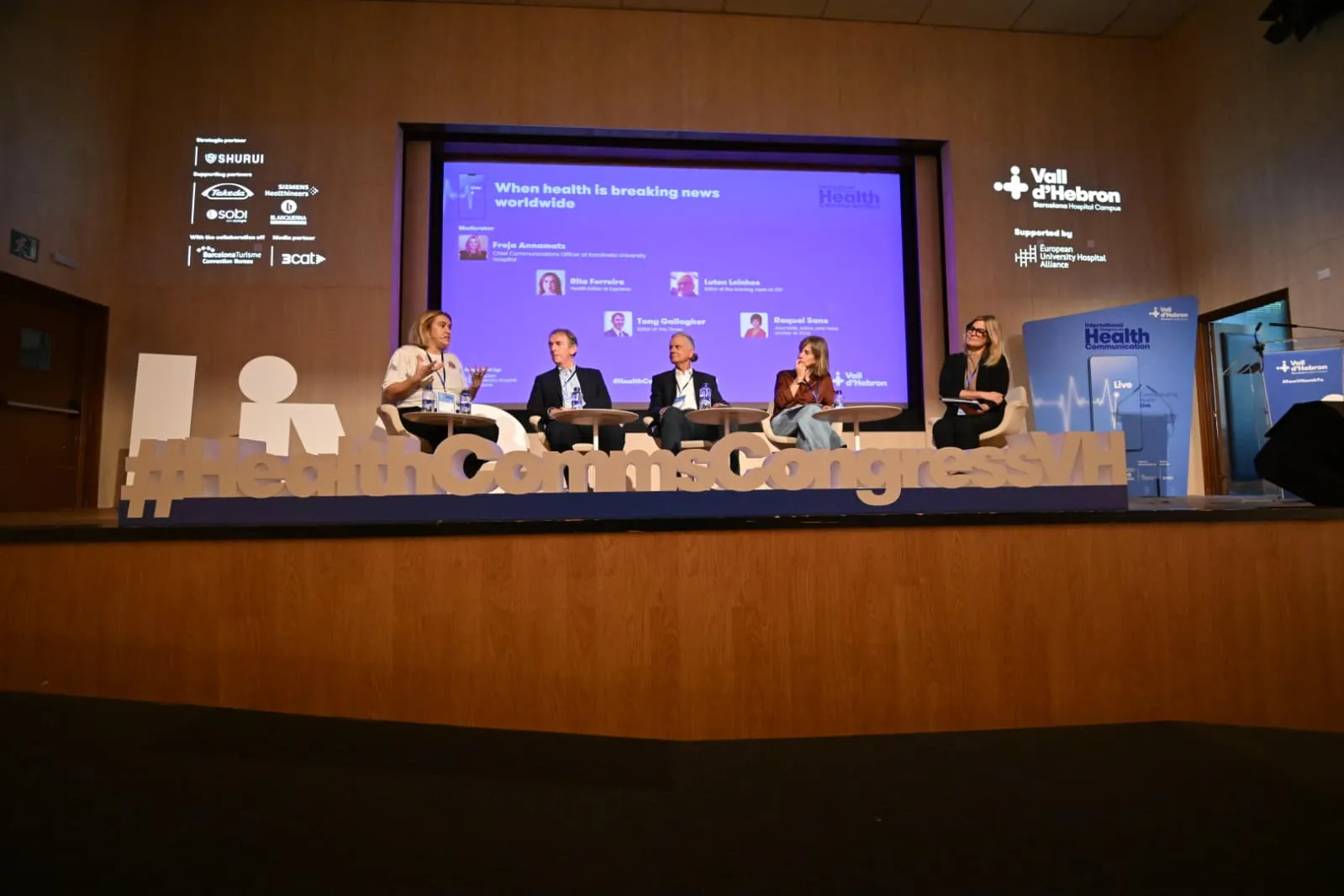
The congress, themed 'Communicating in Real Time,' focused on the challenges of live reporting in high-pressure, rapidly evolving environments. The first day featured live connections with the World Health Organization (WHO) in Geneva, the Democratic Republic of Congo to discuss an Ebola crisis, and Ukraine to share experiences of health communication amidst war.
Journalists from outlets such as The Times, TV3, Expresso, and ZDF shared editorial criteria on how health news is selected, emphasizing the importance of rigor, transparency, and connection to citizens' daily lives. The difficulty of avoiding false hope regarding scientific advancements still in early stages was highlighted.
The session 'When Health Becomes Global News' explored how health news agendas differ across national healthcare systems in the United Kingdom, Germany, Portugal, and Catalonia. It was noted that scientific significance doesn't always align with journalistic interest, where social impact and political/economic relevance are key determinants.
The COVID-19 pandemic served as a case study for reporting in uncertain situations and communicating medical breakthroughs without creating scientifically unsupported expectations. The relationship between media and health institutions was also discussed, stressing the need for verified data, clear explanations, and prompt responses.
The day concluded with a hands-on workshop to build an AI agent, exploring the potential of this technology in health communication and moving from reflection to practical application.