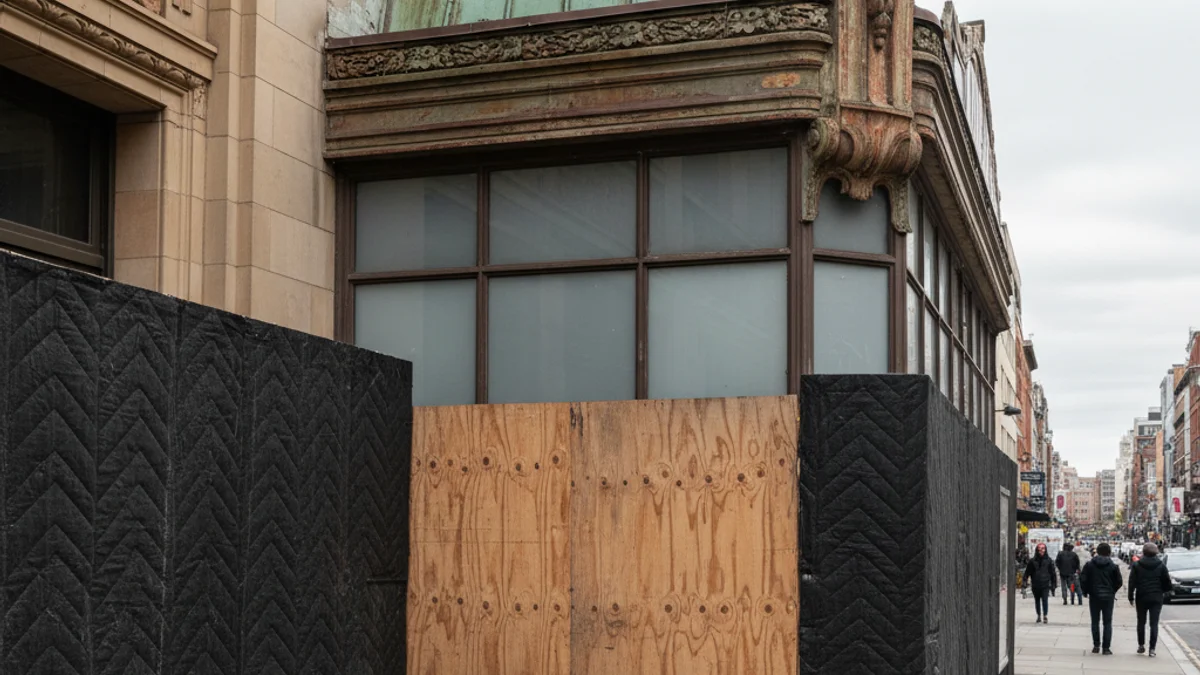
The cultural venue, located on the Paral·lel in Barcelona, has been owned by the council since it announced its purchase for 6.2 million euros in 2021, under the mayorship of Ada Colau. The management of the space is currently handled by the company Barcelona Events Musicals (BEM).
The noise problem is not new; technicians from the Sants-Montjuïc district already inspected the venue at the end of February 2025 following a neighbor's complaint. While the works, which will be financed by the City Council, are pending, the promoter will readapt the programming.
“"The situation is a necessary step to recover the leadership and legacy of El Molino as a great cultural icon of Barcelona."
To minimize disruption until the reforms begin, performances will be concentrated on weekends and must end before 23:00 hours. In December, the City Council had already notified the managing company of “deficiencies” in the soundproofing.
The origin of El Molino dates back to the late 19th century as the Pajarera Catalana. Around 1910, the name was changed to Petit Moulin Rouge. After the Civil War, the Franco regime forced the removal of the term “rouge” due to political connotations, leading to its current name, El Molino.