The Port of Barcelona handled 444,029 automobiles between January and July, a 4.6% increase compared to the previous year. Imports grew by 25.5%, and electric and hybrid vehicles now represent almost a fifth of the total, with a 48% rise.
Vehicles are one of the port's main cargoes, linked to local industry. Barcelona is Spain's leading port and Europe's fifth in this traffic, receiving 80% of Chinese cars arriving in Spain. Last year, 716,000 cars were moved, with a goal to reach one million.
The 75 million euro investment by Japanese logistics giant NYK to build a new terminal capable of handling approximately 180,000 vehicles, mainly imports, aims to contribute to this objective.
Bulk solids have also boosted traffic, with 2.3 million tons handled between January and July (a 5.3% increase). Notable rises include cement and clinker (17%) and potash (11.8%).
Liquid bulk cargo grew by 2.7%, with 9.9 million tons, particularly chemicals (49%) and biofuels (46%).
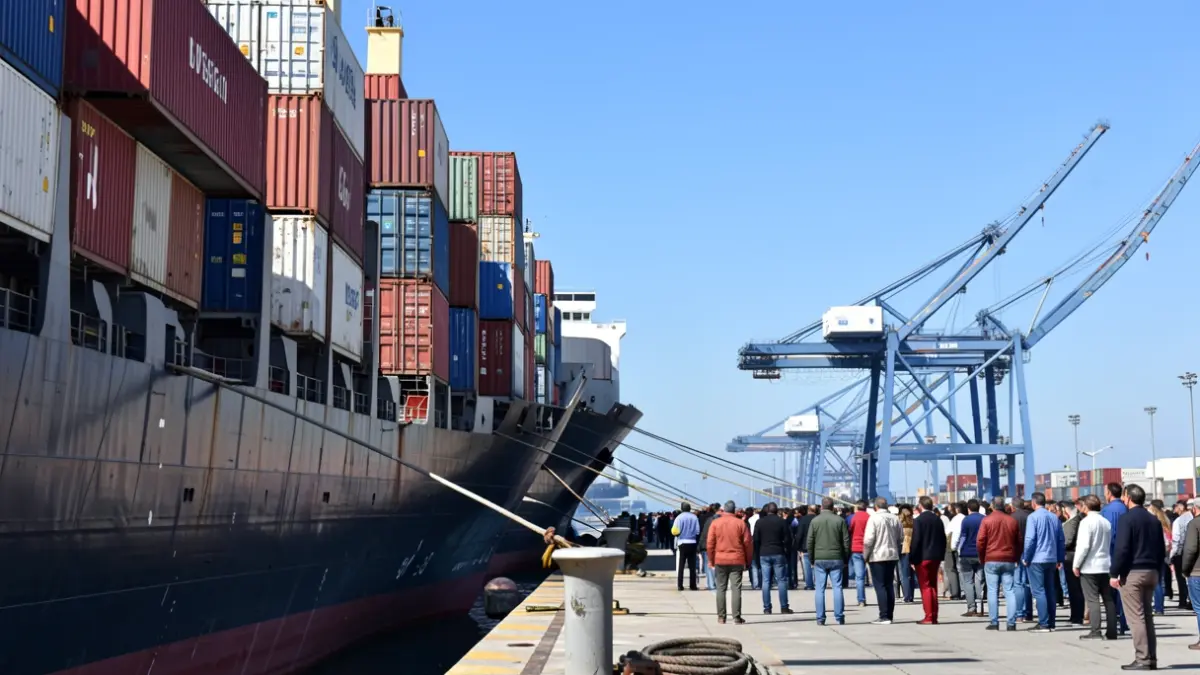
The number of TEU containers passing through the Port of Barcelona by July reached 2.2 million (a 1.5% increase). Full import containers rose by 6.1% and transit containers by 5.8%, while export containers fell by 10%.