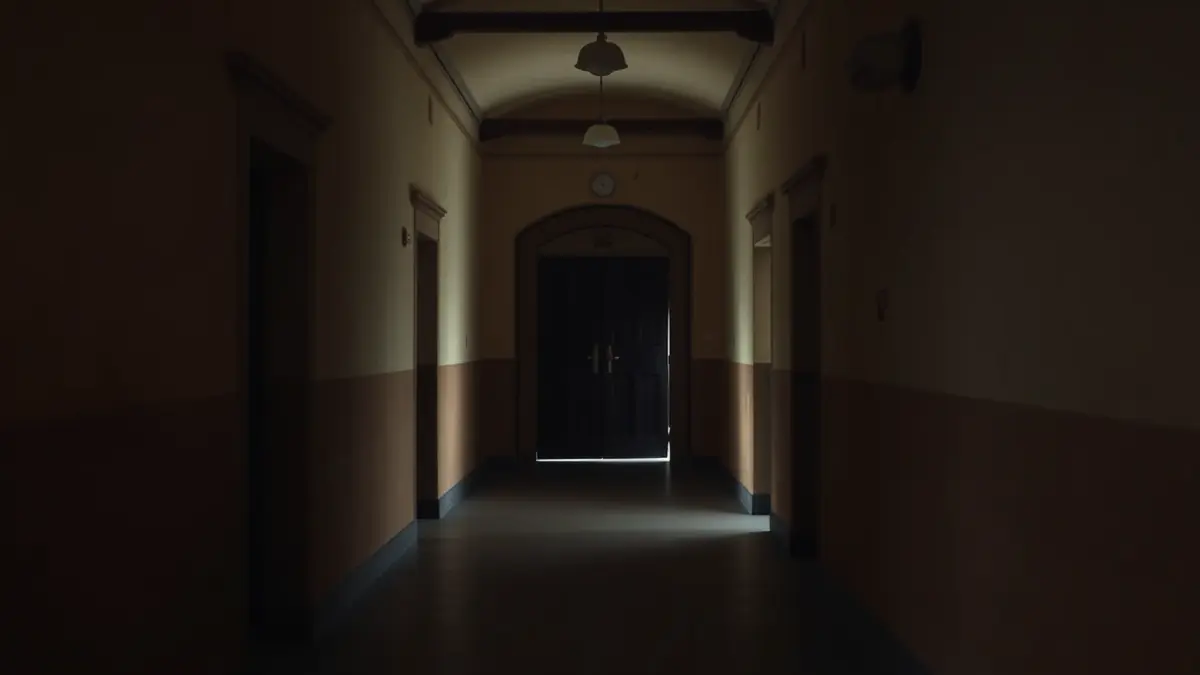
These individuals, who were detained and tortured at the Superior Police Headquarters of Barcelona, located on Via Laietana, during the Franco regime, were able to access the building on December 18. The visit was part of an investigation by the Barcelona Public Prosecutor's Office for Memory and Human Rights, following their complaints. Their experience has been publicly shared, highlighting the profound emotional impact it had on them.
“"The emotional impact cannot be described."
One of the witnesses remained under torture for twenty days, while others were detained for thirty-two days. Returning to Via Laietana was not easy for any of them, who confessed to feeling anxiety and doubts before the visit. Despite this, they decided to face it on behalf of all repressed individuals who suffered similar or worse situations.
During the visit, they were accompanied by a person of their choice and met with the prosecutor to share their experience. One of the witnesses expressed that the situation generated contradictory feelings: on the one hand, they were returning to the place where they were held and tortured, but on the other, it was another step towards ending the impunity of the dictatorship. Upon entering, they did not recognize the cells, and described that interrogations took place in a space that resembled a library, where politics were discussed to try and extract information.
The witnesses emphasized the importance of resistance during the Franco regime and regretted not having been able to see the room where they suffered torture. Representatives of memory organizations have denounced the modifications made to the cells, which they believe "hide the truth." Therefore, they are calling for the Police Headquarters to be converted into a democratic memory space, arguing that the building has "inconveniences" that make it unsuitable as a current police facility.
“"Even if there are police inside, this is and will be a space marked by torture."
Accompanied by a human rights organization, they have insisted on the importance of memory so that younger generations can understand what the dictatorship was and what it could become again if not remembered. The prosecutor has expressed the will to change the building's use, but memory organizations have made it clear that they will not accept "a plaque on the facade," but rather want recognition that torture occurred there and that the names of those responsible are recorded in history.