Provisional records from the Institute of Statistics of Catalonia (Idescat) regarding births in 2024 show that Mia ranked just behind Sofía/Sofia, Júlia/Julia, Martina, and Ona. With 320 babies registered with this name, it forms part of the top 5 most used female names in the region.
This surge is part of the dominant trend towards short, resonant names that are easy to pronounce in various languages, a feature highly valued by families in an increasingly globalized context. This preference contrasts with the 1950s, when longer or religiously inspired names like Antonio, José, Montserrat, or Teresa predominated.
This mix of biblical tradition and international projection explains much of the magnetism that has boosted its popularity in Catalonia.
Etymologically, Mia is considered a derivative form of María, which comes from the Hebrew Miriam. Its meaning is associated with concepts such as “beloved of God”, “dear one”, or “the chosen one”, reinforcing its symbolic weight. Its versatility allows it to work equally well in Catalan, Spanish, or English.
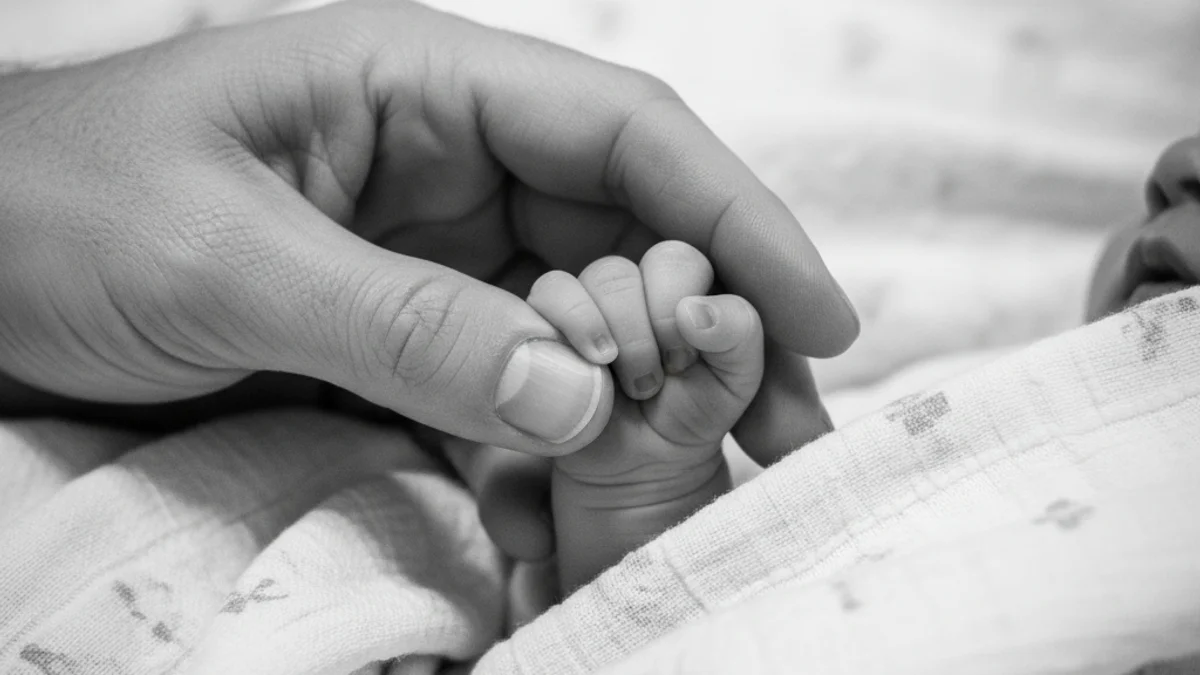
The increase in Mia's popularity occurs against a backdrop of historic lows in birth rates in Catalonia. In 2024, 53,793 babies were born, a 0.8% decrease from the previous year, making the consolidation of any name in the ranking particularly significant.