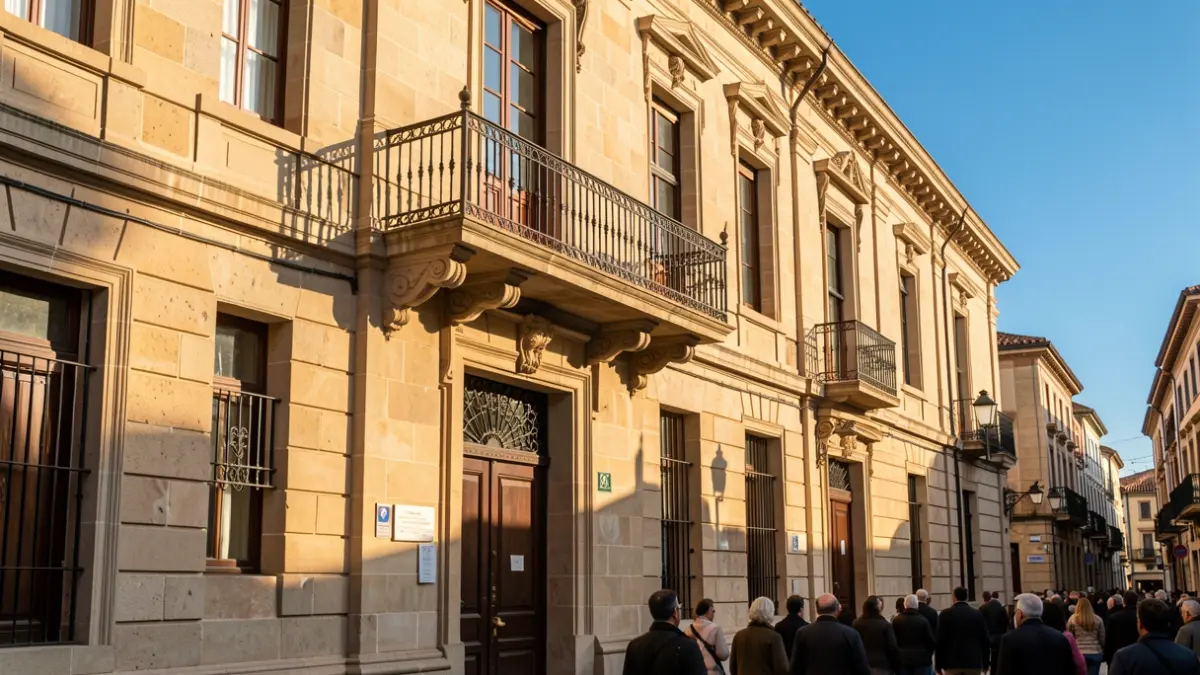
The security of a home, community, or commercial space isn't solely about the door's resistance. The quality of the cylinder, the condition of the escutcheon, and how users manage access are crucial factors. In a diverse urban environment like Barcelona, with its mix of old buildings and modern communities, locksmithing is shifting towards proactive planning rather than just reactive emergency responses.
The main door acts as the first line of defense, but its effectiveness relies on the entire system. A robust door leaf loses value if the cylinder is weak, the escutcheon is exposed, or the lock doesn't suit daily use. Therefore, it's essential to view the door as a complete system. Locksmith services in the city are increasingly focused on prevention, identifying vulnerable elements and suggesting improvements without complex renovations.
Responsible intervention begins with a thorough diagnosis. Factors like the door type, access exposure, usage frequency, and user habits must be assessed. An oversized solution can be as impractical as insufficient protection. Emergencies, whether due to a broken key, a jammed lock, or a burglary attempt, require appropriate tools and judgment to prevent further damage.
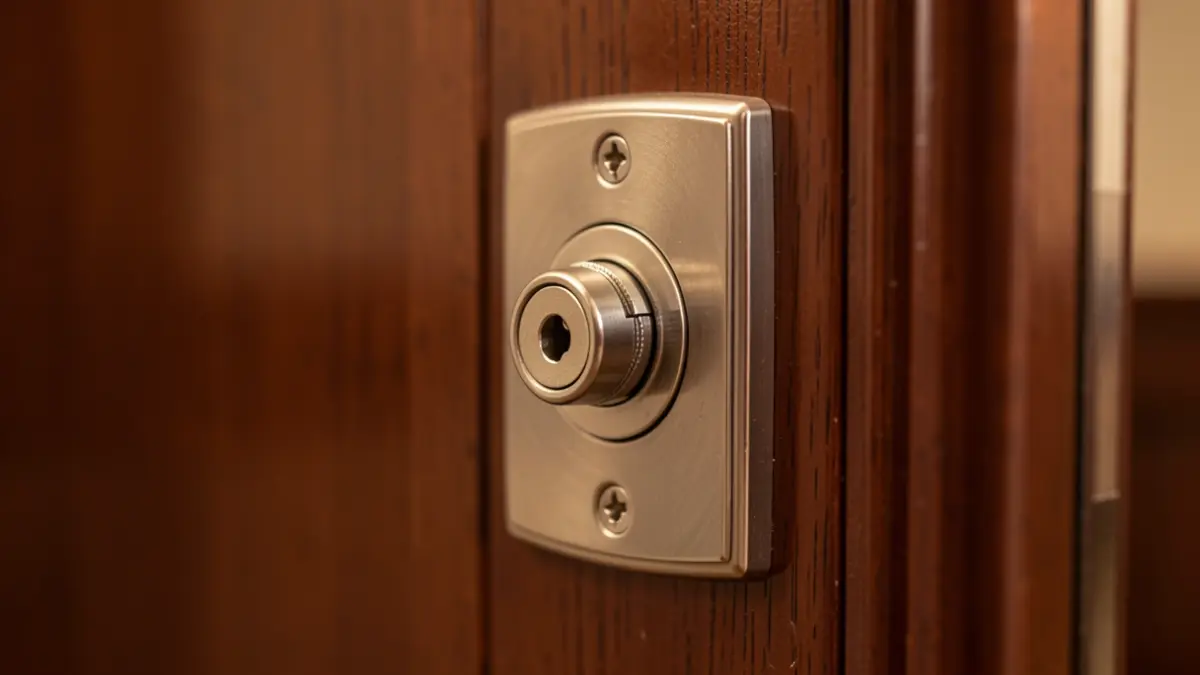
The cylinder is a sensitive component that bears much of the resistance against manipulation. A high-security cylinder should be paired with a suitable escutcheon, which protects the exterior and hinders direct attacks on the lock. These elements are vital for homes, offices, and commercial premises alike. Maintenance is also key: a stiff lock or a difficult-to-turn key can signal impending failure.
In residential communities, wear and tear are greater due to high traffic. Locks, springs, and mechanisms require regular checks. A communal door that doesn't close properly compromises the building's overall security. The shift towards electronic systems like key cards or remote controls facilitates access management, especially in buildings with frequent resident or tenant turnover.
Physical security (locks, cylinders, doors) forms the foundation, complemented by electronic security (readers, keypads, cards) which adds control and traceability. The combination of both offers solutions tailored to schedules, user profiles, and specific needs, accounting for scenarios like lost credentials or power outages.
Many security reviews happen too late, after an incident. However, moments like moving in, buying a property, a tenant change, or opening a business are opportune times to check who might have copies of the keys. It's also advisable to inspect the door after renovations or makeshift repairs. For commercial spaces, shutters and secondary access points must also be considered.
Professional locksmithing demands technical knowledge and responsibility. A professional should explain the problem, available alternatives, and the implications of each choice. Continuous training is essential to address evolving attack techniques and opening systems. Speed in emergencies should not compromise the quality of the work.
Good habits, such as properly closing the door, not leaving it ajar for convenience, or managing lost keys effectively, are crucial. For electronic systems, regularly reviewing active credentials is important. Daily security depends on both the installation and how users interact with it.
There's no single security formula. Building age, user numbers, location, and budget all influence decisions. A specific inspection helps prioritize: addressing obvious weak points first and then planning continuous improvements to make security a stable part of property maintenance.