During the III Mediterranean Forum, Pere Navarro pointed out that industrial estates, which in the 20th century were perceived negatively due to their pollution and urban impact, are now key to creating innovation. This transformation has been driven by the rise of Industry 4.0.
Navarro, who has led the Barcelona Zona Franca Consortium (CZFB) since 2018, explained that collaboration between companies and public administrations has been fundamental in reconverting these spaces into hybrid and technological environments. These environments not only generate employment but also attract qualified professionals.
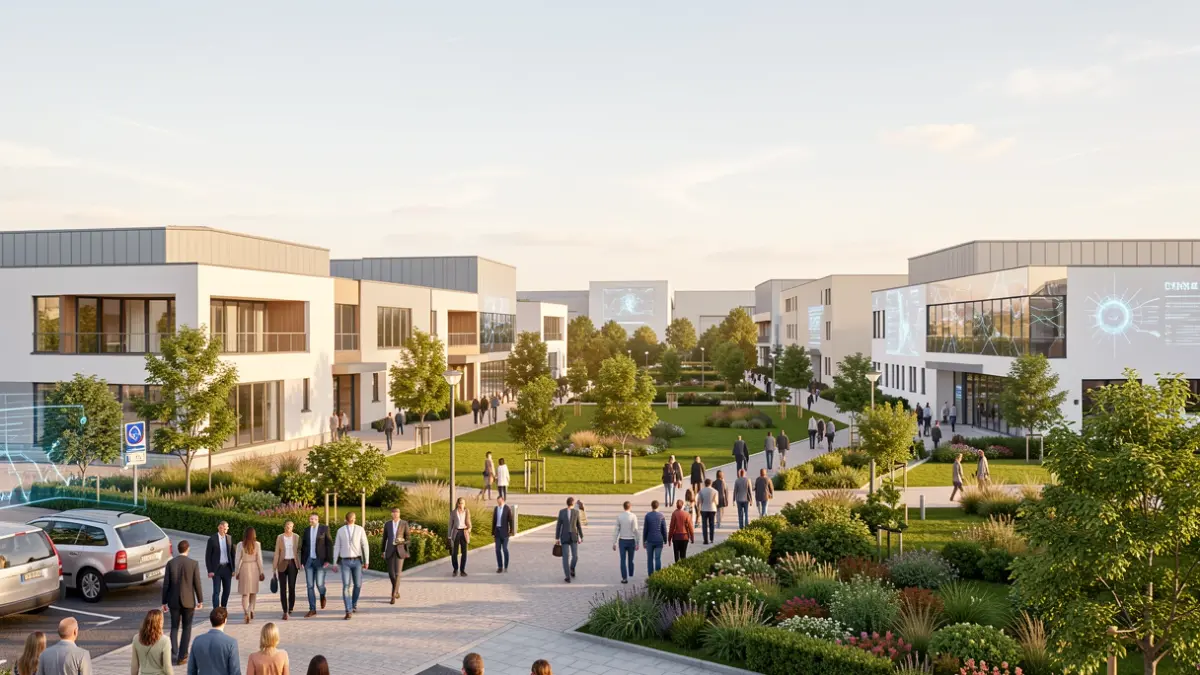
A tangible example of this reconversion is the DFactory Barcelona District. This CZFB project aims to create an ecosystem of innovation and advanced technology, hosting companies such as SEAT, Ebro, Covestro, DB Schenker, Consum, FCC, and Wallbox, in addition to 40 multinationals. The goal is to foster coexistence among large corporations, startups, technology centers, and research groups to drive the future of the productive sector.
Regarding talent availability, Navarro denied a shortage, stating that "talent exists; the main problem is finding it." He emphasized the importance of strengthening collaboration with universities and training centers to generate and retain qualified professionals, as well as creating opportunities that incentivize professional development in the region.
The delegate drew a historical analogy with the Via Augusta to illustrate the Mediterranean's potential as an economic corridor. He highlighted that the Mediterranean arc concentrates approximately half of Spain's GDP, exports, and population, underscoring the relevance of infrastructure and territorial connections for prosperity.
Navarro stressed that competitiveness goes beyond economic aspects, as "behind competitiveness are people." The ultimate goal, he believes, is to create ecosystems that offer professional opportunities and quality of life, thereby attracting both local and international talent.
On the replicability of the DFactory model in other cities like Malaga or Valencia, Navarro responded affirmatively, noting that this is the project's mission: to help create a network of economic opportunities and talent across the Mediterranean basin to enhance regional competitiveness.