This intervention, part of a broader adaptation of the interchange for people with reduced mobility, includes the expansion of the concourse and the installation of new elevators. The works, which began last February, have an execution period of thirty months.
“"The closure of the connecting corridor is an indispensable measure to carry out the widening of the space."
During the closure period, users will need to use alternative routes outside or through other stations in the network. The Plaça de Sants interchange handles approximately 12,000 passenger transfers daily between the two lines.
In addition to the corridor renovation, three new elevators will be incorporated: one connecting the concourse to the street and two linking the concourse to each platform and the interchange corridor with L1. Two new emergency exits will also be built from the platforms, the Plaça de Sants access will be expanded, and devices to facilitate mobility for visually impaired individuals will be installed, along with a new wider fare barrier.
The Department of Territory, Housing and Ecological Transition, in collaboration with the Barcelona City Council, is drafting the project for the future urbanization of the square. Furthermore, the department is preparing the construction project to improve accessibility at the L1 station, which corresponds to the second phase of the interchange adaptation.
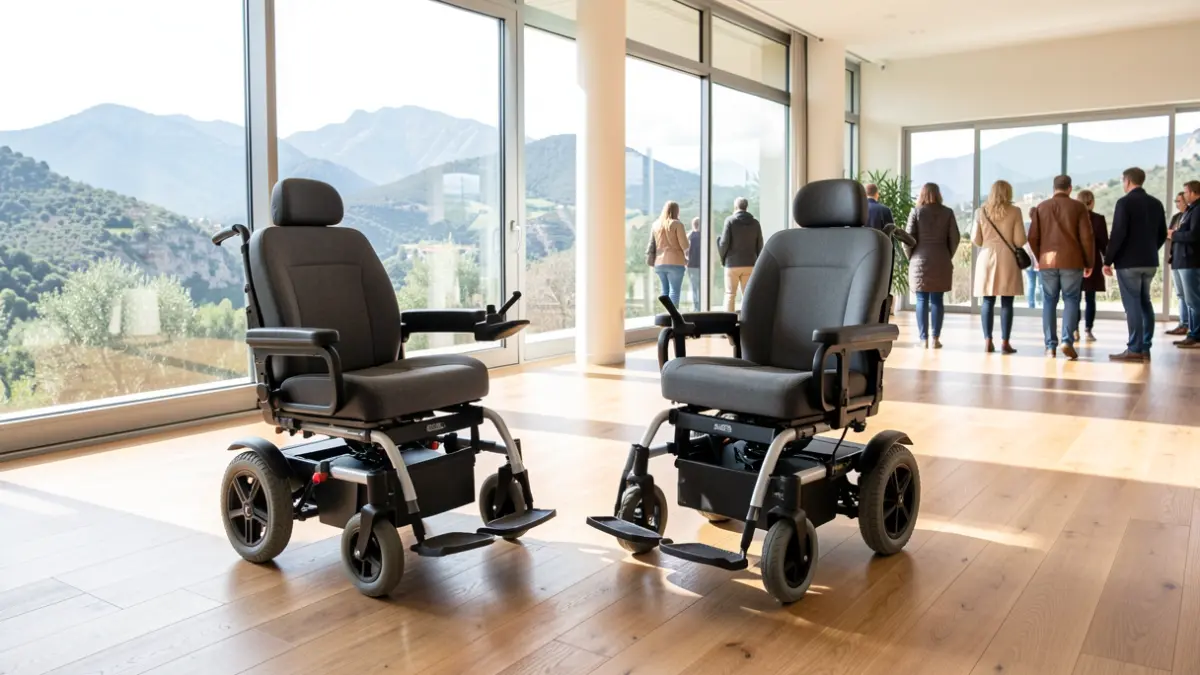
Currently, the Barcelona metro network has 157 adapted stations, representing 96.3% of the total. The government's goal is to reach 100%, and in this regard, adaptation works at Ciutadella – Vila Olímpica (L4) station have recently been completed. Works are also underway to adapt the L4 station at the Verdaguer interchange and to finalize accessibility improvements at the L1 station in Clot. Projects for the remaining stations, including Verdaguer (L5), Plaça de Sants (L1), and Urquinaona (L1 and L4), are in the drafting phase, with a total planned investment of 109 million euros.