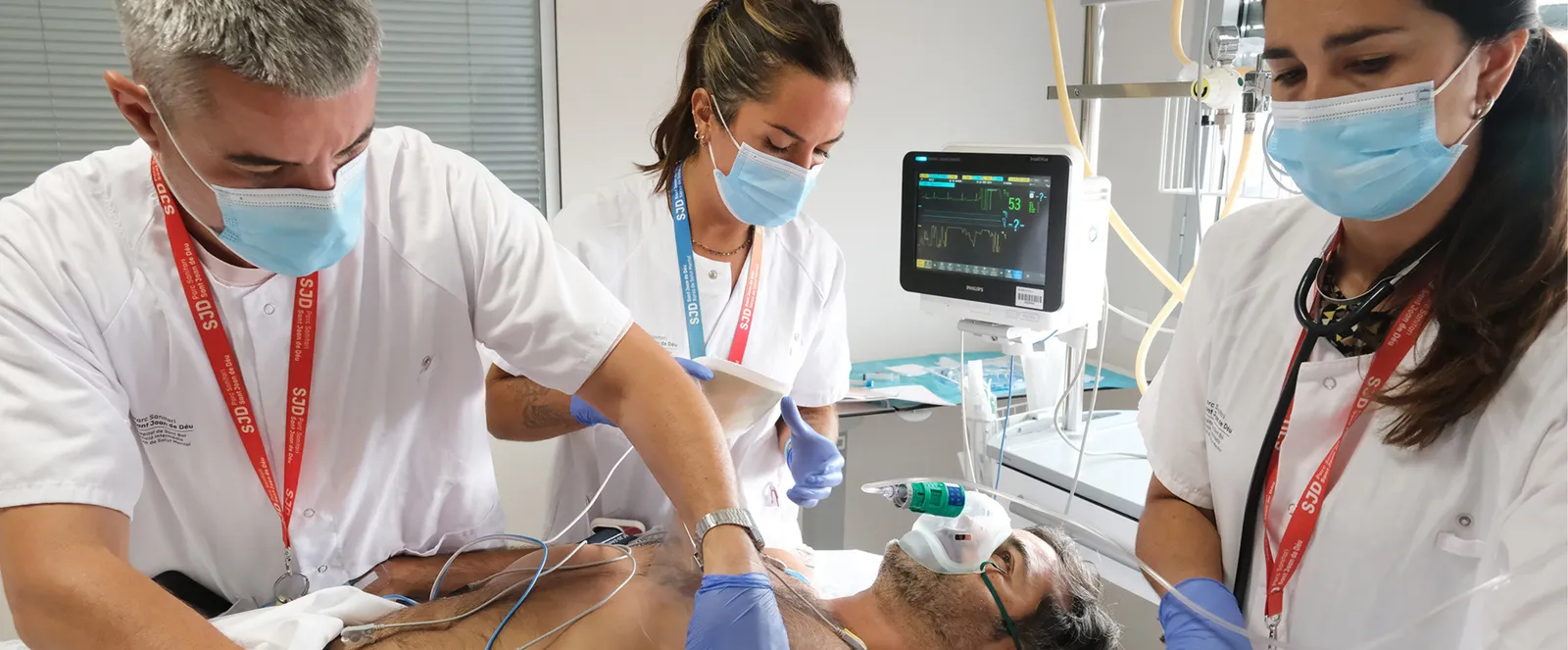
The Spanish Society of Pediatric Hematology and Oncology (SEHOP) established the ReALLNet (Relapsed Acute Lymphoblastic Leukemia Network) in 2021 to improve the diagnosis and treatment of children with relapsed acute leukemia. To date, the initiative has enabled the detection of high-risk genetic alterations and facilitated personalized treatments that have already achieved remission in cases with limited alternatives.
Acute lymphoblastic leukemia (ALL) is the most frequent malignant disease in childhood. While the overall survival rate in Spain is 85%, it drops below 50% for patients experiencing relapse or not responding to chemotherapy. ReALLNet brings together experts from all Spanish centers treating childhood cancer to utilize precision medicine and artificial intelligence.
The network is coordinated by Pablo Velasco, a pediatrician at the Vall d'Hebron University Hospital and researcher at VHIR, and by José Luis Fuster, head of the Pediatric Oncology and Hematology Service at the Virgen de la Arrixaca University Clinical Hospital. It is supported by the Josep Carreras Foundation (1,400,000 euros) and the Unoentrecienmil Foundation.
The primary objective is to ensure all patients have access to the same diagnostic and therapeutic opportunities. Dr. Velasco notes that the relapse rate for ALL is 13% (around 50 cases annually), rising to 30% for myeloid leukemia (15 new cases/year), totaling approximately 60-70 annual cases. Dr. Fuster adds that after the first relapse, the chances of long-term survival decrease to below 50%.
Since 2021, the initiative has built a collaborative infrastructure integrating clinical specialists, researchers, experts in genetics, bioinformatics, and AI, as well as representatives from patient family associations. It has established the largest Spanish registry for pediatric leukemia relapses, with over 400 patients. More than 80 children have undergone advanced precision medicine techniques.
Preliminary results indicate that these technologies have identified high-risk genetic alterations and enabled personalized treatments, achieving remission in some cases with limited therapeutic options. Innovations from ReALLNet are also being transferred to research platforms beyond Spain.
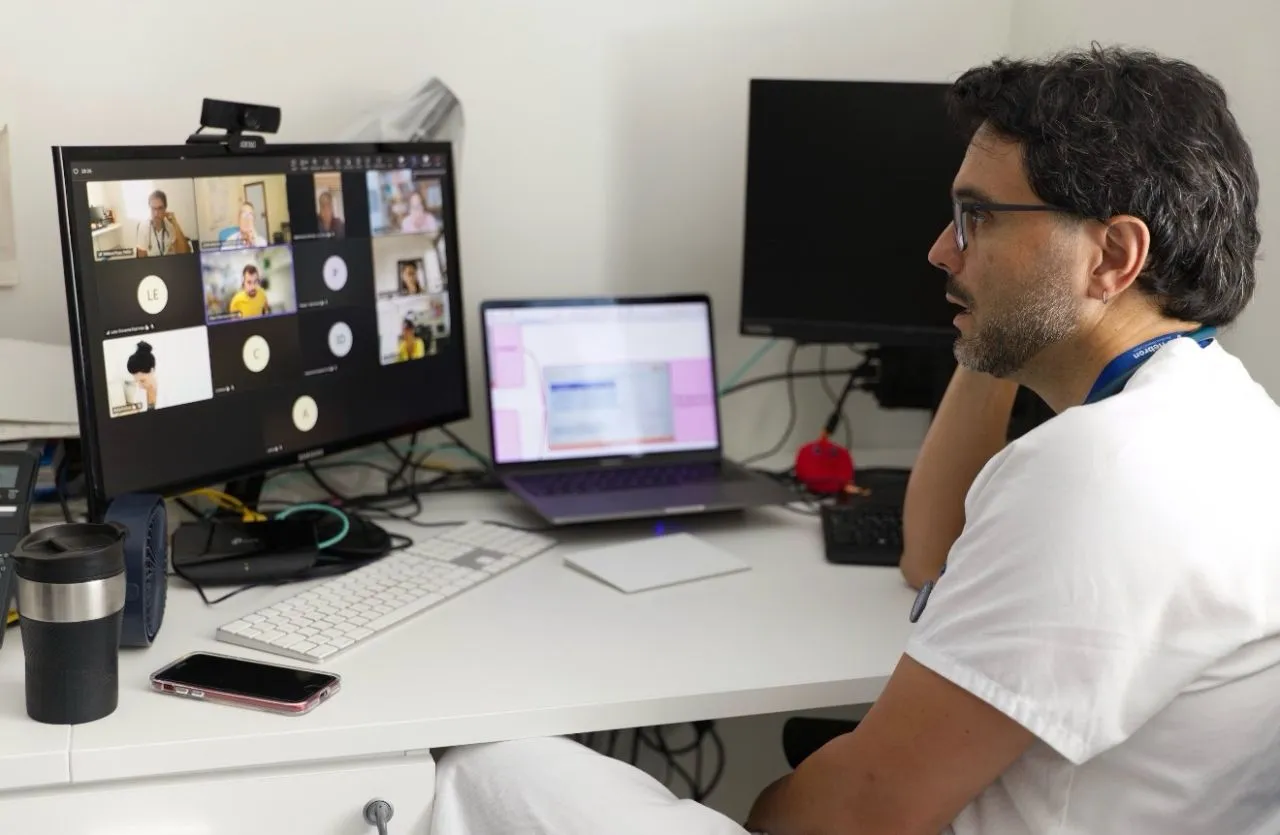
Complex cases are reviewed weekly by a national multidisciplinary committee and sometimes by European expert panels. A ReALLNet working team has developed a pioneering algorithm in Europe to identify the best clinical trial for pediatric cancer patients.
Dr. Pablo Velasco highlights ReALLNet as Spain's largest collaborative platform for addressing childhood leukemia relapses, combining precision medicine, AI, and inter-hospital cooperation. Concurrently, ReALLNet is developing AI tools to analyze large volumes of clinical and biological data, generate predictive response models, and facilitate the identification of suitable clinical trials.
Antoni Garcia, manager of the Josep Carreras Foundation, emphasizes that the initiative "marks a turning point in the fight against childhood leukemia in Spain," providing a coordinated and cutting-edge response. Elena Huarte-Mendicoa, director general of the Unoentrecienmil Foundation, adds that they supported the vision of integrating AI for more accurate predictions.