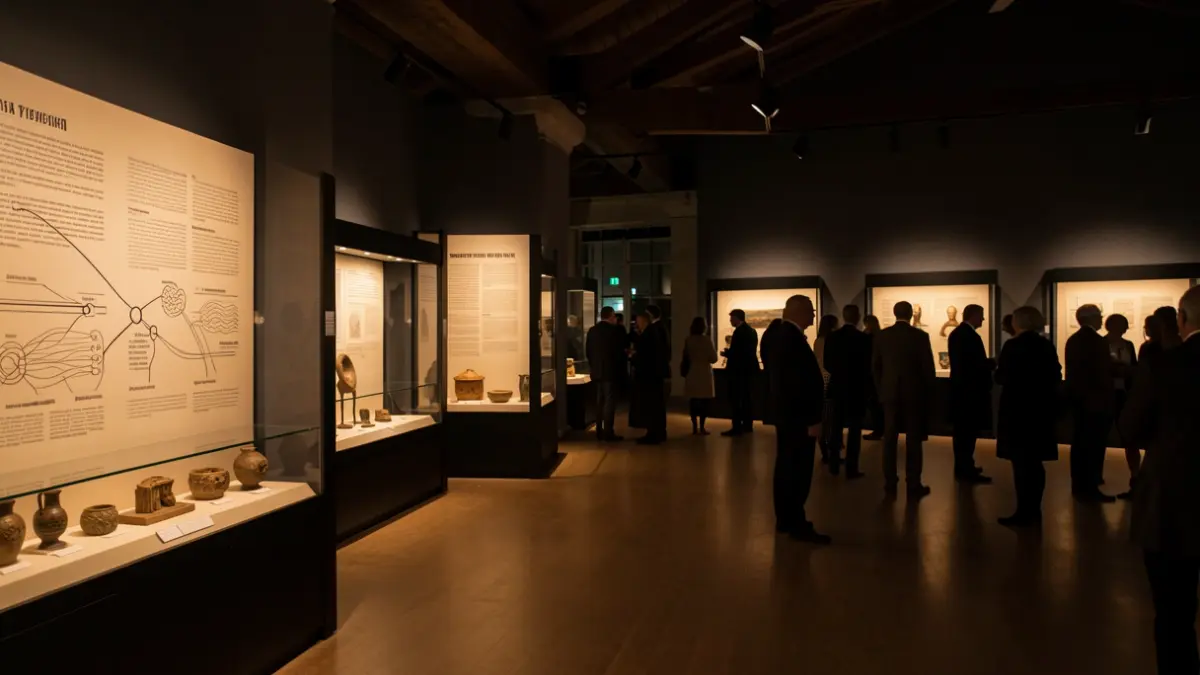
The exhibition, which traced six centuries of the Romani people's presence in Catalonia since their arrival in the 15th century, has concluded its run, leaving a legacy that transcends its halls. The project stood out for its combination of historical research with extensive oral history work, incorporating the voices and experiences of over 170 individuals interviewed across Catalonia and Languedoc, including significant testimonies from the Barri de la Mina.
This oral history material has served as the foundation for the documentary Amaro Drom. Veus i memòria del poble gitano, produced by the Museu d’Història de Catalunya. The film, premiering today, October 6th, at 7:30 PM at Cinemes Girona in Barcelona, transforms the collected testimonies into the narrative thread of a seventy-seven-minute audiovisual story. The title, meaning 'our path' in Romani, underscores the project's continuity and its commitment to telling this history through the people who shape it.
The exhibition, which was extended by a month and a half, covered the origins of the Romani people, their arrival in Catalonia, the persecutions and discrimination they endured, and their survival strategies, as well as the diversity and advocacy for the memory and rights of the Romani people today. With the documentary Amaro Drom, these voices continue to resonate, opening a new avenue to bring this history to a wider audience.