Fifty years ago, in 1976, a group of women, many accompanied by their young children, staged a sit-in protest at the parish of Sant Andreu de Palomar in Barcelona. The action, which lasted 28 consecutive days and involved around 300 people from various metropolitan towns, was one of the most unusual protests of the Transition period and has had limited recognition in official historiography.
The initial goal of the sit-in was to demand the reinstatement of the husbands, who had been massively laid off from Motor Ibérica, the manufacturer of Ebro trucks. Most of the participants had no prior union experience or political affiliation and faced misunderstanding from some of their own husbands. One woman was even reported for deserting her home.
The experience became an unexpected school for feminism and democracy. The participants organized themselves to cook, eat, sleep, debate, and care for the children within the parish, supported by the residents of Sant Andreu and the priests, Josep Camps and Ignasi Pujades, who were linked to liberation theology. The solidarity of the neighbors was crucial, with numerous donations sustaining the action.
Despite the women's determination, the initial objective of reversing the dismissals was not achieved. The press covered the event minimally, although international media like Swedish television showed interest. The protest was eventually dispersed by the police, a moment that caused fear among the participants, who tied themselves to their children to avoid losing them.
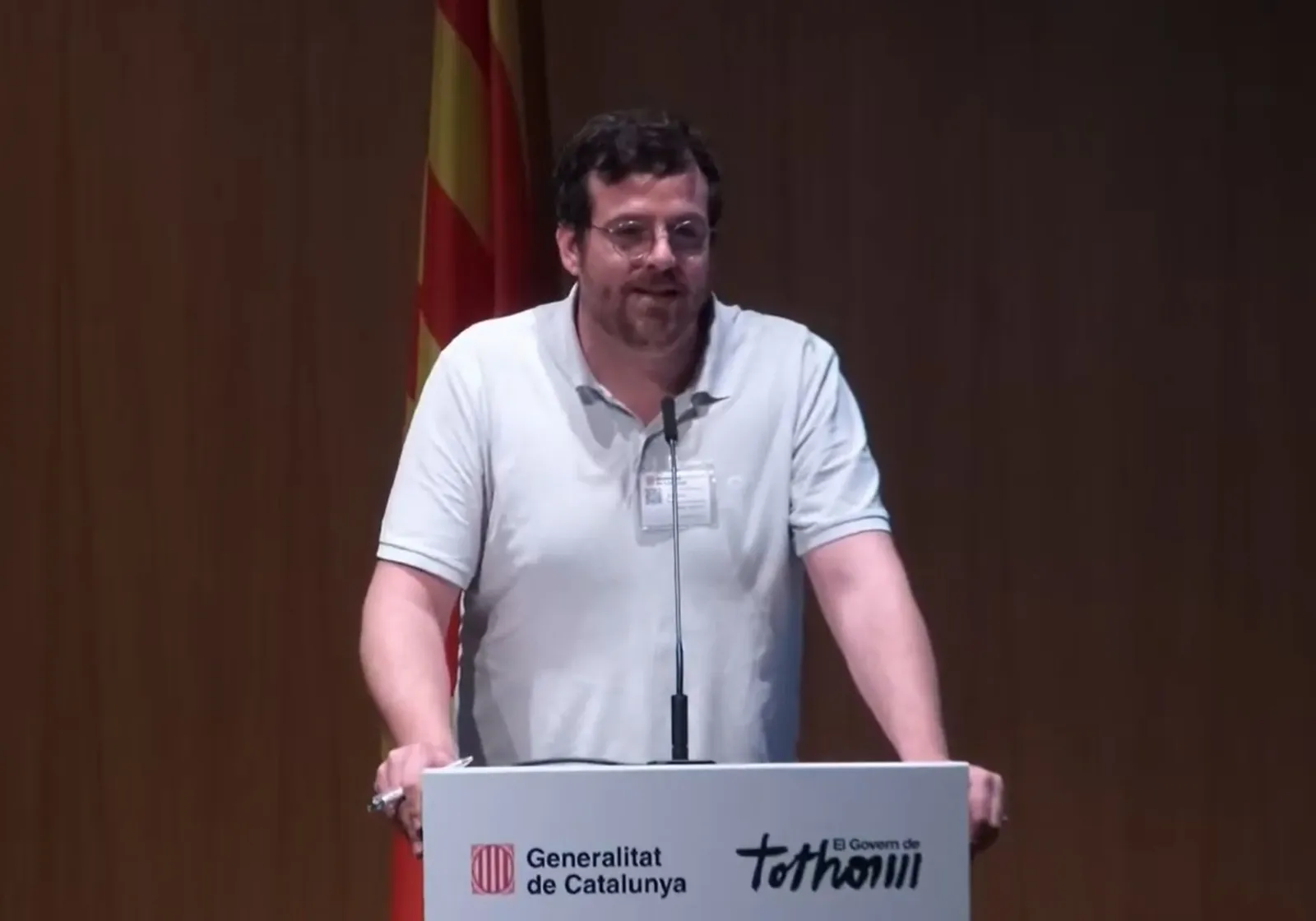
Half a century later, some of the protagonists, such as Maruja Ruiz Martos and Mercedes López Ramírez, have recalled that experience at a recent event held in the same parish. They highlighted the importance of community solidarity and how the action raised their awareness of their role in society and the construction of democracy. Historian Pau Vinyes i Roig and photographer Pilar Aymerich also participated in the tribute, remembering the women's strength and organization.
“"We had to make a splash, do something novel to get them to pay attention, because it seemed like nobody cared about those dismissals."
“"How many sweets did you eat those days, huh!"
Lawyer and former deputy Magda Oranich noted that, although the husbands did not regain their jobs, the main success was the women's growing awareness of their potential as active protagonists in society. Many of them later became involved in neighborhood associations, political parties, and unions, marking a turning point in the fight for equality.