This Monday afternoon, the creation of the steering group for the Public Transport Museum was formalized, chaired by the First Deputy Mayor, responsible for Urbanism, Mobility, Climate Action, and Neighborhood Plan, Laia Bonet. This group, agreed upon in late August during a meeting at the City Council chaired by Mayor Jaume Collboni, is composed of about ten people and entities.
The main objective of this collective is to carry out a shared reflection on the conception of the future facility. This reflection will involve the participation of individuals, organizations, and associations closely linked to the city's heritage and the fundamental values of public transport and sustainable mobility.
“"The City Council is fully committed to the Public Transport Museum, a historic opportunity to realize a social demand of recent years."
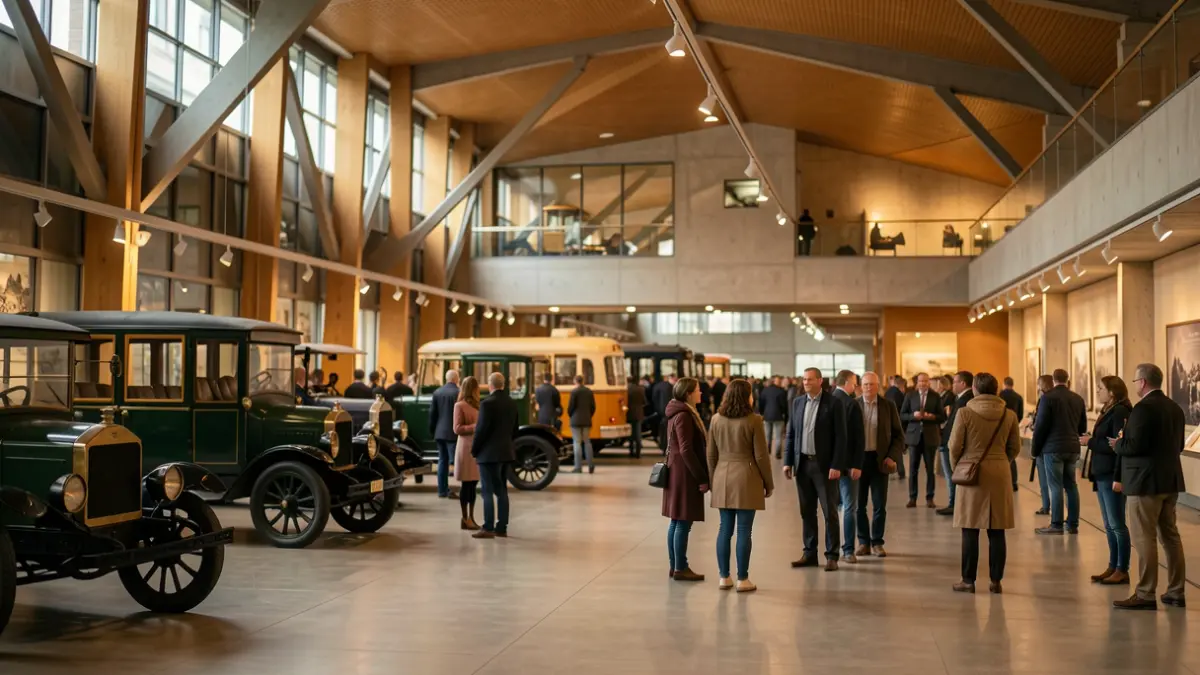
The future facility will have its main headquarters on the Vall d’Hebron plateau, an area that will undergo significant transformation in the coming years. This location, well-connected by metro and bus networks, will serve to "reflect on public transport both in terms of heritage and as a tool for social cohesion," Bonet added.
The project also includes the creation of a second exhibition space, following the model of other cities like London. This space would open on special dates or by demand and would house a significant portion of the historic vehicles.
The steering group includes municipal representatives such as the Chief Architect and Chief Engineer of the City Council; the CEO of TMB; the top officials from the College of Civil Engineers, Canals, and Ports and the College of Industrial Engineers; the Museum of History of Barcelona; the Directorate General of Cultural Heritage of the Generalitat; and the Metropolitan Area of Barcelona. Entities such as the Coordinating Association for the Transport Museum and PTP, Public Transport Promotion, as well as groups of retired bus and metro workers, also participate.