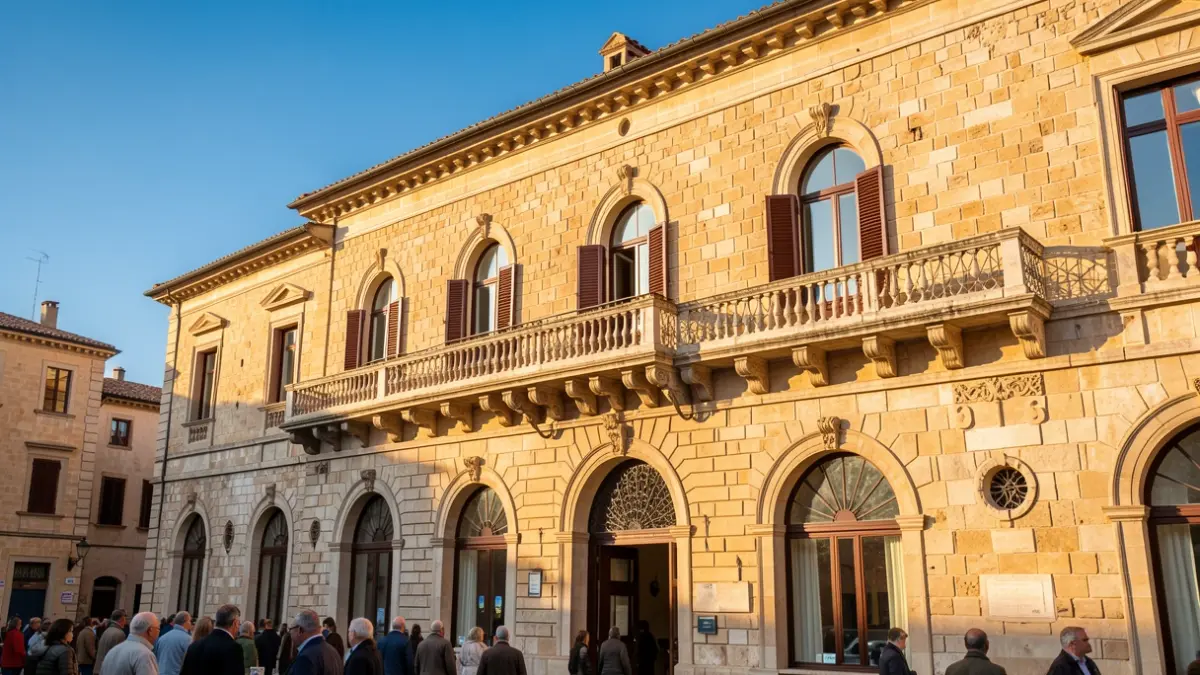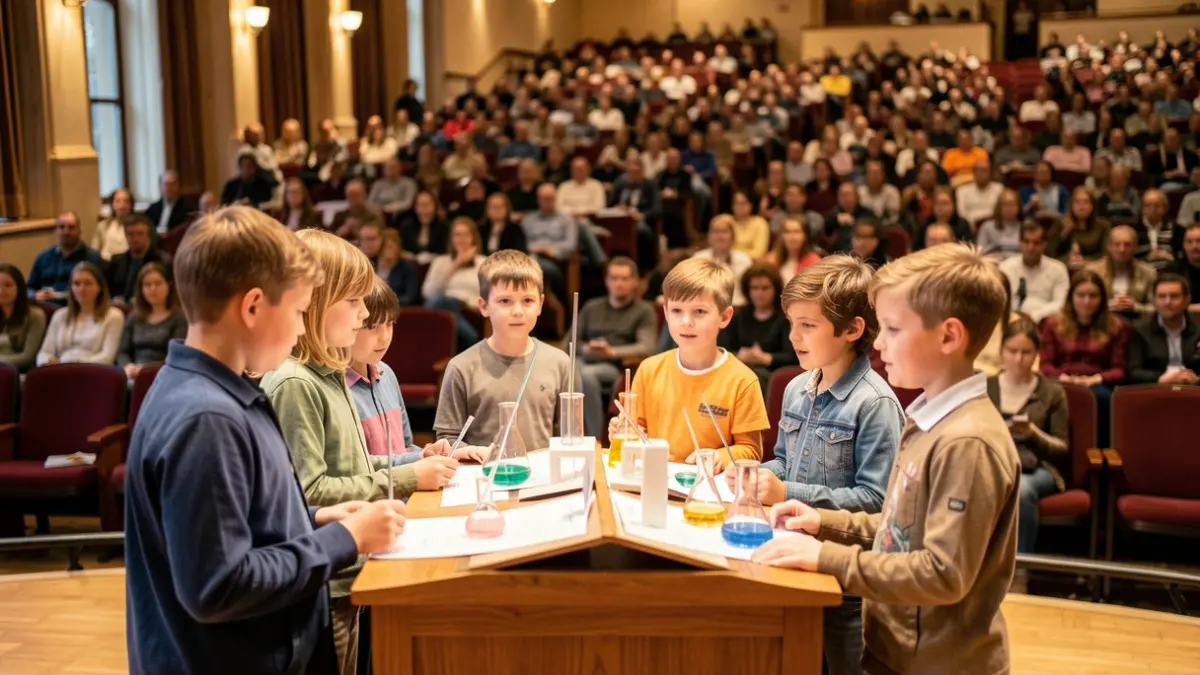
The Barradas Auditorium was filled with students from five city schools who, in groups, presented the work and experiments they had carried out in class throughout the academic year. This marks the conclusion of the sixth edition of Little Scientific Talents in L'Hospitalet, which this year focused on the functioning of the human body.
Students presented projects such as 'Genetic Inheritance,' explaining why siblings differ despite having the same parents, or experiments to test the differences between children's and adults' teeth, or which tube best represents the human esophagus. The pupils highlighted the fun and learning derived from conducting numerous experiments.
The Little Scientific Talents program, organized by the Catalan Foundation for Research and Innovation (FCRI) and implemented in L'Hospitalet schools by the City Council, provides centers with pedagogical resources and guidance to foster participatory and creative teaching methodologies in the classroom.
Teachers noted the students' high motivation with the program, which allows them to learn complex concepts, such as the body's processing of food, through stories and practical experiments.
This initiative is part of the municipal strategic plan LH ciència, aiming to promote scientific vocations and critical thinking. Throughout the year, nearly 500 students from 7 educational centers in the city have participated in the program.