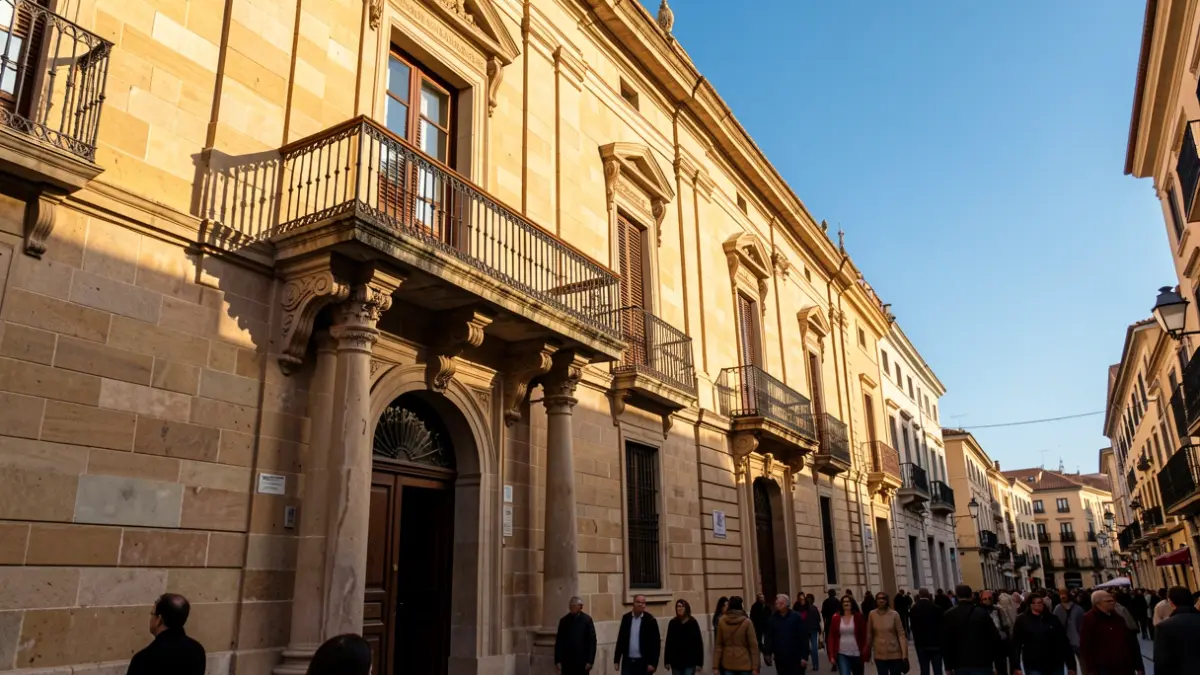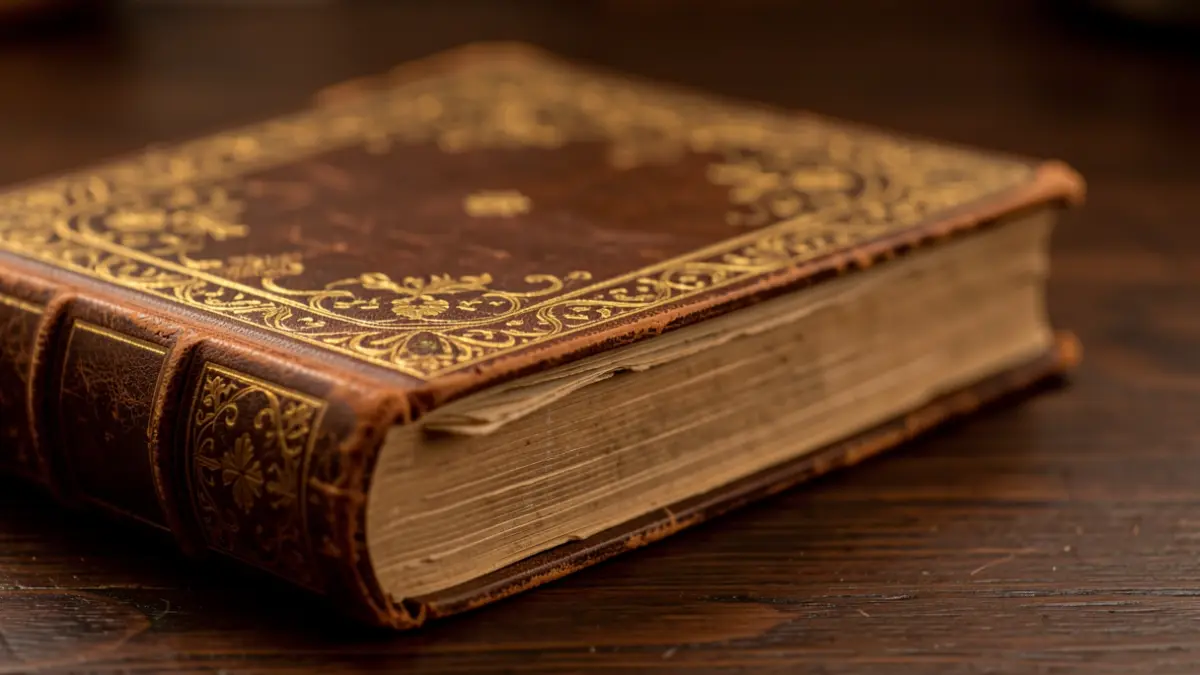
The novel, published by Columna, offers a journey into the 19th century, focusing on the figure of the 'indiano' – an individual who ventures to the West Indies and returns with wealth and influence. Anglas explains, "I had never touched upon this era before, but the figure of the indiano has always fascinated me."
The author emphasizes the need to contextualize this enrichment within the colonial economic system based on the exploitation of slave labor. "We hope to shake things up and demonstrate that without their coexistence with the colonial economic system based exclusively on slave labor, they would not have become rich," he states. For his research, he has primarily relied on the work of Martín Rodrigo y Alharilla, considered the historian with the most studies on the period.
Anglas also reflects on current affairs, pointing out that "we are living in the era with the most slaves in history; there is still a great lack of freedom," and notes that nearly half of these slaves are women, subjected to forced marriages and sexual exploitation.
The narrative begins in Cuba in 1852, amidst a cholera epidemic and in a pre-independence context. The protagonist, Luis Massó, an ex-slave described as a "multifaceted character," moves to Barcelona with the family of Antonio López. The story unfolds in the Catalan capital over two decades, spanning from 1868, with La Gloriosa and the dethronement of Isabel II, to the Universal Exposition of 1889.
Regarding future projects, Pere Anglas already has another novel planned and is keen to stage a play with 20 characters that he has wanted to produce for years.