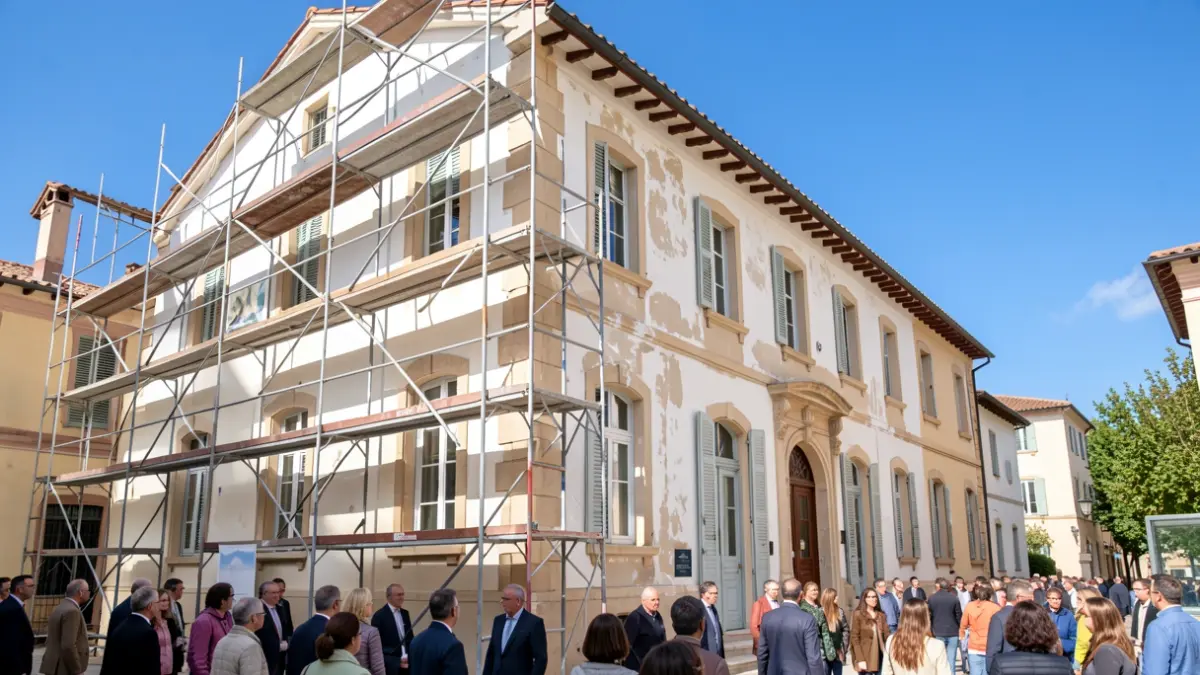
The Barcelona Biomedical Research Park (PRBB) commemorates its first 20 years, establishing itself as a key hub in European biomedical research. Since opening its doors on May 15, 2006, the PRBB has aimed to bring together multidisciplinary talent, becoming a globally recognized scientific ecosystem through a model based on collaboration between independent institutions.
During the institutional ceremony, the mayor of Barcelona, Jaume Collboni, emphasized the PRBB's importance for the city's leadership in long-term transformation projects that contribute to the well-being of citizens and the planet.
The park asserts that research excellence relies not only on the talent of investigators but also on a sophisticated technical and organizational structure. Currently, the PRBB hosts eight centers with 1,700 employees from 65 countries, 60% of whom are women. Notably, 70% of the staff are not principal investigators or postdocs, but professionals dedicated to scientific-technical services, project management, maintenance, and administration – a crucial group for scientific progress.
The PRBB's General Director, Jordi Camí, highlighted the contribution of this often anonymous staff who facilitate scientific discovery. Furthermore, the park claims its legacy over the first 20 years lies in its model of coexistence and collaboration among resident centers, sharing spaces, services, and scientific culture.
The Director of Communication and Institutional Relations, Reimund Fickert, noted that this "radical collaboration" is one of the elements that best defines the park's identity.
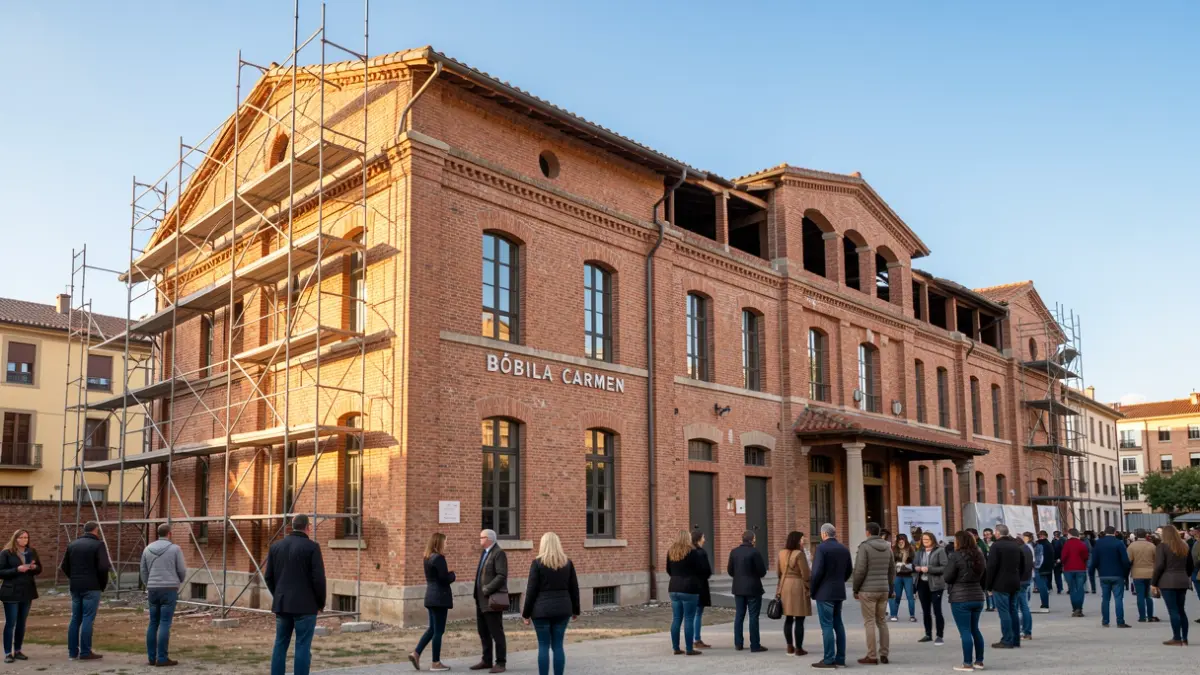
Looking ahead, the project for a new building at the Mercat del Peix, focused on precision medicine, was presented. The Institutional Commission of the Ciutadella del Coneixement will be established soon to drive this strategy. Mayor Collboni reiterated Barcelona's commitment as a "city of science," linking it to creating opportunities and guaranteeing access to knowledge and talent, particularly through housing.
The PRBB also plans to adapt its infrastructure and services to new research trends, such as digitalization, data-intensive research, and transformation driven by artificial intelligence.