The suspension of the Rodalies network following the fatal accident in Gelida has highlighted the poor state of the infrastructure, and Renfe does not expect to recover full normality until April. This situation has also affected high-speed rail, forcing Adif to agree with operators (Renfe, Ouigo, and Iryo) to slow down the service.
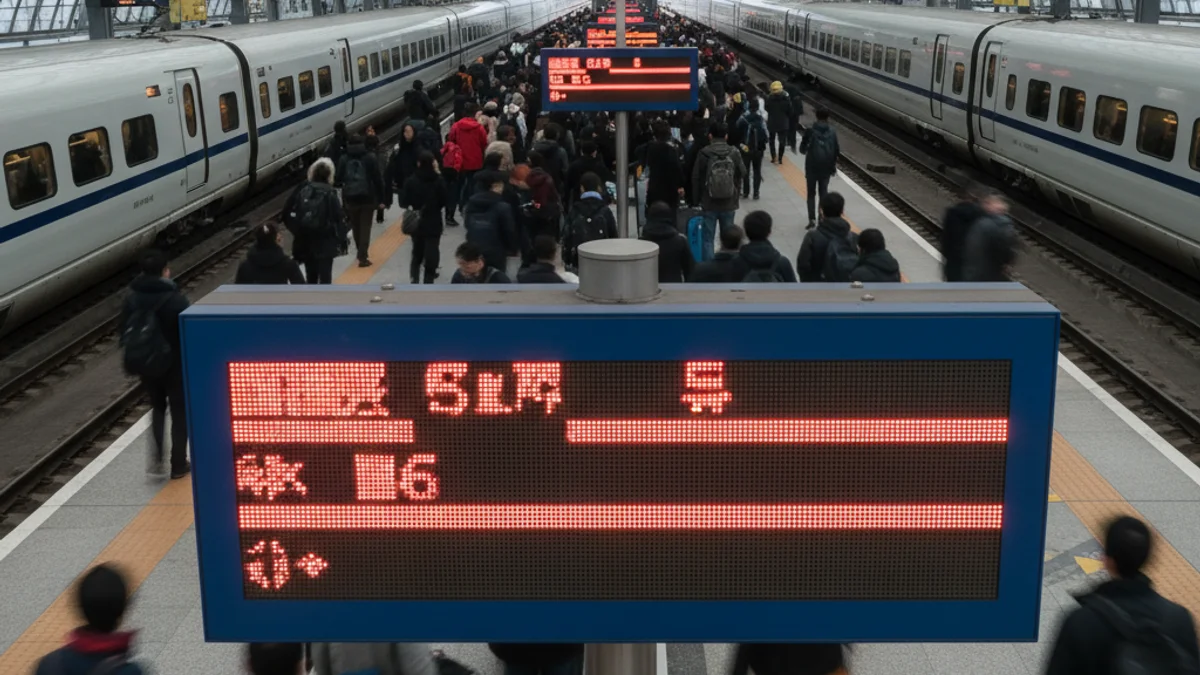
The decision to extend the Barcelona-Madrid journey by 25 minutes, initially planned for only a few days, has been extended until the end of the year to guarantee track maintenance work. This measure adds to the already common delays, causing indignation among passengers at Sants station.
“"Trains are systematically late, and now the journey will be 25 minutes longer... They can say what they want, but this has little to do with high speed."
At Sants station and in Girona, regular users, such as Júlia and Dani, face longer queues and have organized themselves into Telegram channels to get updated information, as official Renfe applications are unreliable. The Barcelona-Girona journey, normally 38 minutes, now averages 50 minutes.
Adding to this uncertainty is the concern over the train drivers' strike scheduled from February 9 to 11, which will force minimum services. Users like Marta wonder if they will be relocated or if they will lose tickets purchased for the affected trains.