The project, currently in an initial phase of seeking patronage and alliances, aims to highlight the economic and symbolic power of the perfume sector in Catalonia. Consultants Elvira Hernández and Irene Gisbert have presented a confidential dossier to the main Catalan companies and institutions to secure their involvement.
“"Barcelona has a great tradition as a creative and industrial center for perfumery; we must work to make the city a global hub."
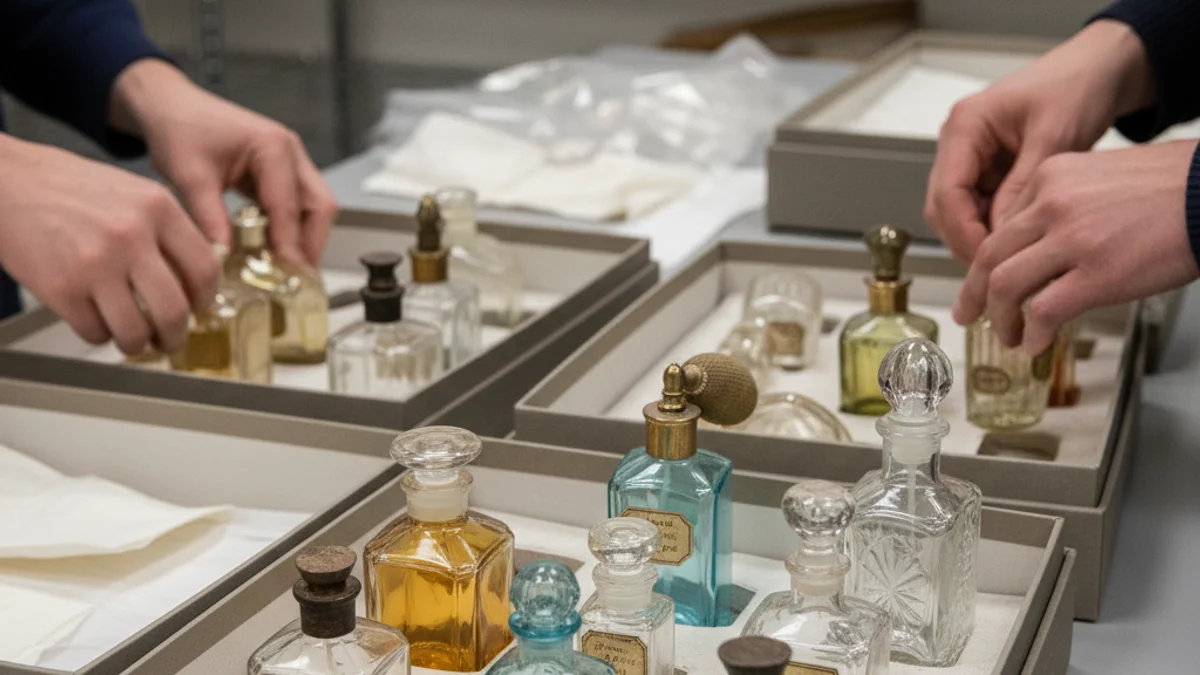
The private collection of Regia, safeguarded by the Planas Family, contains over 5,000 pieces spanning from ancient Egypt to the globalization of the 20th century. Among the treasures are Etruscan essences, unguentaria, and, as the jewel in the crown, an essence holder that belonged to Queen Marie Antoinette.
The lawyer Ramon Planas, married to the Regia heiress, opened the museum in 1963 and acquired unique pieces, including a crystal container that Princess Grace Kelly of Monaco gifted him on the occasion of her wedding.
The promoters dismiss the idea of a “purely objectual” museum and advocate for innovative multimedia formats that offer a real olfactory experience. The goal is to educate and raise awareness about the sense of smell, using an experiential exhibition as a public pilot, which could launch, at the earliest, in 2027.