In a society moving at an increasingly rapid pace, the feeling of constant pressure has become normalized, an inherent part of daily life. This reality is the starting point for Kit de supervivencia emocional, the book where Joan Piñol, a psychologist and emotional well-being expert, and Joan Miquel Capell, head of the Prevention and Security Cabinet of the Diputació de Barcelona and former commissioner of the Mossos d'Esquadra, break down the keys to understanding and combating stress.
“"We live so fast that many people no longer perceive stress as a problem, but as something normal in life."
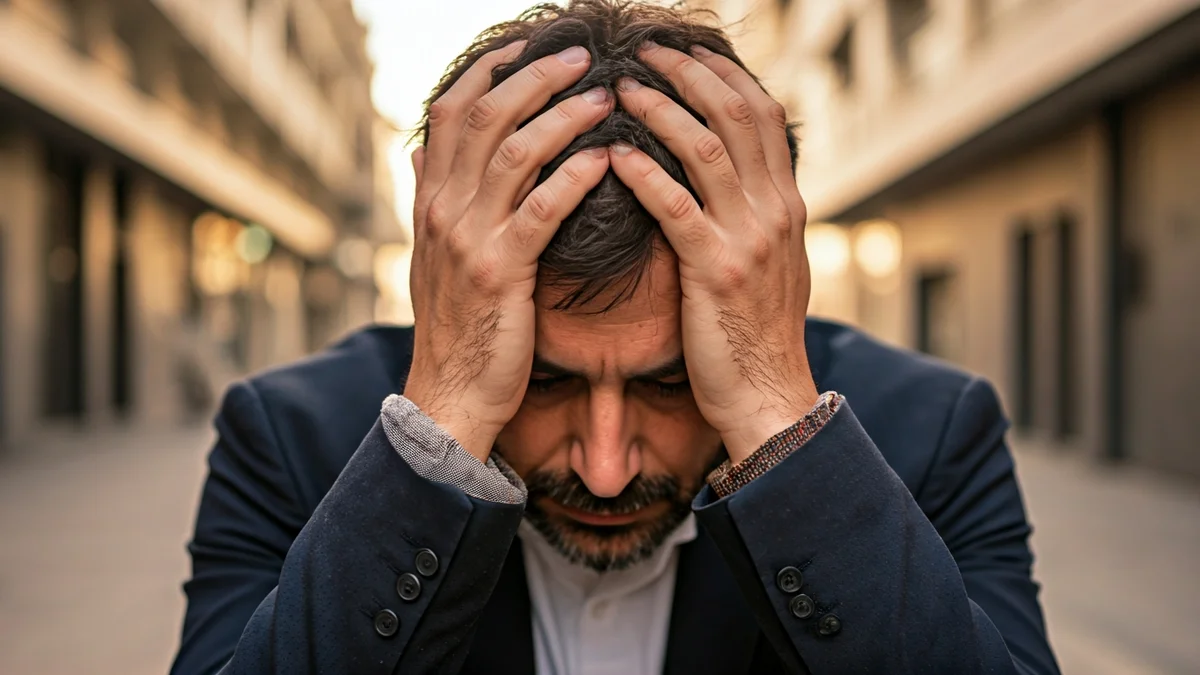
The World Health Organization (WHO) defines stress as the set of physiological reactions that prepare the body for action. The book's authors describe it as a necessary response for survival, an 'internal alarm' activated by potential threats. However, the problem arises when this activation is sustained over time, transforming into 'negative stress,' which can affect physical health and emotional well-being.
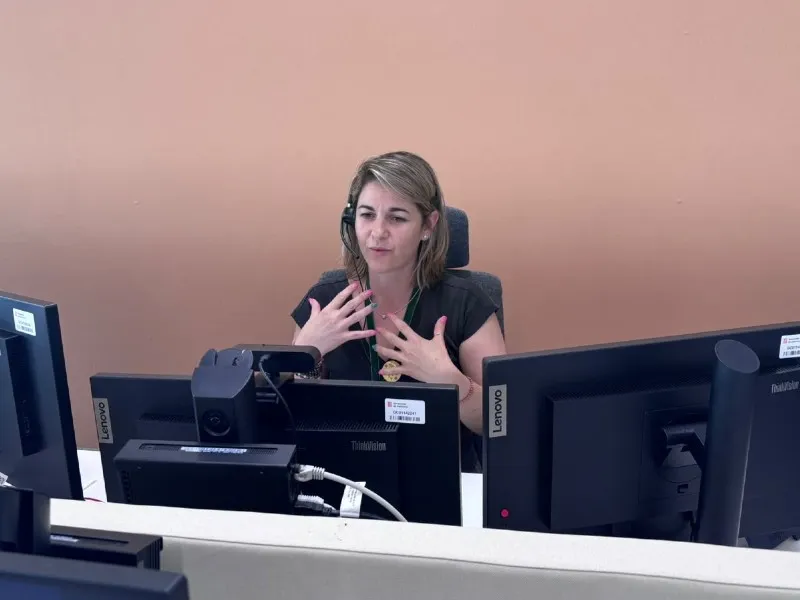
The book also focuses on high-emotional-impact professions, such as police, healthcare workers, and teachers, where tension is not just a job but a lifestyle. The combination of irregular hours, workload, and constant danger can have significant consequences for sleep, rest, and personal relationships. Therefore, psychological support becomes a priority for these professionals.
Among the advice offered by Piñol and Capell to reduce stress, they highlight the importance of sleeping a minimum of six hours, getting daily sun exposure, connecting with nature, engaging in physical exercise, drinking water, and practicing relaxation techniques for proper breathing.