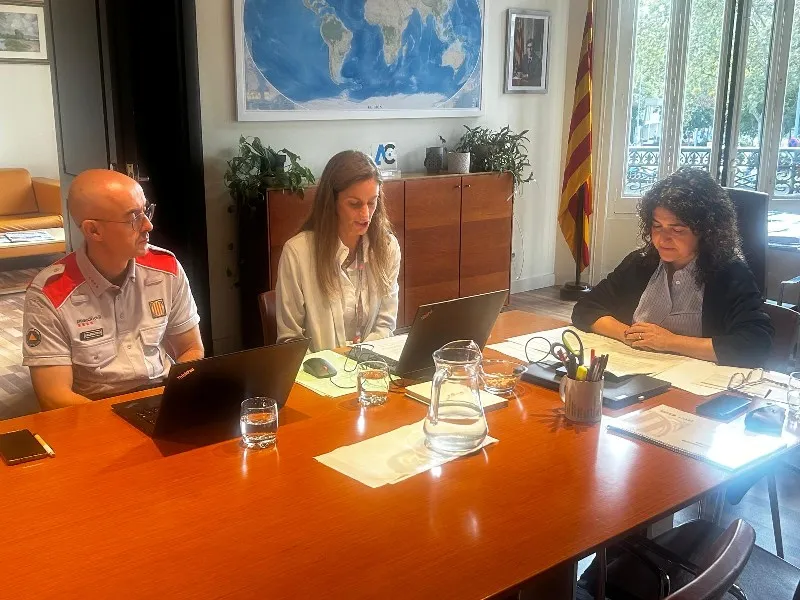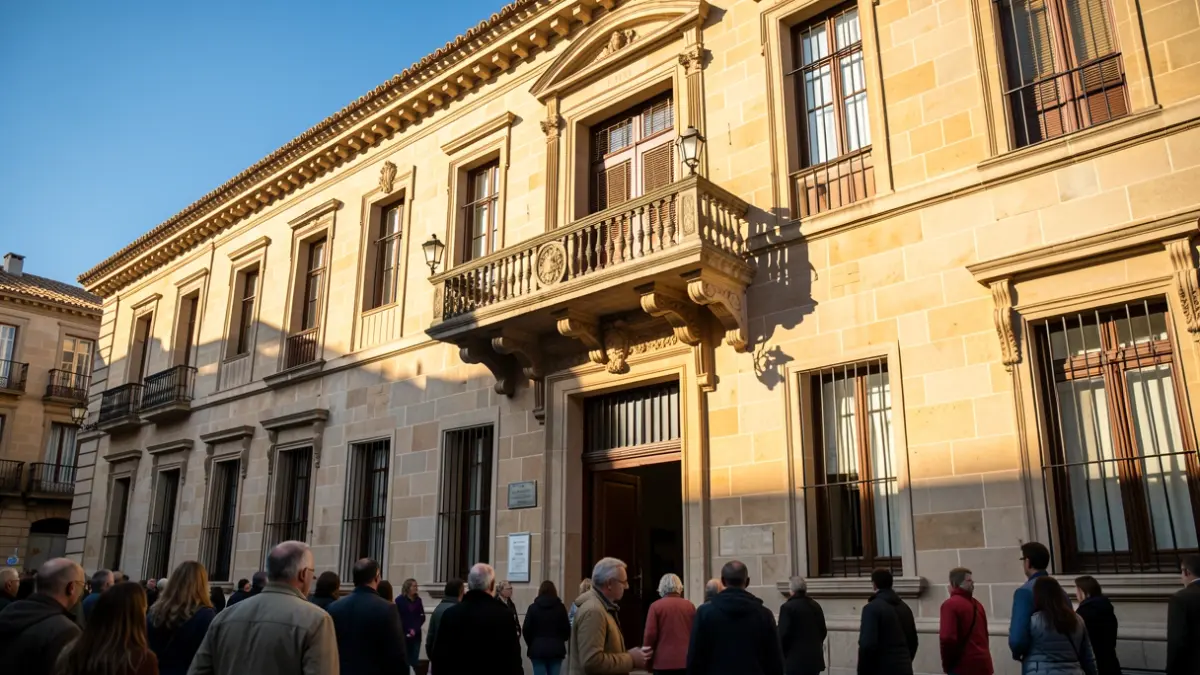
Protests by workers from various Barcelona City Council services, ongoing for months, have culminated in an extraordinary plenary session. Unions such as CGT, Intersindical, and Ábacos, representing around 2,000 employees, have called for the mobilizations. The conflict stems from the signing of the municipal agreement in January, which, despite implementing the 35-hour work week, has negatively impacted service provision.
On behalf of the municipal government, deputy mayor Albert Batlle defended the agreement, noting it was supported by the majority of union representatives and described the strike organizers as a "belligerent minority" that had "crossed red lines" with "unacceptable" conduct.
The council's second-in-command, Laia Bonet, reiterated that the agreement was voted in favor by 12 out of 15 union representatives and criticized the lack of improvement proposals from the organizing unions at the General Table.
The opposition, represented by Junts, Barcelona en Comú, ERC, and the PP, unanimously called for greater dialogue efforts from the municipal government. The parties highlighted "untenable ratios," "uncertainty," and "overwhelmed social services" as consequences of the current situation, urging to "strengthen public services with resources and stability".
In other news, the plenary also approved a proposal from ERC, agreed upon with the PSC and Comuns, to regulate tourist access to the batteries of Turó de la Rovira, in the Carmel neighborhood, to prevent overcrowding. Management will fall to the Museum of the History of Barcelona, although specific details of the limitation have yet to be defined.