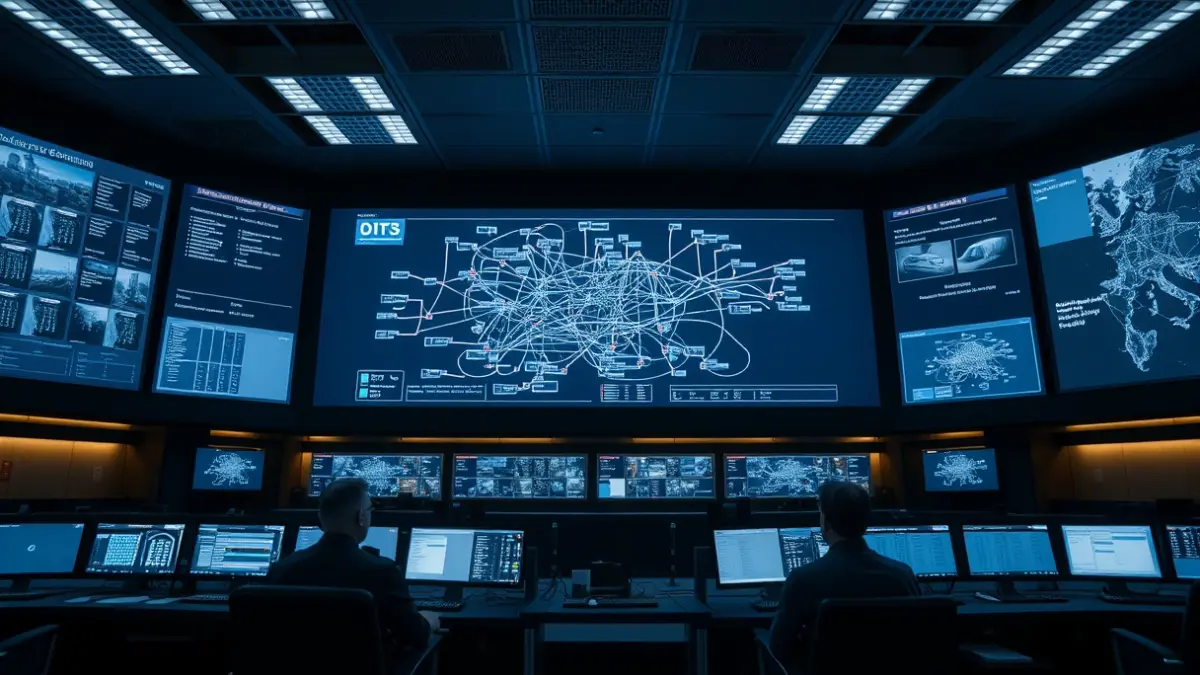
With a screen spanning over ten meters and fourteen workstations, the CRC monitors the real-time movements of more than a thousand trains daily. This center, which depends on Adif, opened its doors to showcase how the complex conventional network, which does not include high-speed rail, is managed.
The center became a subject of controversy last February when a double software failure paralyzed railway services in Catalonia. The centralized traffic control (CTC) systems simultaneously crashed due to a “software error,” leaving controllers without information and trains halted. This incident occurred shortly after a fatal accident in Gelida, just as normalcy was expected to resume.
“"What should never have happened, happened."
Technicians activated the emergency system, but the software also failed in this second instance. It was not the first time the center had experienced problems; similar failures affecting Rodalies services for hours had been recorded in September 2022 and 2015. On all occasions, the Government deemed the situation unacceptable and demanded guarantees to prevent future recurrences.
Currently, twenty professionals work per shift at the regulation center, including fourteen circulation managers, one technician, two inspectors, one multifunction position, and two circulation assistants. These teams monitor Rodalies and freight trains operating on the conventional network. The silence in the room, reminiscent of a library, testifies to the concentration required for this historic task, which has evolved from operators with telephones at each station to current technology.
The first centralized control was implemented in 1990 and has been continuously updated. New technologies allow CRC personnel to execute planned transport schedules, direct real-time circulation, and intervene remotely in case of incidents, minimizing human error. They can activate or deactivate track elements, signals, and switches. However, Adif still maintains operators at some stations, as a more efficient way to manage these tasks from the center has not yet been found. Maintenance work is also planned here, and graphics are designed for all trains crossing Catalonia.
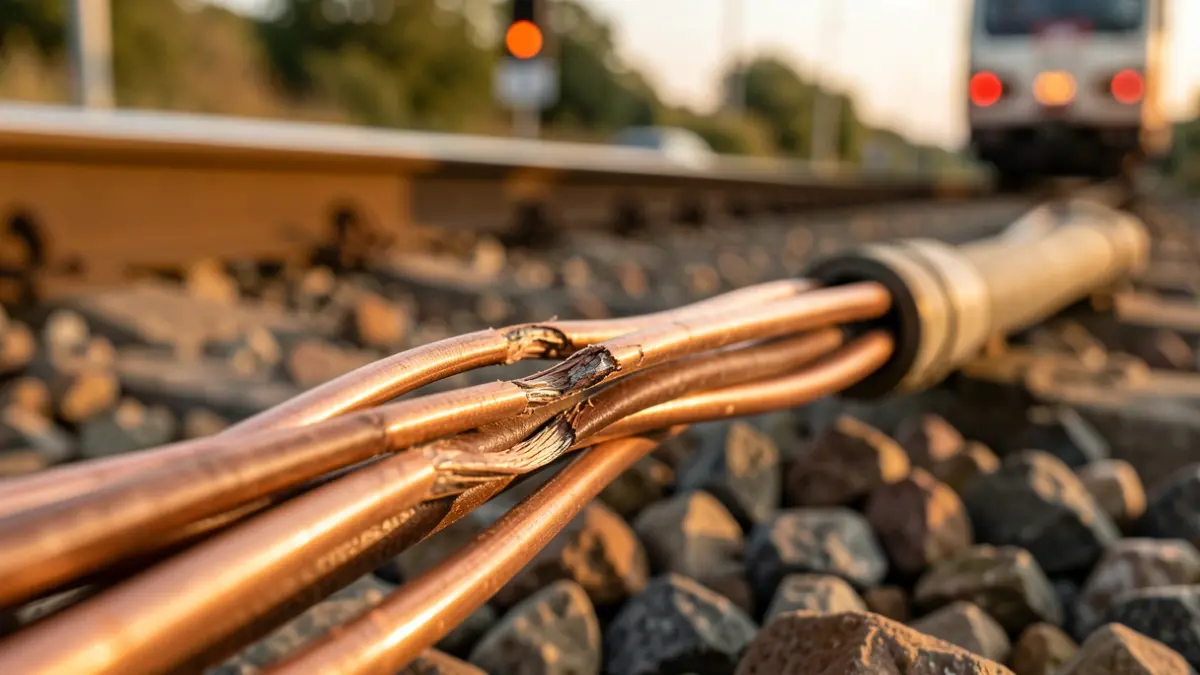
Despite advancements, the system still has limitations. Storm Harry, which affected Catalonia in late January, caught operators by surprise. Incidents such as cable theft or lightning strikes frying substations are detected by the system, which records voltage drops and alerts controllers. However, phenomena like landslides, rocks on the track, or fallen trees do not automatically appear on screens. Information is received through train drivers or security forces, such as the police or firefighters.
To address these shortcomings, Adif's Innovation and Development (R&D) department is working on incorporating sensors into conventional network tracks, similar to those already present on high-speed lines, to detect landslides. For fallen trees, beyond preventive felling, there is still no clear solution. Software remains a weak point. Following this winter's failures, Adif has requested explanations from the provider, Siemens, and has opened an investigation to audit potential compensation. The company assures that all necessary updates have been carried out and is confident that incidents will not recur. In the event of a new failure, the emergency plan, located in Sants, remains the same.