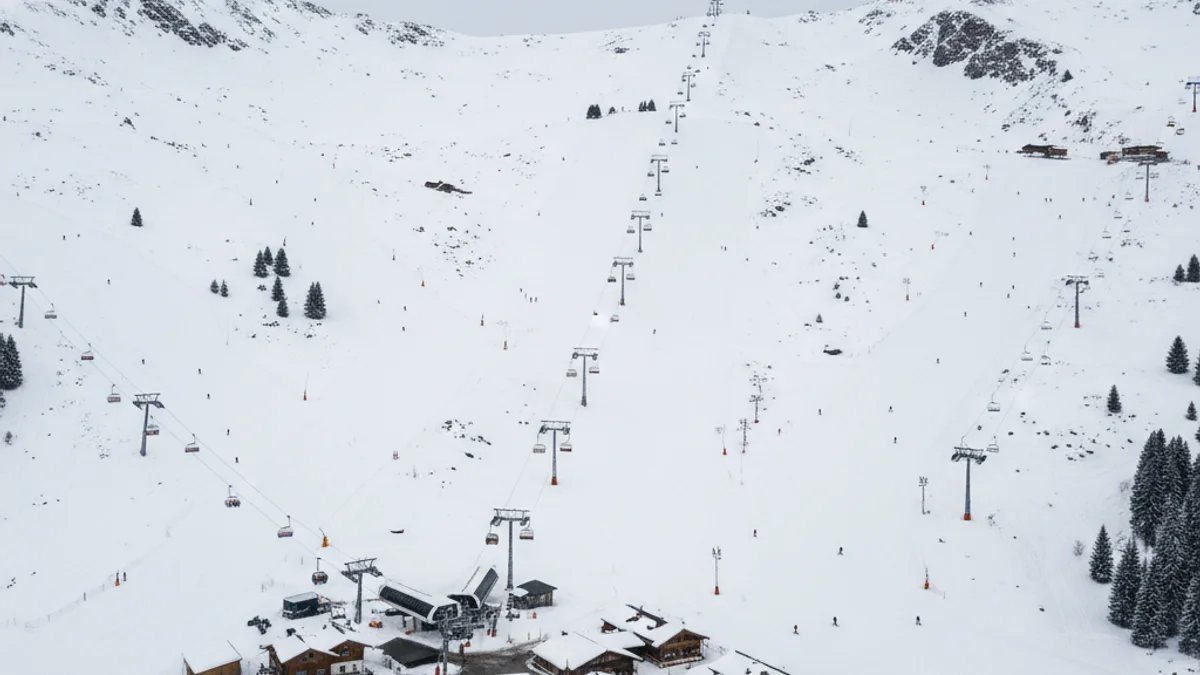
The signing entities, including Hostaleria de Lleida and the Girona Chamber of Commerce, point out that Catalonia is watching the Winter Olympic Games in the Dolomites (Italy) from the sidelines, after having dismissed winning proposals for 2026 and 2030. The Barcelona-Pyrenees 2026 bid was diluted until the former mayor of Barcelona, Ada Colau, definitively dismissed the project.
The text highlights the “contradiction” in treatment. While major events like the 1992 Games, the America’s Cup sailing race, or the 2030 World Cup were approved without a referendum, the proposal for the Pyrenees (2030) was subjected to a consultation that never took place. This shows that “when the center is the Pyrenees everything seems more debatable, more fragile, more dispensable”.
Applying the maximum level of rigor, restraint, and demand to territories with such different realities is not prudence: it is inequality.
The associations lament that the true tragedy is not the loss of the Games, but the lack of a clear and ambitious territorial project for the Pyrenees. While Barcelona and the coast need management and regulation, the Pyrenees need “projection, investment, narrative, and opportunities” to compete on equal terms.
The document concludes that the Pyrenees must stop being managed as a “postcard” and that its development is a collective responsibility of the country. They call for the rejection of populisms that “cry out against centralism while consolidating, with their decisions, the very abandonment they claim to combat”.