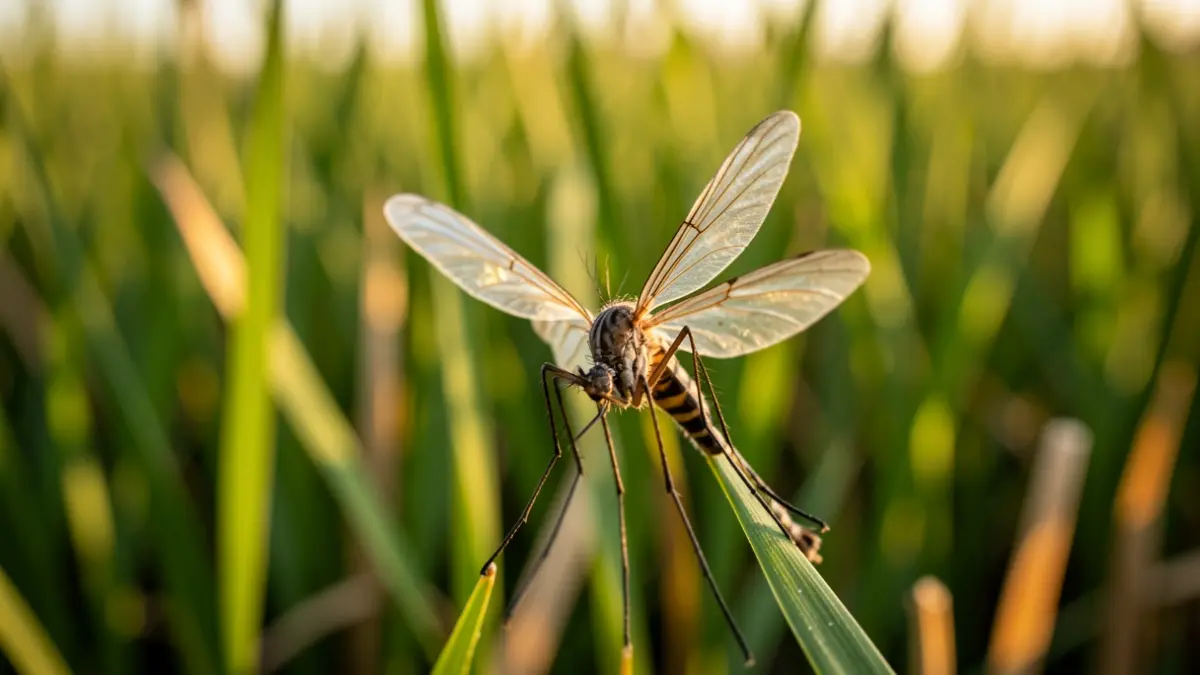
The virus's presence has been confirmed by RT-PCR in a sample of Culex pipiens mosquitoes captured in the rice fields of Castelló d'Empúries. The report from the Central Veterinary Laboratory of Algete, dated August 25, indicates a positive result for WNV lineage 2, while lineage 1 tested negative. Analyses also detected flaviviruses related to Japanese encephalitis and Ntaya virus, although the result for Usutu virus was considered inconclusive.
Following this detection, actions have been initiated to assess the virus's spread. These include sampling equines from farms near the detection point, increasing sampling frequency in a sentinel duck farm, and intensifying the search for dead or sick wild birds within a 10-kilometer radius. The Department of Health has informed local municipalities and issued preventive recommendations. Concurrently, the Mosquito Control Service of the Bay of Roses has enhanced entomological surveillance and conducted an aerial drone treatment around the affected area.
This situation adds to the previous WNV detection in Segrià. On July 27, a positive case was confirmed in a goshawk chick found in the Llacuna area of Vilanova de la Barca. This notification led to the activation of level 2 of the WNV Alert Plan in Catalonia. Given the history, veterinarians are urged to maintain special vigilance in equines and report any clinical suspicion, as this passive surveillance is crucial for monitoring the virus.
Preventive measures for equine farms focus on minimizing exposure to mosquito bites. The use of authorized repellents and the installation of mosquito nets in stables are recommended. It is also essential to reduce potential mosquito breeding grounds, such as avoiding water accumulation in containers or periodically emptying ponds and troughs. Equine vaccination with authorized vaccines is also a recommended preventive measure.