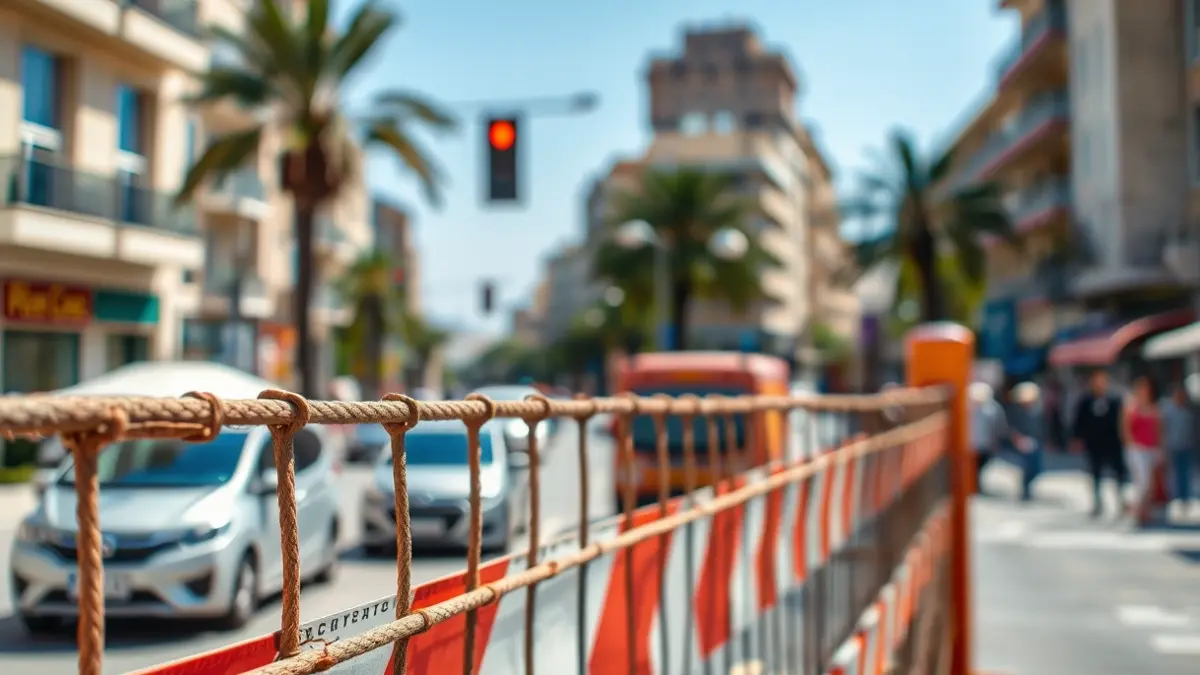
The urban reform of La Rambla, one of Barcelona's most emblematic tourist arteries, is expected to be largely completed by early 2027. Despite the inherent inconveniences of any project of this scale, most of the work will be finished, with only minor adjustments pending.
“"The works have reduced footfall by 20%, but concentrating people in less space. Turnover has dropped significantly during the construction, up to 75% when trenches were in front of establishments."
The decrease in turnover has been notable, especially when the works directly affected access to establishments. The Amics de la Rambla entity is working to attract new operators and promote quality commercial offerings, mediating with property owners to ensure a long-term vision for property revaluation.
The La Rambla Advisory Council has proposed boosting the cultural axis and creating social housing to attract residents. Projects such as those at the Capitol, the Foneria de Canons, and the Liceu Mar are underway, and the area will boast a wide range of theaters, live music venues, museums, and monuments.
Regarding commercial diversity, efforts are being made to improve the offering of souvenirs with Catalan and Barcelona identity, and to filter the excess of similar shops through the Plan de Usos. Currently, nine out of 230 establishments are closed, some of which had been unused since the pandemic.
Security and cleanliness have improved, but consistency is required. Crime decreases with police pressure, while insecurity rises with fewer officers. La Rambla, with its high volume of visitors, needs constant resources to maintain the quality of public space and coexistence between tourists and residents.