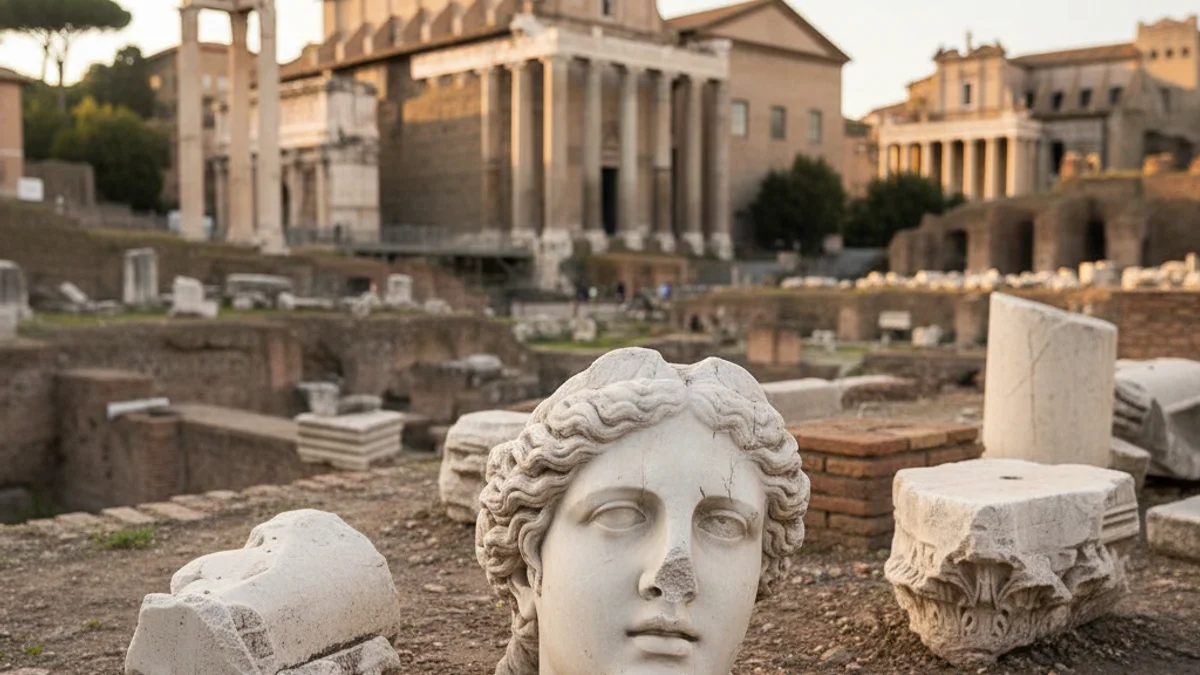
The study, led by Carreras from UAB, identifies the piece as the wife of Emperor Augustus. Detailed analysis of the eyes and hair fragments was key to the identification. This find is remarkable as it is rare for Roman cities to be named after women, highlighting her religious influence in the Iberian Peninsula.
“"The statue is very important because it links the name of the historical figure Livia Drusilla with this site and the town of Llívia."
Experts believe that Llívia was part of a network of cities named after the Empress, with similar locations in Turkey, Jordan, and Sicily. Future excavations at the site aim to uncover statues of Augustus and Tiberius to complete the imperial family group.