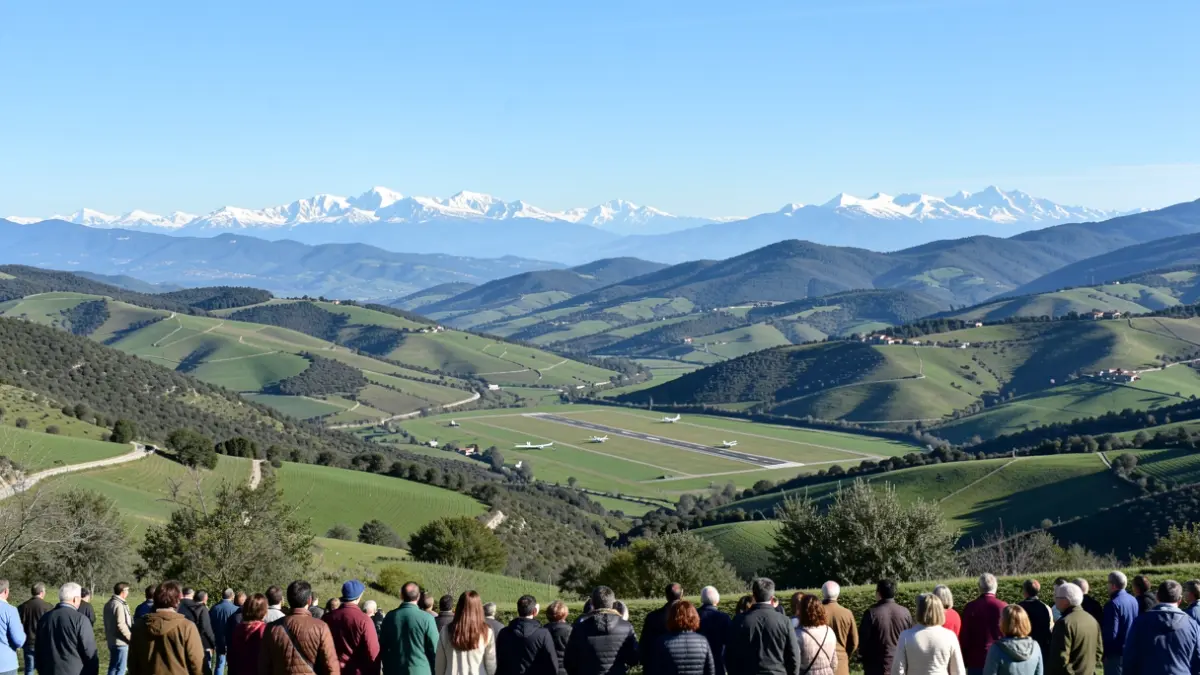
Several entities and around eighty citizens from Cerdanya have publicly released a manifesto addressed to the presidents of the Generalitat and the Consell Comarcal, voicing their opposition to the planned management model for the region's aerodrome. Promoted by the Institut d’Estudis Ceretans, the Grup de Recerca de la Cerdanya, Ceretània, Cerdanya en Acció pel Clima, the Associació veïnal Salvem la Molina, and SOS Pirineus, the document calls for a sporting and sustainable use of the infrastructure, as stipulated by the Aerodrome Urban Planning Master Plan (PDUAAC).
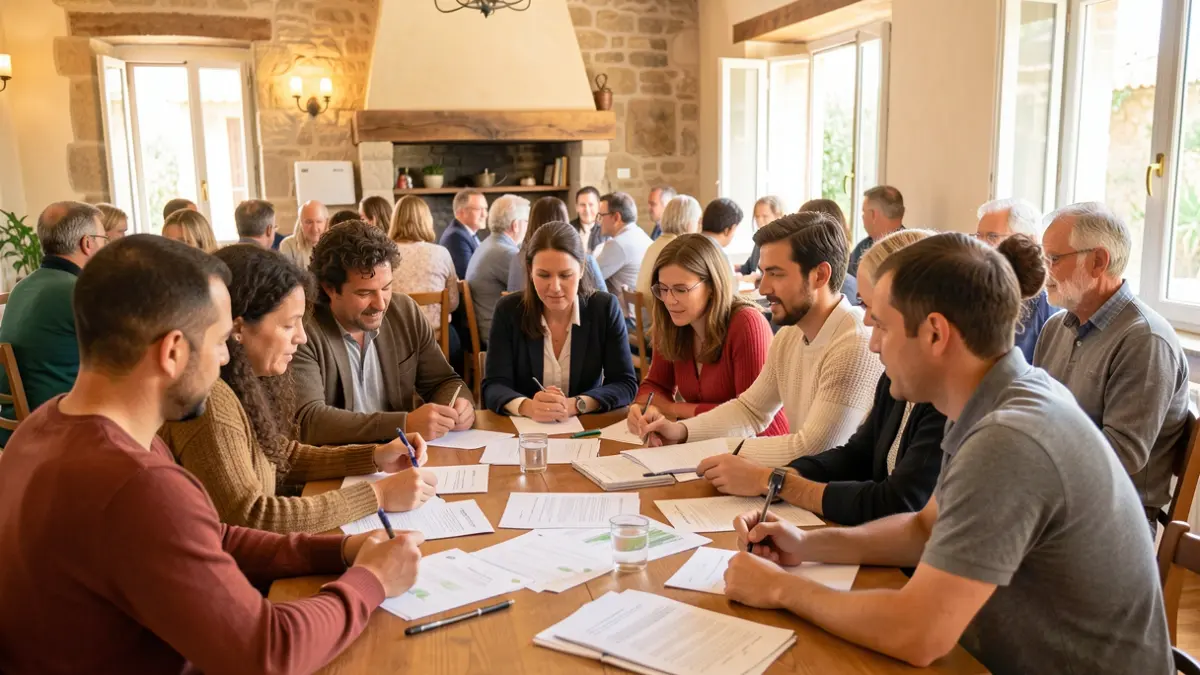
The manifesto warns of the danger of reverting to an "aggressive" aerodrome model, recalling past attempts to build an airport. Concern is raised about the potential loss of control and management powers by local institutions to the concessionaire, Aeroports de Catalunya SLU. The lack of transparency in the approval process for the new management model is criticized, citing the use of remote meetings and insufficient public participation and input from municipal representatives.
Furthermore, it is noted that large-scale aeronautical events have already been announced for this summer, which could exceed the original concept of the aerodrome and impact the region's environmental balance through carbonization and noise pollution. The signatories demand a public debate to ensure respectful enjoyment of the region's potential and request all necessary information before committing to "inappropriate and detrimental" agreements.
The text also addresses concerns about the "hyper-accelerated degradation" of territories due to centralized decisions, citing the example of data centers. According to a professor from the CSIC, the 26 projected data centers could consume 44% of Catalonia's electricity and 40 million liters of water daily. This plan, aimed at making Catalonia a hub for the digital economy, could jeopardize energy and water sustainability, with significant transformations expected in Baix Camp, Conca de Barberà, Montsià, Ribera d’Ebre, and Segrià.
Additionally, the plan includes a reversible hydroelectric power plant in Riba-roja d’Ebre and La Fatarella, as well as the Baells Reversible Hydroelectric Power Plant in Berguedà. Other regions like Empordà are also identified as key areas for the Territorial Sector Plan for Electricity Generation (PLATER). Regarding Alt Pirineu i Aran, criticism is directed at the idea of turning the mountains into a "permanent amusement park" with new infrastructure, artificial elements, and an increase in large-scale sporting events in vulnerable areas.