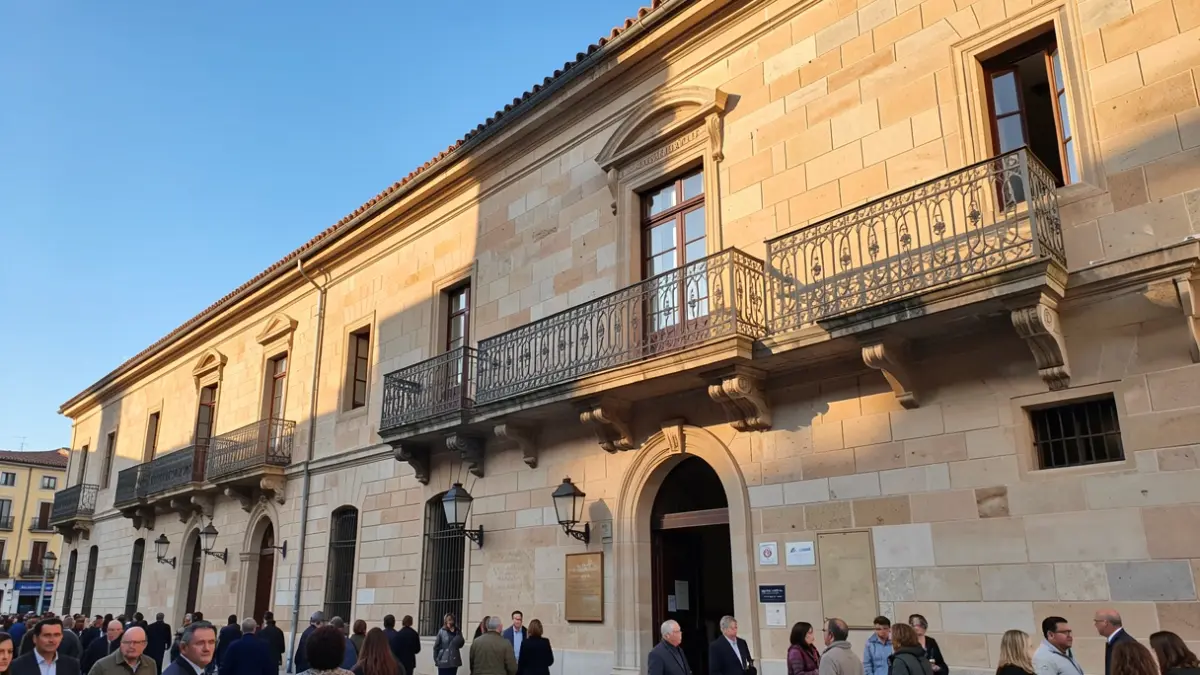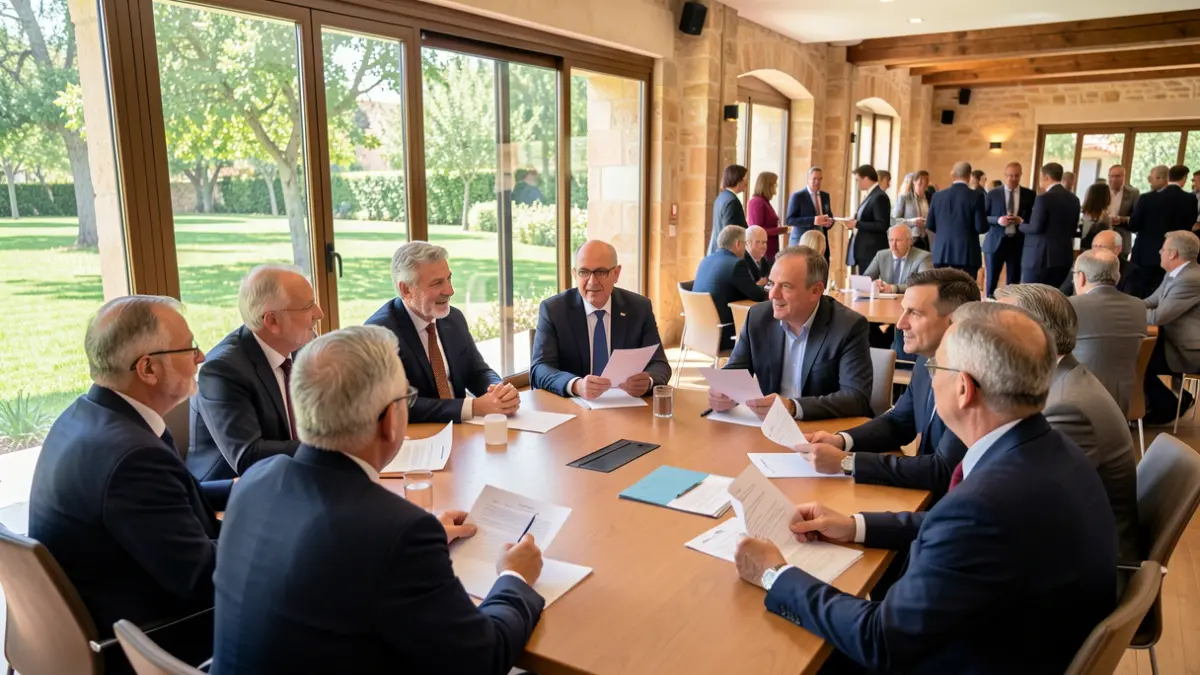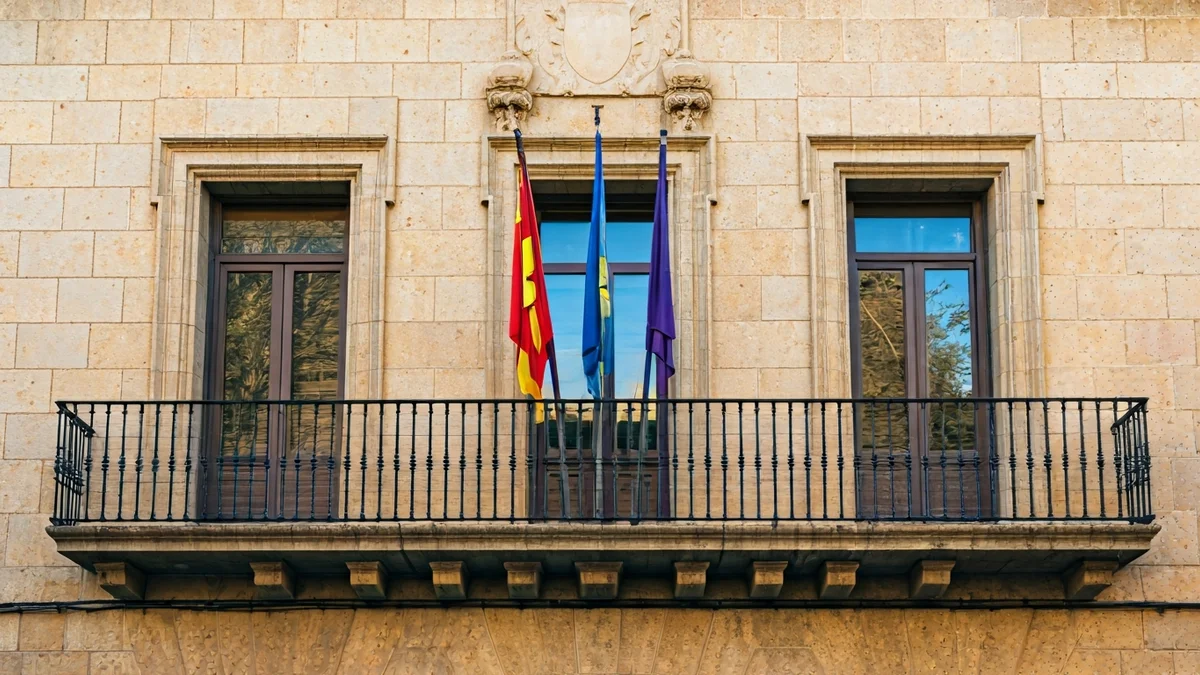
The resignation of one of the councilors from the municipal group Independents per Vilaverd, a formation linked to Esquerra Republicana de Catalunya (ERC) under the Acord Municipal (AM) brand, has opened the door to a significant change in the composition of the council. This vacancy has led to the entry of a new representative who does not maintain the profile of an independent linked to ERC, but is openly from Aliança Catalana.
The vacant seat in the plenary session has been filled by Albert Llurba, who was number five on the list linked to the republicans in the 2023 municipal elections. Llurba is currently the regional president of Aliança Catalana, an extreme-right party, and his incorporation has been confirmed by the party through its social media, highlighting its new institutional weight in Conca de Barberà.
With this change, the current governing team of Vilaverd, led by Mayor Magí Marimon, has lost the absolute majority it previously held. It has gone from four to three councilors, placing the local executive in a technical minority situation. This new municipal arithmetic leaves the government without total control over votes in the plenary, as the opposition now totals four councilors: the three representatives from the list linked to Junts per Catalunya and the new Aliança Catalana councilor, who will likely be designated as non-attached.
The loss of majority by the list linked to ERC opens a period of uncertainty in the governance of Vilaverd, where the new balance of power will determine the municipal government's ability to advance planned projects for the remainder of the term.