Before the Spanish Civil War (1936-1939), Josep Torres Clavé (1906-1939) was considered one of the great promises of Catalan architecture. At just thirty years old, his chair was exhibited at the Paris Republic Pavilion in 1937, sharing space with masterpieces such as Guernica by Picasso and The Reaper by Joan Miró.
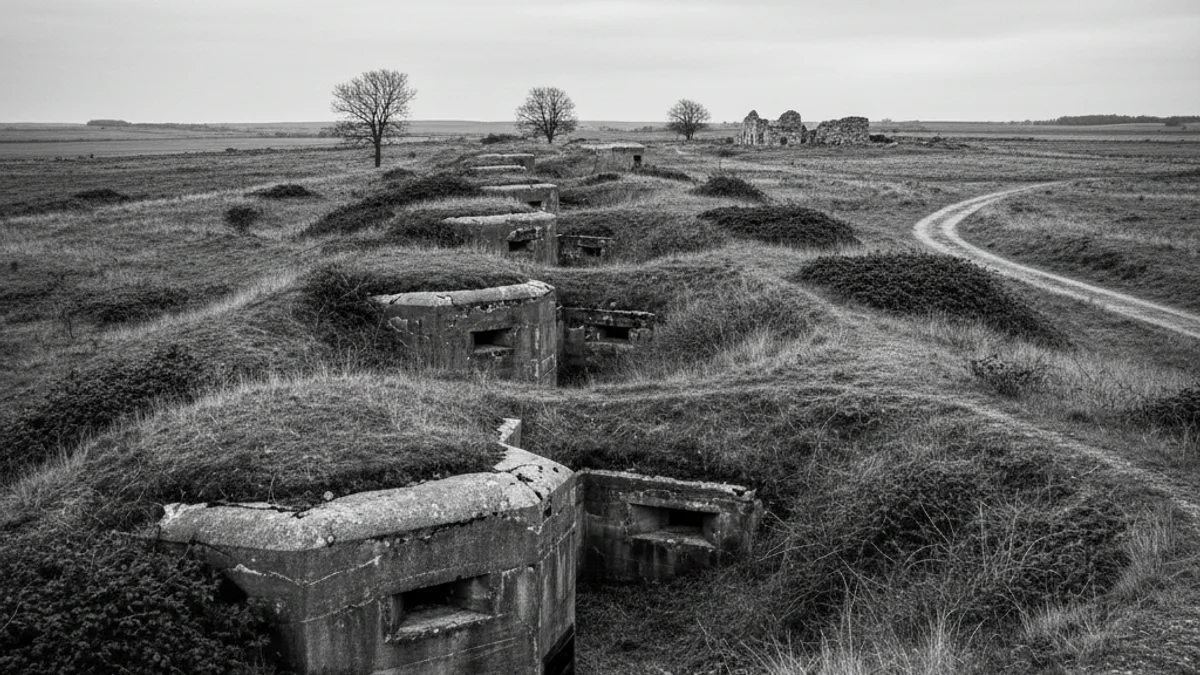
His career was tragically interrupted by the conflict. In the spring of 1938, he joined the Batallón de Obras y Fortificaciones and was assigned to the strategic fortifications of Hospitalet de l'Infant, where the Republican Army concentrated Base Túria No. 3 with 4,000 men under General Enrique Líster.
These details have been reconstructed thanks to handwritten correspondence studied by experts from COAC and AADIPA, and provided by the Doctor of Theory and History of Architecture, Melitó Camprubí. In one of the letters, the architect described small details of normality amidst the chaos of war:
They are very good people. In Vandellòs, they still have dances on Sundays, or one night, neighbors invited him to dinner: soup, chicken with salad, and champagne.
After his stay in Hospitalet, Torres Clavé worked on defensive line number 2, covering the retreat toward France. On January 12, 1939, while executing the demolition of a bridge between Sarral and Rocafort de Queralt, he was caught in a bombing raid by Italian Savoia SM-79 aircraft, costing him his life at only thirty-two years old. His chair, known as Torres Clavé, is now part of collections such as the Reina Sofía Museum.