Over the last decade, the Kurdish movement in Rojava, located between the Tigris and Euphrates rivers in Mesopotamia, has led the construction of an autonomous region that has become a model of coexistence for various ethnic groups. However, since the beginning of the year, the territory has been attacked by the Syrian army, led by the jihadist militia Hayat Tahrir al-Sham (a splinter group of Al-Qaeda), with economic and military backing from Recep Tayyip Erdoğan's Turkish government.
As the militias advance, detention centers for ISIS fighters, such as al-Hol and Raqqa, have been opened, leading to the escape of up to 33,500 jihadists. The consequences have been immediate, with the first executions and beheadings, demonstrating the usual cruelty of ISIS members.
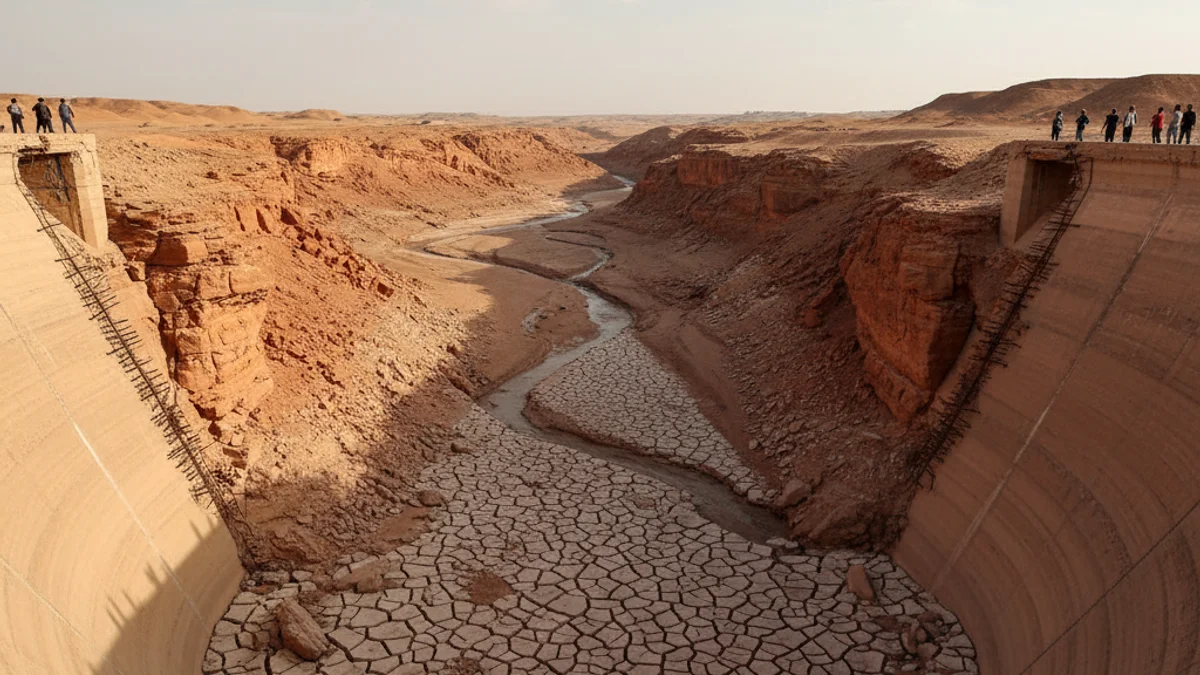
Turkey's role is crucial, not only militarily but also through the use of water as a weapon of power. Since the 1980s, under the Southeastern Anatolia Project, 22 dams have been built in Turkish Kurdistan (Bakur), causing the forced displacement of populations and the destruction of ancient cities like Hasankeyf, one of the oldest inhabited places in the world.
This control over the Tigris and Euphrates rivers has allowed Turkey to cause droughts and famine in downstream countries (Iraq and Syria). Notably, the Turkish government's strategy led to a reduction of up to 40% in the flow of the Euphrates River through Syria in 2024, destabilizing neighboring governments and increasing its regional power.
Rojava is an example of hope and political inspiration; in a totally hostile and violent context, it has managed to build an alternative of democracy, coexistence, peace, and freedom on the banks of the Tigris and Euphrates rivers.
Recently, the second Mesopotamia Water Forum met in Diyarbakır (Amed), in Turkish Kurdistan, with the participation of over three hundred people. Attendees denounced the overexploitation and commodification of water, and advocated for the defense of the rivers as a source of life and peace for their peoples, stressing the urgency of defending Rojava to prevent a new genocide.