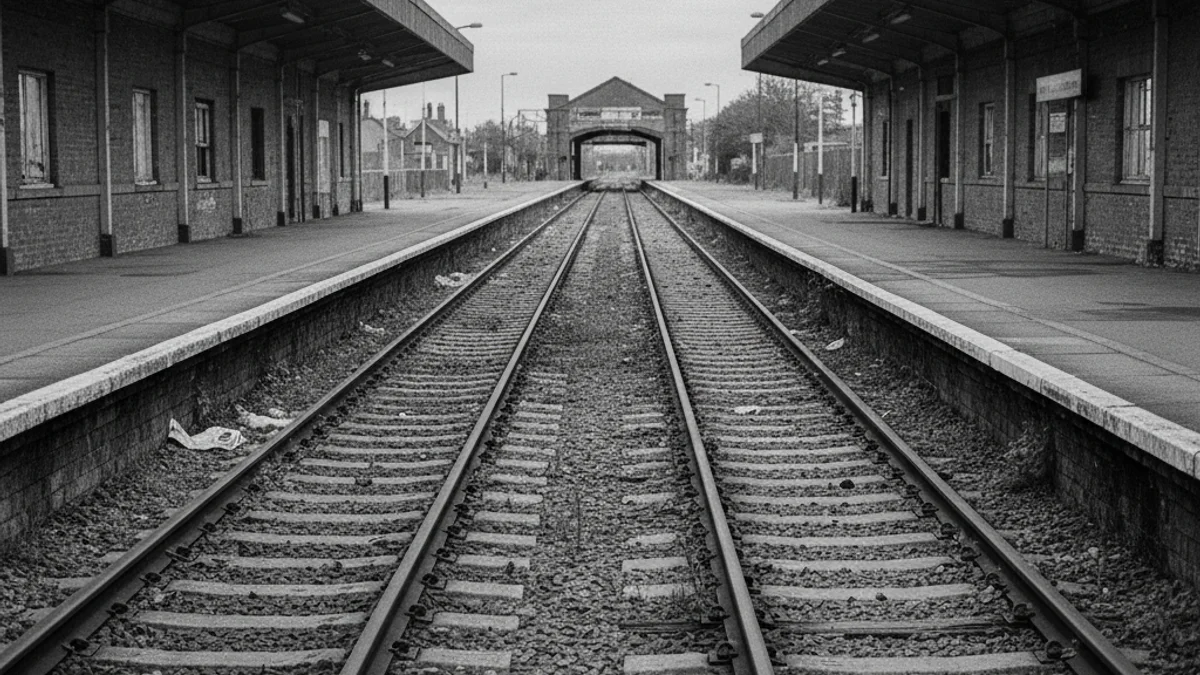
Popular wisdom recalls the small train of Olot, which “leaves when it wants and arrives when it can.” Today, the Rodalies network, dependent on Renfe and Adif, functions worse due to insufficient investment, creating a vicious cycle that disregards both current users and potential future passengers.
Other networks like FGC or the Barcelona metropolitan subway demonstrate that improvement is possible with local management. It is argued that an independent Catalonia would be much more sensitive to Rodalies' needs, as a government based in Barcelona would not tolerate citizen unrest as easily as the current government in Madrid.
Behind all the demands there is a point of conformism, a lack of ambition, in simply begging that we survive with what we have.
Beyond repairing constant breakdowns and delays, it is forgotten that the network has not only aged but degraded. A hundred years ago, the service was better, reaching towns like Caldes de Montbui, Palamós, Banyoles, or Olot. This lack of ambition is limited to asking that things do not get worse, overlooking the historical lines that have disappeared.
Current constraints should not prevent discussion of the future: recovering historical lines, completing the electrification and doubling of tracks, such as the entire Puigcerdà line, or considering new routes, like extending the Pyrenean lines to La Seu and Andorra. It is also necessary to execute already planned projects, such as the famous orbital line (connecting Vilanova to Mataró via Terrassa, Sabadell, and Granollers) or the railway Transversal Axis.