This type of tourist accommodation, which accounts for one in three overnight stays in Catalonia, experienced a 10% growth between 2023 and 2025. The region concentrates 38% of all camping overnight stays in Spain, surpassing the Valencian Community and Andalusia, according to a report by The Open Air Property Telescope.
De-seasonalization is one of the keys to this success, with 70% of campsites already open for Easter and a commitment to offering activities throughout the year. This strategy has attracted a new client profile: the European senior, who makes longer stays during off-peak seasons.
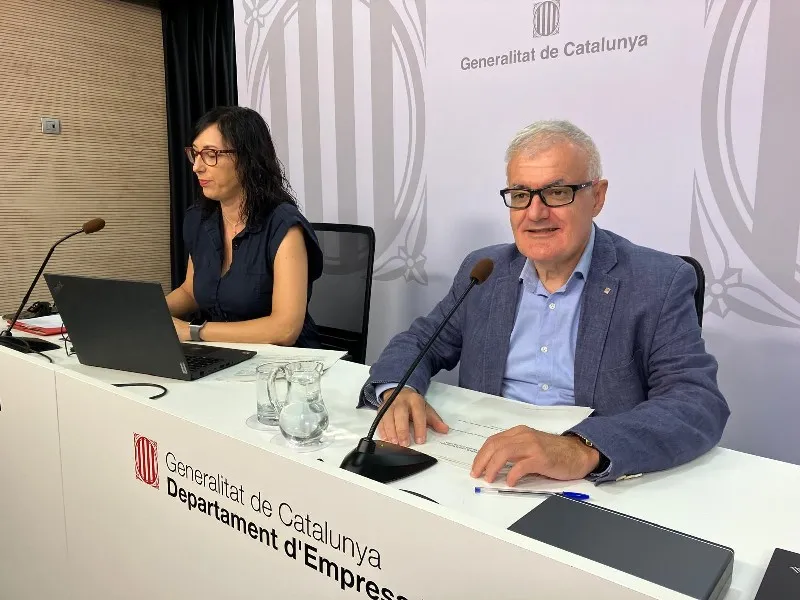
“"It is no longer a space where you can pitch a tent or park a caravan. It is a place to live experiences in a space full of services amidst a natural environment."
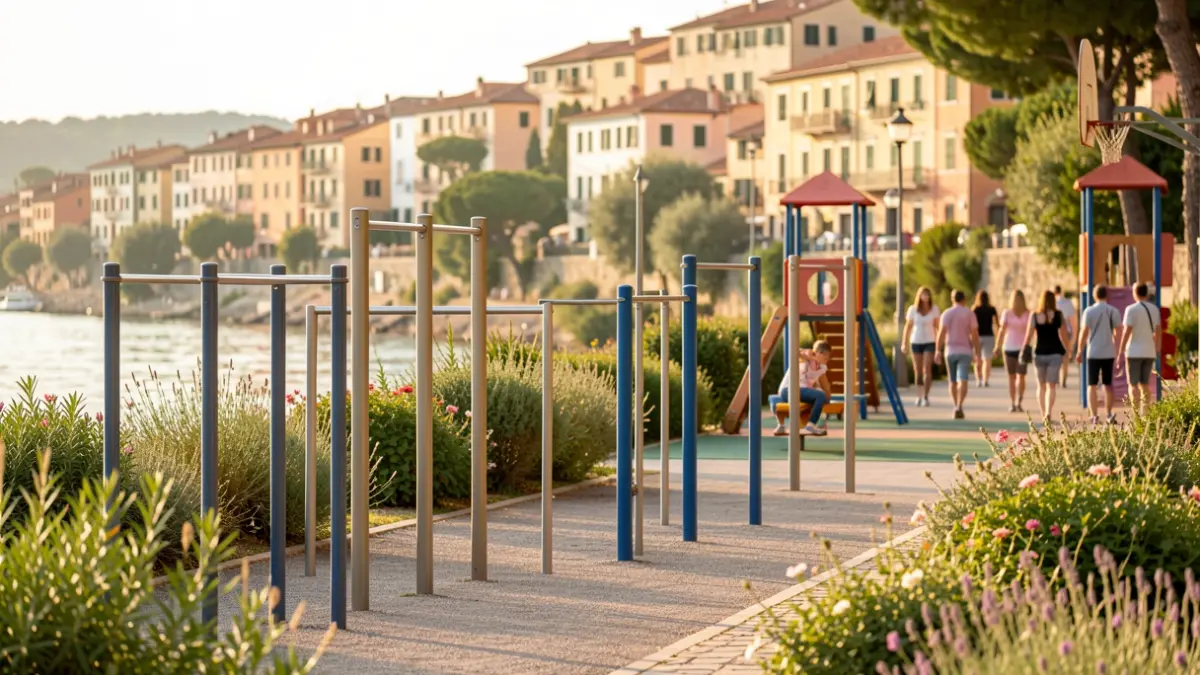
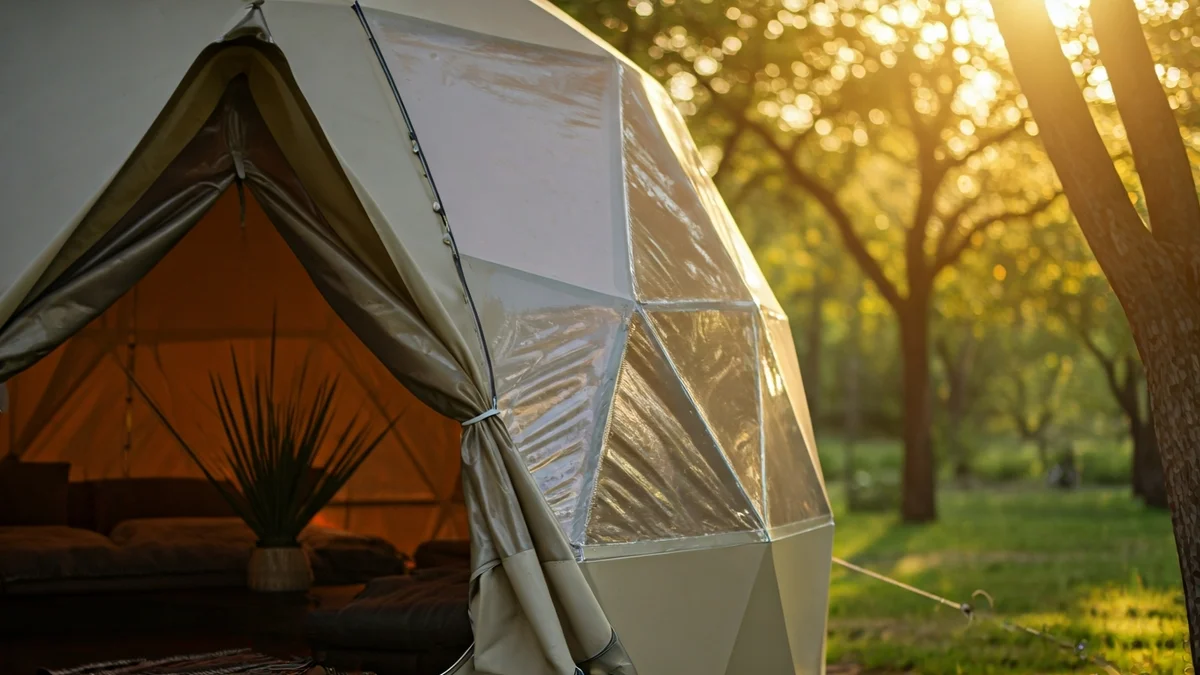
The sector's transformation is also reflected in the evolution of establishments, such as Interpals Eco Resort, one of Catalonia's oldest campsites, which has been converted into an eco-resort with a wide range of accommodations, from basic pitches to glamping tents equipped with all amenities.
With an annual turnover of 2.5 billion euros and 16,000 jobs, Catalan campsites represent 49.6% of the community's accommodation places. These figures have attracted the interest of international investment funds, which see great potential in a sector with 88% family-owned campsites open to professionalization.
“"We demand more facilities from administrations and streamlined procedures to remain competitive."
Despite the positive momentum, the sector faces a stagnation in its offering. Urban planning and regulatory obstacles make it difficult to open new establishments or expand existing ones, a challenge that the Catalan Federation of Campsites urges administrations to address to maintain competitiveness and future growth based on sustainability, de-seasonalization, and digitalization.