The plan, which has a six-year horizon, includes towns such as Salt, Sarrià de Ter, and Vilablareix. This strategic document aims to manage the mobility needs of an urban area that has seen its population grow by 45.4% since the year 2000, reaching a total of 164,847 residents.
“"The most remarkable news is that all these municipal bodies have agreed on actions beyond their borders to help mobility and intermodality."
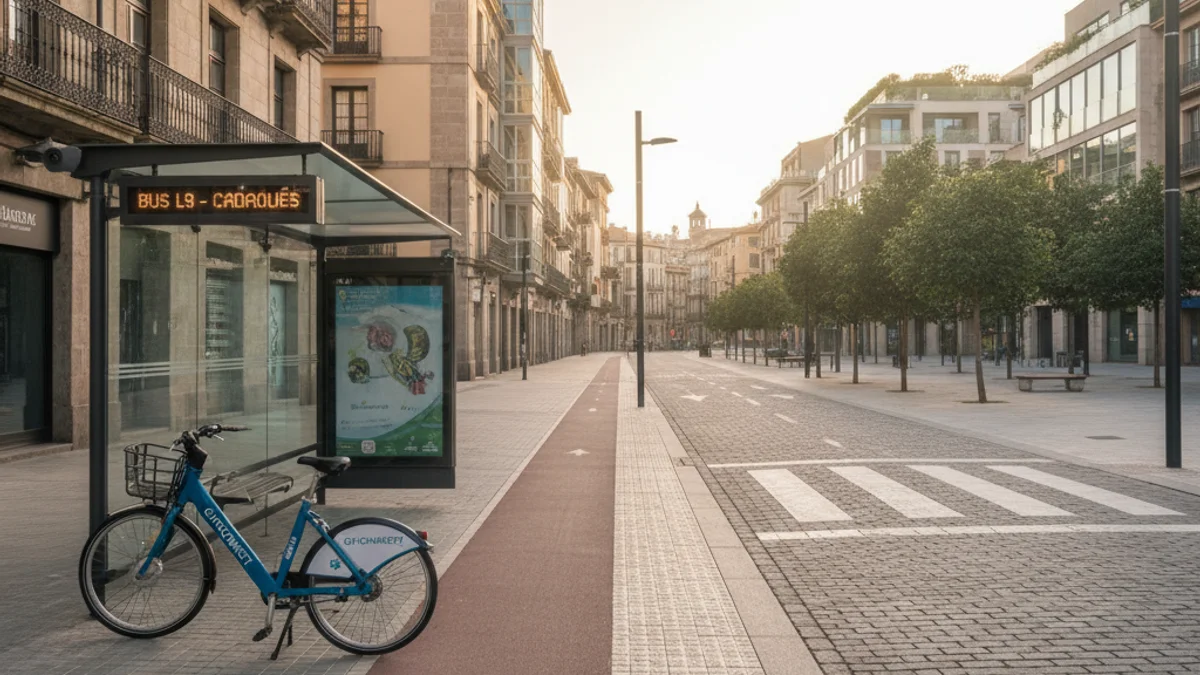
The technical study, costing over 195,000 euros, emphasizes the need for better integration between buses, cycling, and pedestrian routes. While the current plan focuses on 11 municipalities, experts from the University of Girona (UdG) suggest the functional urban area could eventually encompass up to 26 towns.